
Pigeon flea
Ceratophyllus columbae
Description
How to identify
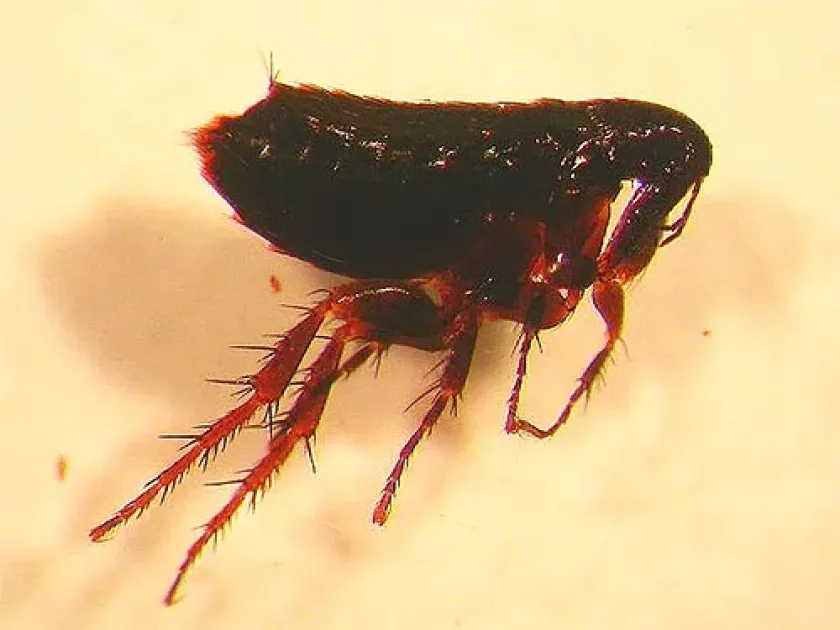
The pigeon flea (Ceratophyllus columbae) is a species of wingless parasitic insect belonging to the order Siphonaptera and the family Ceratophyllidae.
Adult fleas are laterally flattened, brown-colored insects, measuring approximately 2–3 mm in length, designed for easy movement through feathers.
They possess powerful hind legs adapted for jumping, allowing them to move rapidly between host birds and nesting materials.
The mouthparts are specialized for piercing the skin and consuming the blood of birds, which is their exclusive food source.
Larvae develop in the nest environment, feeding on organic debris, skin scales, and dried blood found within the nesting material.
What it damages
Infestation by Ceratophyllus columbae causes severe irritation and restlessness, leading to constant scratching and plumage damage in birds.
Chronic blood loss from flea bites often leads to anemia, especially in squabs (young pigeons), which can hinder their growth and survival rates.
The constant biting creates skin lesions that can become infected, leading to dermatitis and secondary bacterial skin conditions.
Fleas serve as vectors for various pathogens, potentially transmitting bacterial and viral diseases throughout the entire pigeon loft.
A significant flea population significantly reduces the overall health and productivity of the flock, requiring intensive veterinary intervention.
When it appears
The life cycle of the pigeon flea is highly synchronized with the nesting activities of the host birds, providing them with a steady food supply.
Fleas are most active during the spring and summer months when warm temperatures accelerate the transition from larvae to adult stage.
Adult fleas can survive for long periods in empty nests, waiting for returning birds to resume the breeding season.
Humidity plays a critical role in the development cycle; damp and dirty nests provide the perfect microclimate for larval proliferation.
While activity peaks during the breeding season, fleas can persist throughout the year if the loft environment remains warm and unsanitary.
Signs of infestation
Key indicators include increased preening behavior, restlessness, and birds constantly pecking at their own wings or chest.
Small black particles found in the nesting material, which represent flea excrement, serve as a clear sign of an established infestation.
Physical inspection of the birds often reveals fleas concentrated around the head, neck, and under the wings where skin is most accessible.
Significant hair loss or bare patches on the bird's body resulting from excessive pecking and skin irritation are common diagnostic signs.
An unpleasant sensation of biting when humans clean or handle materials inside the pigeon loft is a strong indicator of high flea density.
Control measures
The primary control measure is regular sanitation, which includes removing and destroying all contaminated nesting materials and deep-cleaning the loft.
Application of authorized veterinary insecticides, such as powders or aerosols, directly to the birds and their living environment is necessary.
Sealing cracks and crevices in the coop structure helps to eliminate hiding spots for flea larvae and pupae during the off-season.
Preventing wild birds from entering the coop is crucial, as they are common carriers that introduce fleas into the clean environment.
Consistent monitoring and early detection during the start of the breeding season can prevent an infestation from becoming unmanageable.
Taxonomy
- Latin name
- Ceratophyllus columbae
- Family
- Ceratophyllidae
- EPPO code
- CERHCO
Discussion
No discussions yet — be the first.