
Cephalobus
Cephalobus persegnis
Description
How to identify
Cephalobus persegnis is a species of soil nematode belonging to the Cephalobidae family, widely distributed in agricultural soils globally.
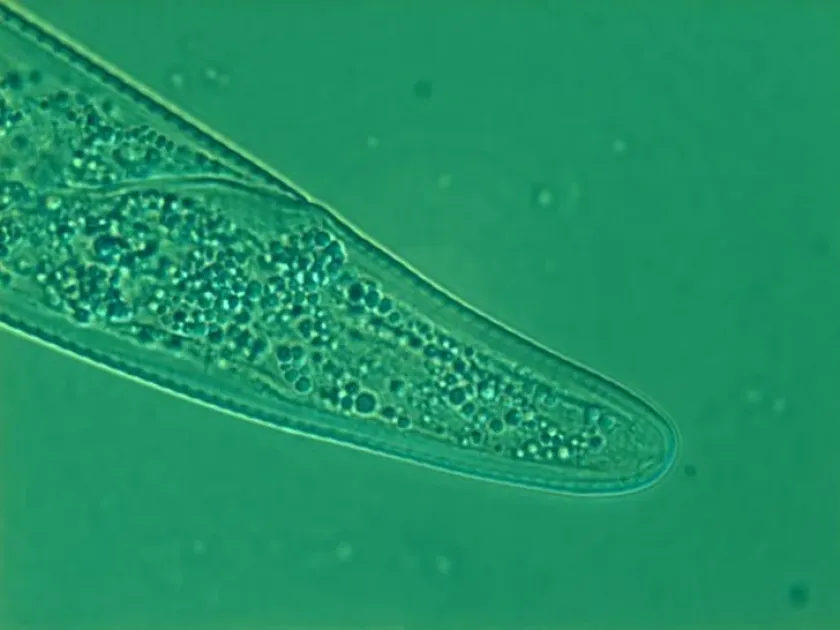
The adult worms are typically small, characterized by a robust body structure with a distinctively striated cuticle visible under low magnification.
As a bacterivore, it primarily feeds on soil microbes, but it is known to become a facultative parasite that can invade plant tissues under favorable conditions.
This species is well-adapted to surviving harsh environmental conditions through anhydrobiosis, allowing it to remain dormant during periods of drought.
Population density often spikes in soils rich in decomposing organic matter, which provides the necessary nutrients for rapid nematode reproduction.
What it damages
The nematode primarily attacks root systems and the basal parts of vegetables, including carrots, potatoes, and various leafy greens.
Direct damage occurs when nematodes penetrate the root tissues, creating entry points for secondary pathogens like soft-rot bacteria and fungi.
This process results in reduced nutrient uptake, overall plant stunting, and can lead to the complete death of the seedling stage.
Field studies indicate that heavy infestations lead to significant losses in marketable yield and poor post-harvest storage quality.
Damage is most severe in greenhouse environments where consistent moisture and high soil temperatures promote continuous nematode generations.
Signs of infestation
Symptoms often start with stunted growth and chlorosis of the foliage, suggesting an underlying nutritional deficiency that does not respond to fertilization.
The plants exhibit wilting, which is particularly evident during the peak of the day when transpiration demands are high.
Root systems may appear discolored, displaying patches of necrotic lesions or soft, mushy tissue caused by localized decay.
In mature crops, such as root vegetables, internal browning and tissue breakdown inside the root are common indicators of nematode activity.
Uneven crop stands and patches of failing plants across the field are classic field-level signs of an established nematode infestation.
Control measures
Integrated Pest Management (IPM) strategies for Cephalobus persegnis start with strict sanitation protocols for soil and propagation materials.
Implementing long-term crop rotation schemes helps break the nematode life cycle by changing the host plant environment regularly.
Proper soil management, including adequate drainage and avoiding the application of partially decomposed manure, significantly lowers population levels.
Biological control agents, such as nematode-trapping fungi or certain beneficial bacteria, are increasingly being used as eco-friendly alternatives to chemicals.
When chemical intervention is required, ensure the use of appropriate soil fumigants or nematicides, strictly following all safety and label instructions.
Taxonomy
- Latin name
- Cephalobus persegnis
- Order
- Nematodes
- Family
- Cephalobidae
- EPPO code
- CEPBPE
Discussion
No discussions yet — be the first.