
Acrobeloides
Acrobeloides
Description
How to identify
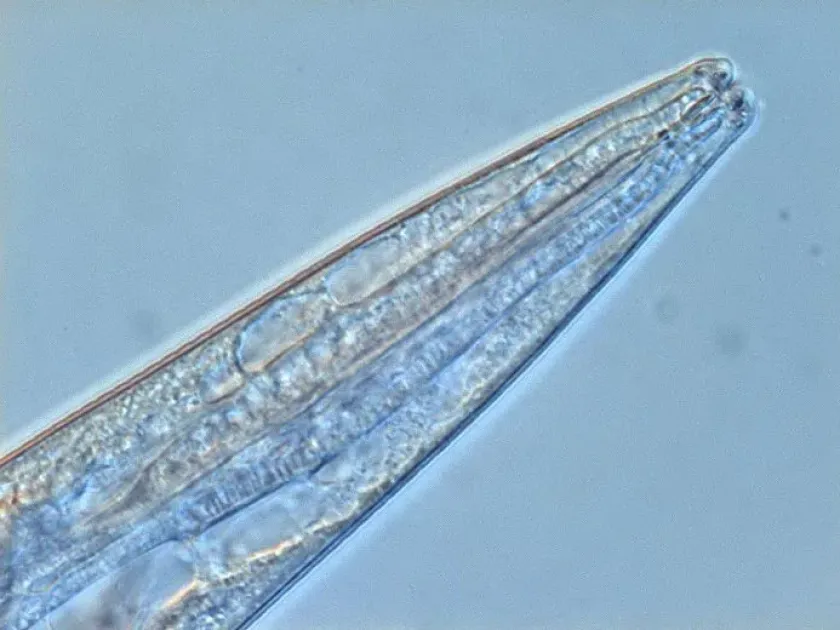
Acrobeloides is a genus of soil-dwelling nematodes belonging to the order Rhabditida and the family Cephalobidae. These microscopic worms are characterized by a specific head capsule and a developed esophagus adapted for feeding on bacteria and organic matter.
The biology of these organisms is closely tied to the state of the soil environment, where they lead an active life. They are capable of rapid reproduction when sufficient moisture and a rich organic substrate are present in the plant root zone.
The life cycle of Acrobeloides occurs entirely within the soil, involving several larval developmental stages. Due to high adaptability, members of this genus can survive unfavorable conditions by entering a state of anabiosis.
Identification of these pests in field conditions is difficult due to their microscopic size. Accurate species determination requires laboratory analysis of soil samples using specialized microscopy techniques.
Acrobeloides are frequently found in agroecosystems with high levels of undecomposed plant residues, making them indicators of soil health and the microbial composition of the substrate.
What it damages
The primary damage involves injury to the root system tissues of agricultural crops. Vegetable crops such as potatoes, carrots, and onions, as well as young fruit tree seedlings, are particularly vulnerable.
The pathogenicity manifests as nematodes penetrate damaged root areas, facilitating the development of secondary bacterial and fungal infections. This leads to the decay of the root system and systemic weakening of the plant.
Damage includes necrosis of small rootlets, impairment of nutrient uptake capacity, and stunted growth. Plants become more susceptible to environmental stressors, including drought and nutrient deficiencies.
In fields with high population density, there is a decrease in crop market quality, especially in root vegetables. Deformations and the presence of necrotic spots significantly reduce the commercial value of the produce.
It is important to note that the scale of damage directly depends on the soil infestation density, which is often exacerbated by the lack of crop rotation and excessive application of non-fermented organic fertilizers.
Signs of infestation
Visual signs of infestation include noticeable stunted plant growth and yellowing of the lower leaves during the early vegetative phases. Premature wilting of crops during daylight hours is also frequently observed.
Inspection of the root system reveals areas of darkening or browning. In cases of severe infestation, the root may lose its fine suction rootlets entirely, leading to a bare appearance of the root architecture.
On potatoes and carrots, damage may manifest as microscopic ulcers on the surface that expand over time, attracting secondary microflora. This leads to the development of rot spots during the maturation stage.
In fields, infestation signs often appear in patches. Plants in the center of these spots appear most suppressed, gradually dying off or producing very low yields with poor quality.
A definitive confirmation of the pest presence can only be achieved through helminthological analysis of soil and affected root tissues in professional agronomic laboratories.
Control measures
A key control method is the adherence to strict crop rotation to prevent the accumulation of specific pest species in the soil. It is recommended to alternate with crops that are non-host plants for these nematodes.
The use of cover crops or green manure, such as white mustard or phacelia, helps reduce nematode populations in the soil due to the release of phytocides. This agronomic practice is an effective way to improve soil health.
An essential aspect of protection is quality soil cultivation and the removal of plant residues after harvest. Roots left in the soil serve as the primary reservoir for the reproduction and overwintering of the pests.
In cases of high-level infestation, specialized nematicides registered for agricultural use may be applied. Application must strictly follow the label instructions, particularly regarding pre-harvest intervals.
- Regular application of high-quality compost.
- Monitoring and management of soil moisture levels.
- Utilization of certified healthy planting material.
- Soil analysis prior to planting susceptible crops.
Taxonomy
- Latin name
- Acrobeloides
- Order
- Nematodes
- Family
- Cephalobidae
- EPPO code
- ACRDSP
Discussion
No discussions yet — be the first.