
Cephalobus
Cephalobus
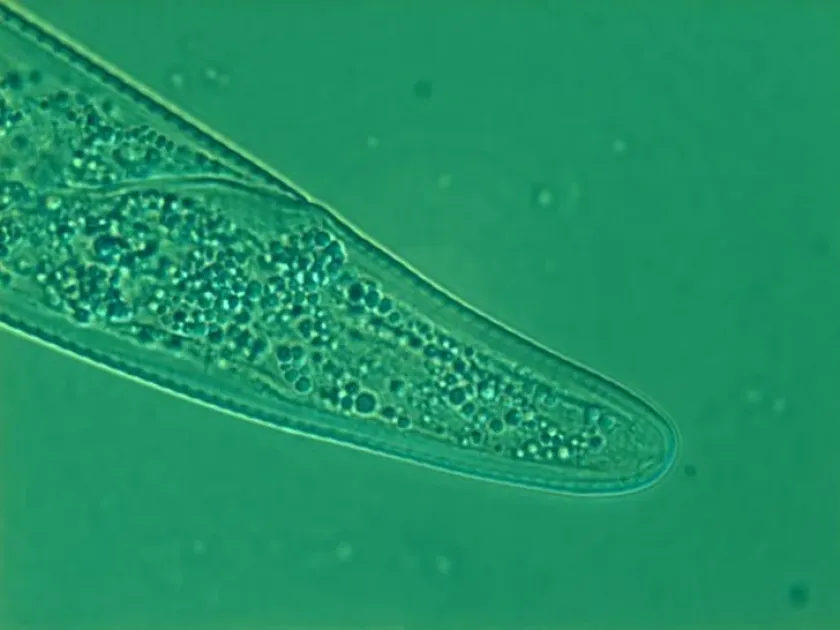
Description
How to identify
Cephalobus is a genus of soil-dwelling nematodes belonging to the order Rhabditida and the family Cephalobidae. These microscopic worms are primarily bacterivorous, feeding on soil bacteria and organic matter.
The morphology of these organisms typically features a slender body, roughly 0.5–1.0 mm in length, with distinct lip structures. They are adapted to thrive in moist soil environments rich in decaying organic components.
The biological cycle of Cephalobus involves several developmental stages, including larval molts. Their survival strategy often includes the ability to enter states of reduced metabolic activity when environmental conditions become unfavorable.
Reproduction rates are highly dependent on soil temperature and the availability of nutrient-rich organic substrates, which can lead to rapid population spikes in specific soil conditions.
Identification at the species level is complex and requires specialized microscopic examination of the buccal cavity and reproductive structures by a trained nematologist.
What it damages
Cephalobus nematodes can affect a wide range of crops, including potatoes, sugar beets, and various cereals. Their potential for damage is highest when they interact with the root systems of young, vulnerable plants.
The damage caused by these nematodes is often indirect; they graze on root tissues and create entry wounds, facilitating the invasion of secondary bacterial and fungal pathogens.
High populations of Cephalobus can lead to thin crop stands and poor early-season vigor, as damaged seedlings struggle to develop a functional root system under pathogenic pressure.
Infected plants frequently exhibit symptoms such as leaf chlorosis, stunted growth, and a reduced capacity for nutrient and water uptake due to severe root hair damage.
Economic losses arise from both decreased yield and lower quality of harvested products, particularly in root crops that show signs of lesions and decay caused by nematode-associated pathogens.
Signs of infestation
Key indicators of an infestation include patchy crop development and localized areas where plants appear significantly smaller or weaker than those in the rest of the field.
Field diagnostics often reveal necrotic or darkened root sections, which are typically colonized by secondary microbial infections that flourish in the wounds made by the nematodes.
Seedling blight and failure to establish are common in fields with high nematode pressure, often appearing as missing gaps within the crop rows after germination.
Stunted foliage and a general lack of color in the leaves are classic signs of root stress, which becomes more pronounced during periods of environmental or moisture-related stress.
Root deformations and surface scarring on harvested produce can provide visual evidence of past nematode feeding activities during the growing season.
Control measures
Crop rotation is the most effective cultural practice for managing nematode populations. Rotating non-host crops helps deplete the food sources necessary for nematode proliferation.
Good soil management, including adequate drainage and the use of well-composted organic matter rather than fresh manure, can limit the rapid buildup of nematode populations.
Deep plowing and efficient weed control are essential, as many weed species serve as alternative hosts for soil-borne nematodes during the off-season.
Selecting robust, resilient crop varieties and optimizing planting density can help minimize the overall impact of nematode-related damage on field performance.
Chemical intervention via nematicides should be considered only as a last resort, following rigorous soil sampling to determine whether the population density justifies the treatment costs.
Taxonomy
- Latin name
- Cephalobus
- Order
- Nematodes
- Family
- Cephalobidae
- EPPO code
- CEPBSP
Discussion
No discussions yet — be the first.