
Pine weevil (Cembrotia)
Cembrotia
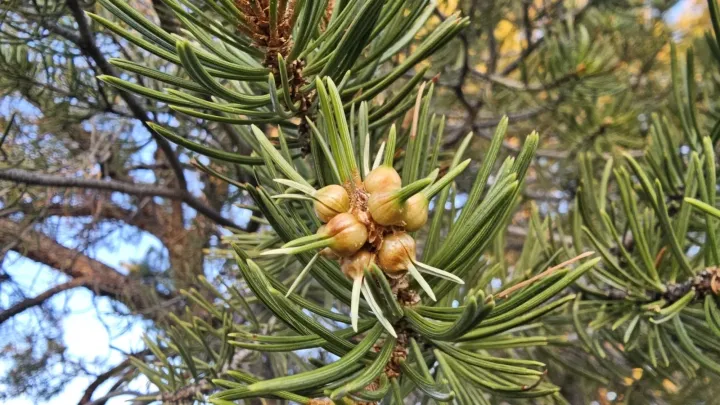
Description
How to identify
The pine weevil, scientifically known as Pissodes pini, is a member of the Curculionidae family. It is a snout beetle that primarily attacks coniferous trees, causing significant stress to forest stands and ornamental plantings alike.
Adult beetles are typically 6–9 mm long with an elongated, oval-shaped body. Their color ranges from dark brown to reddish-brown, and they are easily identified by the presence of four distinct pale spots on their wing covers, usually arranged in two irregular transverse bands.
The most recognizable feature of this species is its long, slender snout, which is curved downward. This specialized appendage allows the insect to drill deep into the bark of host trees to access nutrient-rich inner bark for feeding and egg-laying purposes.
The larvae are legless, white grubs with a brown-tinted head. They live exclusively beneath the bark, where they construct serpentine tunnels. These tunnels effectively girdle the tree, interrupting the flow of nutrients and moisture through the phloem and cambium layers.
Upon reaching maturity, the larvae build pupal chambers, often referred to as "cradles," located within the sapwood or the inner bark. These chambers are filled with tightly packed wood fibers, which is a key diagnostic indicator for foresters and gardeners when inspecting trees.
What it damages
The pine weevil primarily targets species within the Pinaceae family, such as pines, cedars, and spruces. While they can attack healthy trees, they show a strong preference for trees weakened by drought, poor soil conditions, or recent mechanical damage.
The damage caused by larvae is severe because it occurs in the conductive layers of the trunk. By feeding in the cambium, larvae disrupt the tree's vascular system, which can lead to the gradual decline and eventual death of the infested tree.
Adult beetles contribute to the damage by feeding on the bark of young shoots. These feeding wounds are small but numerous, serving as entry points for pathogens and causing the flow of resin, which can be seen dripping down the bark in streaks.
Trees heavily infested by this pest experience stunted growth, yellowing of the needles, and dieback of branches. If the main stem is girdled by multiple larval galleries, the entire tree may dry out and die within a single growing season.
Secondary pests, such as bark beetles and wood-boring insects, often colonize trees already weakened by the pine weevil. This interaction creates a complex cycle of decline, making the initial detection and management of the pine weevil critical.
When it appears
The seasonal activity of the pine weevil typically begins in early spring, as temperatures rise consistently above 10–12 degrees Celsius. Overwintering adults emerge from their hiding spots to commence feeding and preparation for the mating season.
Peak flight and egg-laying activities usually occur between May and June. During this window, females search for suitable host trees, where they create small pits in the bark to deposit their eggs, ensuring the larvae have immediate access to food upon hatching.
The larval stage lasts throughout the summer months, with the duration being heavily dependent on environmental temperature and host tree condition. In favorable conditions, the larvae grow rapidly, further damaging the host's conductive tissues.
Pupation occurs in late summer or early autumn within the protective cradles. New adult beetles emerge shortly after, often spending the colder winter months in a state of diapause either under the bark of the host or within the soil at the base of the tree.
Monitoring efforts should be intensified during the spring months. Early detection during the adult emergence phase allows for the implementation of preventative measures, which are much more effective than trying to manage an established population.
Signs of infestation
One of the first signs of an infestation is the presence of resin flow on the trunk surface. These resin droplets, which later solidify into streaks, are caused by beetles piercing the bark to feed or lay eggs, indicating that the tree is under attack.
Visible boreholes or small entry points on the bark are another indicator. If these holes are found in combination with resin, it is a clear sign that the tree has been actively colonized by the pests and requires immediate inspection.
A change in foliage color, moving from healthy green to dull yellow and eventually brown, suggests that the tree's vascular system is failing. This indicates that larval galleries have likely ringed the stem, preventing water and nutrients from reaching the crown.
Upon closer examination, removing a small piece of loose bark may reveal the signature serpentine tunnels filled with "frass" (wood powder and waste). This is definitive evidence that the tree is currently supporting a larval population.
Increased woodpecker activity on coniferous trees can serve as a biological indicator. Woodpeckers are often attracted to infested trees to feed on the larvae beneath the bark, leaving behind characteristic gouges and holes in the tree's exterior.
Control measures
The primary management strategy for the pine weevil is forest sanitation. Removing and destroying infested or heavily stressed trees prevents the population from exploding and spreading to surrounding healthy trees in the area.
- Prompt removal of dead or dying trees to destroy larval habitats.
- Deployment of trap trees in spring to attract and kill adult weevils.
- Targeted application of insecticides during the peak adult flight period.
- Enhancing tree vigor through proper irrigation and soil management.
When chemical control is necessary, it must be applied during the periods of maximum beetle activity. Systemic and contact insecticides are generally used, but they must be selected carefully to comply with local environmental regulations and integrated pest management plans.
Biological control, such as encouraging natural predators, is a sustainable approach. Protecting and providing nesting sites for insectivorous birds can lead to a natural reduction in weevil populations without the need for intensive chemical intervention.
Good silvicultural practices are essential. Avoid leaving slash, fresh logs, or thinning debris in the forest during the spring and summer months, as this material provides an ideal breeding ground for the pine weevil to colonize new areas.
Taxonomy
- Latin name
- Cembrotia
- Order
- Diptera (flies)
- Family
- Cecidomyiidae
- EPPO code
- CEMBSP
Discussion
No discussions yet — be the first.