
Cebrio
Cebrio
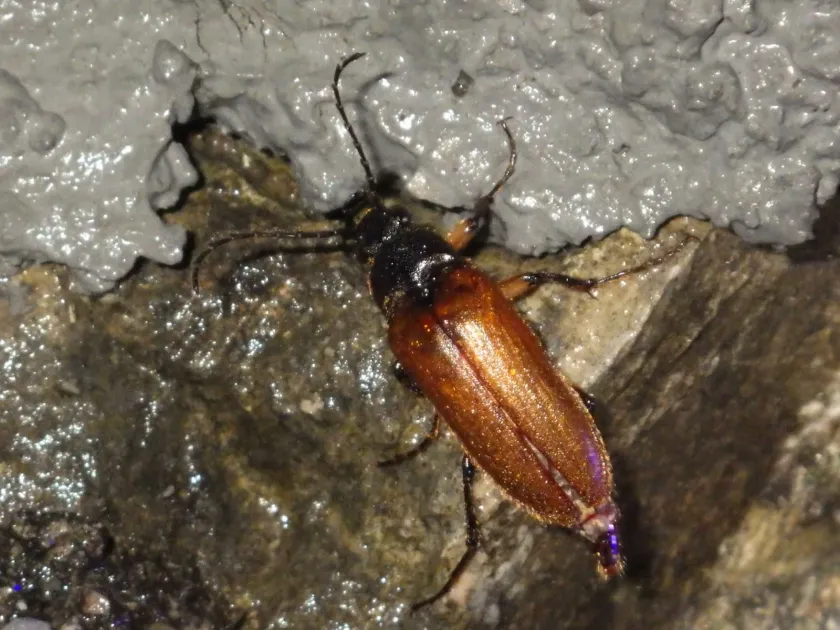
Description
How to identify
Beetles of the genus Cebrio belong to the family Cebriidae, which is closely related to click beetles (Elateridae). The adults have a distinct elongated body shape.
Males are easily recognizable by their well-developed, comb-like antennae, which they use to locate females. They are often active during twilight or at night.
Larvae of Cebrio species have an elongated, hardened body, similar to wireworms. They possess strong mandibles adapted for burrowing through the soil and feeding on plant roots.
These insects are well-adapted to life within the soil profile, moving vertically in response to temperature and moisture fluctuations throughout the year.
Proper identification of the genus relies on morphological examination of the adult genitalia, as many species within the family appear very similar to the naked eye.
What it damages
Cebrio larvae are destructive soil pests that feed on the subterranean parts of various agricultural and wild plant species, causing significant economic damage.
Crops such as cereals, maize, sunflowers, and various vegetable crops are highly susceptible to larval feeding, especially in their early stages of growth.
Feeding damage to the root system restricts water and nutrient uptake, leading to stunted growth, yellowing, and sudden wilting of the affected plants.
In cases of severe infestation, the larvae can completely destroy the primary root, causing the plant to collapse and die, resulting in sparse or patchy stands.
The damage caused by these larvae can also facilitate the entry of soil-borne pathogens, leading to secondary rot and further compromising plant health.
When it appears
The life cycle of Cebrio is typically long-term, spanning several years, with the majority of the time spent in the larval stage within the soil.
Larval activity in the root zone usually peaks during the spring when soil temperatures rise, coinciding with the germination and early growth of crops.
Adult emergence typically occurs during the summer months, often triggered by specific environmental cues like heavy rainfall following a dry spell.
During winter, the larvae descend deeper into the soil profile to avoid freezing temperatures, remaining relatively dormant until the following spring.
The total duration of the generation can vary significantly based on the local climate and soil conditions in the region where they occur.
Signs of infestation
One of the most noticeable signs of a Cebrio infestation is the occurrence of uneven plant growth and the appearance of dead patches in the field.
Plants affected by the pest often show signs of nutrient deficiency, such as leaf chlorosis, despite adequate fertilization, due to the compromised root system.
An easy diagnostic sign is the ease with which damaged plants can be pulled out of the soil, as their root anchors have been severed by the larvae.
Direct inspection of the soil around the base of affected plants often reveals the presence of the larvae or their characteristic feeding tunnels.
Monitoring fields for these signs early in the season is crucial for determining the level of infestation and implementing necessary control measures.
Control measures
Management of Cebrio requires an integrated approach that focuses on both preventive measures and direct intervention to reduce the pest population.
Deep autumn plowing is a highly recommended agricultural practice that exposes larvae to the surface, where they become susceptible to predation and environmental stress.
Effective crop rotation, avoiding susceptible hosts in the same field for consecutive seasons, can help disrupt the life cycle of the pest.
Seed treatment with systemic insecticides is considered the most reliable method for protecting young seedlings from early-season larval damage.
- Application of soil-incorporated insecticides at planting.
- Weed management to eliminate alternative food sources for larvae.
- Setting up monitoring traps to track adult beetle emergence.
Taxonomy
- Latin name
- Cebrio
- Order
- Coleoptera (beetles)
- Family
- Cebrionidae
- EPPO code
- CEBRSP
Discussion
No discussions yet — be the first.