
Convolvulus moth
Bedellia somnulentella
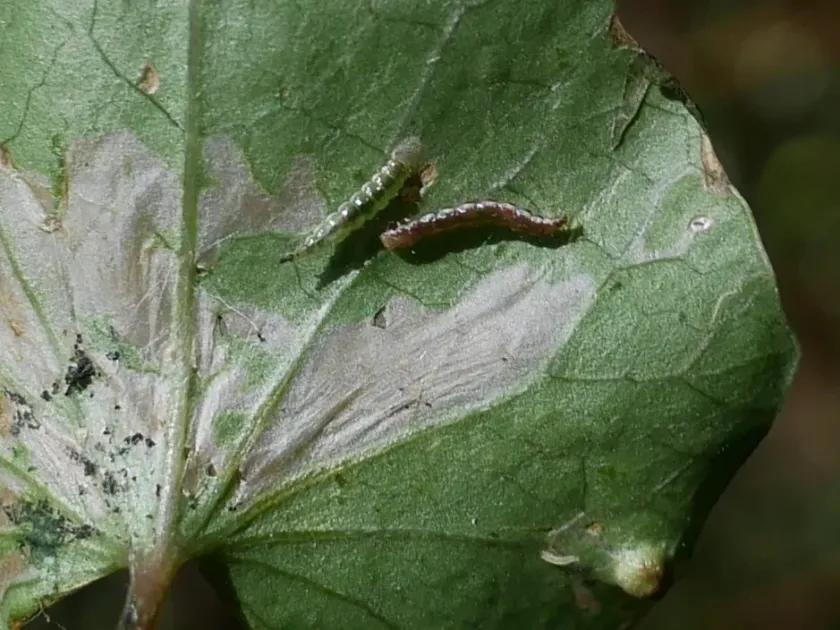
Description
How to identify
The convolvulus moth (Bedellia somnulentella) is a small moth belonging to the family Bedelliidae within the order Lepidoptera. The adults typically feature narrow wings with a fringe, having a wingspan of about 8–10 mm, and generally display a cryptic, brownish-grey coloration.
The larvae are active and primarily leaf miners during their early stages of life. They are characterized by a cylindrical body that allows them to move efficiently through the internal tissues of the leaf before potentially moving to the surface to continue feeding.
Pupation occurs in a loose, silken cocoon often located on the underside of leaves or among plant debris. These pupae are slender and brown, blending in perfectly with the dried plant materials where they remain protected until adult emergence.
The life cycle is highly temperature-dependent, allowing for multiple generations per year in warm climates. Adult moths are nocturnal, making them difficult to detect without the use of light traps or pheromone monitoring during the night hours.
Correct identification is usually based on the unique mining pattern left on the host plant. Since the adults are small and easily overlooked, scouting for signs of larval feeding is the standard practice for agricultural monitoring.
What it damages
The primary hosts of Bedellia somnulentella are plants within the Convolvulaceae family. Sweet potato (Ipomoea batatas) is the most significant agricultural crop affected, as the larvae consume the leaf tissue, leading to a reduction in photosynthetic capacity.
Wild bindweeds serve as a vital reservoir for the moth, allowing the population to persist throughout the season and between cropping cycles. Proximity to wild host patches significantly increases the probability of crop infestation.
Damage begins with internal leaf mining, creating pale, winding galleries. As the larvae grow, they may feed externally, skeletonizing the leaves and leaving behind only the vascular network, which renders the leaves non-functional.
Severe infestations can lead to substantial defoliation, particularly in younger plants. This stress stunts the growth of the tubers, leading to lower overall yields and a decrease in the quality of the harvestable storage roots.
Additionally, the feeding activity disrupts the plant's ability to store carbohydrates. Given the high demand for energy in tuber development, the loss of leaf surface area has a direct economic impact on the producer.
Signs of infestation
The earliest signs of infestation are the translucent, serpentine mines visible on the leaf surface. These trails gradually expand into larger irregular blotches as the larva consumes more tissue while progressing through its instars.
Visible frass (insect excrement) inside the mine or scattered on the leaf surface is a reliable indicator of active larval feeding. This appearance often gives the damaged spots a dark, speckled, or dirty look.
Leaf curling or webbing is another common symptom. Larvae may web together portions of the leaf to create a protected shelter, which helps them avoid environmental stressors and potential predators during the day.
Small, pale silken cocoons attached to the underside of leaves or leaf stalks are indicative of the pupal stage. Their presence confirms that the infestation is well-established and a new brood of adults will soon emerge.
- Translucent leaf mines and blotches.
- Presence of black fecal spots within the damaged areas.
- Stunted foliage and irregular leaf margins.
Control measures
Cultural management is the first line of defense. Eliminating host weeds like bindweed from field borders reduces the resident population of the moth, directly lowering the pressure on the commercial sweet potato crop.
Monitoring using pheromone traps is recommended to track adult activity. Detecting a rise in the adult population early allows for targeted intervention, focusing on the susceptible larval stages before significant damage occurs.
Biological controls, such as the application of Bacillus thuringiensis, provide an environmentally friendly alternative to traditional insecticides. These products specifically target the larvae and have minimal impact on beneficial insects within the ecosystem.
Chemical control should be reserved for periods of high infestation where economic thresholds are met. Systemic insecticides are generally the most effective as they reach the larvae hidden within the leaf mines, where contact-based chemicals may fail.
Post-harvest sanitation is essential for reducing overwintering populations. Tilling the soil and removing or burying infested plant debris disrupts the pupal stage, significantly lowering the risk of infestation in the following season.
Taxonomy
- Latin name
- Bedellia somnulentella
- Order
- Lepidoptera (butterflies)
- Family
- Bedelliidae
- EPPO code
- BEDESO
Discussion
No discussions yet — be the first.