
Bedellia
Bedellia
Description
How to identify
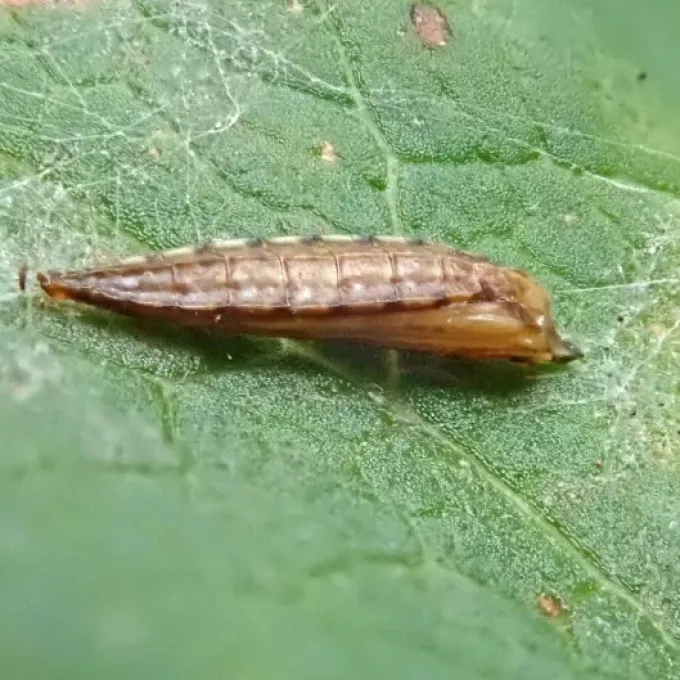
Bedellia is a genus of moths belonging to the family Bedelliidae within the order Lepidoptera. These moths are characterized by their small size and narrow wings, which are typically fringed with fine hairs, common in many leaf-mining species.
Adult moths are generally nocturnal or crepuscular, spending the daylight hours in resting positions on leaves or stems, where their coloration provides excellent camouflage against environmental backgrounds.
The life cycle follows a complete metamorphosis pattern: egg, larva (caterpillar), pupa, and adult. The larval stage is the one responsible for the primary damage, as the caterpillars consume plant tissue.
Identification often relies on the specific morphology of the larvae and, most importantly, the characteristic mines they create. These patterns are unique and serve as a reliable diagnostic tool for identifying the presence of the genus.
While the adults are often overlooked due to their small size, the damage they leave behind is distinct. Entomologists distinguish them from other leaf miners by observing the trajectory and shape of the larval galleries.
What it damages
Bedellia species primarily feed on plants in the Convolvulaceae family, particularly field bindweed. While often considered a weed, bindweed serves as a primary host that can harbor the pest throughout the season.
When populations reach high levels, the larvae can migrate to cultivated plants, including ornamental varieties and specific vegetable crops, causing economic damage by reducing leaf surface area.
The larvae are specialized leaf miners. They feed between the upper and lower epidermal layers of the leaf, consuming the mesophyll. This activity effectively creates "tunnels" or "mines" that disrupt the plant's photosynthetic ability.
Severe infestations result in extensive mining, which causes the leaves to wilt, turn yellow, and die prematurely. This leaf senescence reduces the overall vigor of the plant and limits its capacity to produce energy.
Furthermore, the damaged leaf tissue becomes a portal for secondary infections. Fungal pathogens and bacteria can easily invade the weakened plant tissue through the gaps left by the larvae.
When it appears
The activity cycle of Bedellia is highly synchronized with the availability of its host plants. In temperate climates, the first generation emerges in spring as the host plants begin their active growth.
Bedellia can complete multiple generations within a single growing season. The reproductive rate accelerates significantly during warm summer months, leading to a build-up of the larval population.
Overwintering usually occurs in the pupal stage or as hibernating adults. They seek shelter in leaf litter, soil cracks, or protected crevices on the host plant to survive freezing temperatures.
The emergence of the spring generation depends on accumulated heat units. Once temperatures are consistently favorable, the adults mate, and the female lays eggs, initiating the first cycle of the year.
As autumn approaches and temperatures drop, the development cycle slows down. By the time of the first killing frost, the population seeks overwintering sites to complete the cycle and survive until the following season.
Signs of infestation
The most visible sign of an infestation is the presence of winding, whitish mines on the leaf surfaces. As the larvae grow, these mines widen, eventually creating blotch-like patterns on the foliage.
Closer inspection of the mines reveals tiny black dots, which are the larval frass (excrement). This sign helps distinguish Bedellia activity from other leaf-damaging agents, such as diseases or nutrient deficiencies.
Leaves that are heavily mined will eventually curl, dry out, and become brittle. The loss of photosynthetic tissue leads to general plant stunting, which is particularly noticeable in dense plantings.
Plants affected by the larvae may exhibit premature leaf drop. The structural integrity of the leaf is compromised, and the photosynthetic efficiency drops, leading to an overall decline in plant health.
By carefully opening a fresh mine, one can usually find the larva. Bedellia larvae are highly active and will often wriggle out of their tunnels if the leaf is disturbed or broken open.
Control measures
The primary control method is cultural management, specifically the removal of wild bindweed from around fields. Eliminating the primary host source significantly reduces the pest population pressure.
Biological control relies on the presence of natural enemies, including various species of parasitic wasps. Maintaining a diverse ecosystem allows these predators to keep the Bedellia population in check.
Chemical control should be employed only when necessary. Systemic insecticides are most effective, as they penetrate the leaf tissue and reach the larvae inside the mines, where contact sprays would be ineffective.
Monitoring using pheromone traps is recommended to track the flight patterns of adult moths. This data helps in timing insecticide applications to target the larvae during their most vulnerable early stages.
General crop vigor, supported by proper irrigation and balanced fertilization, helps plants better withstand the stress caused by leaf mining, allowing them to compensate for the lost tissue more efficiently.
Taxonomy
- Latin name
- Bedellia
- Order
- Lepidoptera (butterflies)
- Family
- Bedelliidae
- EPPO code
- BEDESP
Discussion
No discussions yet — be the first.