
Thyme gall midge
Bayeriola thymicola
Description
How to identify
The Thyme gall midge (Bayeriola thymicola) is a small insect belonging to the family Cecidomyiidae (gall midges), within the order Diptera. Adults are very small and often escape notice due to their size and brief lifespan.
The larval stage is the primary cause of damage. Larvae are typically cylindrical, light-colored, and adapted to living protected inside plant tissues where they consume nutrients.
The life cycle is closely linked to the vegetation period of thyme (genus Thymus). The insect's biology is highly specialized, making it a significant pest for this specific group of plants.
Adult females deposit eggs into young plant tissues. Upon hatching, the larvae trigger chemical changes in the host plant, leading to the formation of characteristic galls.
Pupation frequently occurs in the soil or within the gall itself, providing a survival strategy that protects the developing insect from environmental stressors.
What it damages
The main host plant is common thyme (Thymus vulgaris) and other related species. The damage is particularly problematic in commercial medicinal and aromatic herb cultivation.
Feeding larvae release substances that stimulate abnormal plant cell proliferation. This results in the development of galls, which are distorted growth structures on leaves and stems.
Infested shoots stop growing normally, become deformed, and lose their aesthetic and commercial value. This damage significantly reduces the yield of marketable biomass.
Infestations result in a decline in essential oil content within the thyme, which is detrimental for growers focusing on oil extraction. The chemical profile of the plant is altered by the infection.
Severe infestation can lead to leaf drop, overall plant stunting, and can weaken the crop to a level where it becomes susceptible to secondary diseases or frost damage.
When it appears
The pest's activity coincides with the start of the thyme growth season in spring. Rising temperatures trigger the emergence of the first generation of adults from overwintering sites.
Multiple generations can occur throughout a single growing season, depending on local climate conditions, moisture levels, and temperature patterns.
The peak of infestation typically occurs during mid-summer. This period requires consistent monitoring to prevent the population from reaching economic thresholds.
As autumn approaches and temperatures drop, activity decreases. Larvae prepare to enter diapause, overwintering in the soil or debris to emerge in the following spring.
Environmental factors, especially humidity, play a critical role in the speed of the life cycle. Warm and humid conditions generally favor rapid population growth.
Signs of infestation
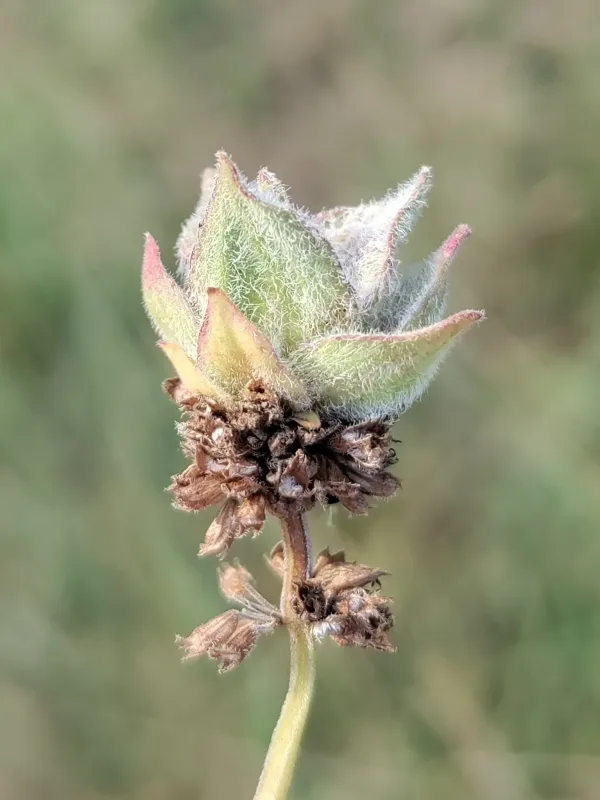
The primary symptom of infestation is the presence of galls—abnormal swellings on the leaves or tips of shoots. These formations are often the first sign detected by growers.
Visible deformation and twisting of apical growth are clear indicators. Plants may appear bushy or stunted compared to healthy, vigorous specimens nearby.
Dissection of the galls will often reveal small larvae inside. Identifying these larvae is the definitive way to confirm that Bayeriola thymicola is the cause of the issue.
- Characteristic gall formation on leaves and stems.
- Stunted shoot development and distorted foliage.
- Discoloration or yellowing of the damaged plant parts.
- Premature shedding of affected leaves.
An infested field often looks uneven, with affected plants showing distinct growth anomalies that break the uniform appearance of the crop.
Control measures
Cultural control methods include regular cultivation between rows to disrupt the soil, which helps kill pupating larvae. Removing and destroying infested plant material is crucial.
Sanitary pruning of symptomatic shoots should be done as soon as they are spotted. All collected debris must be removed from the field and incinerated.
Maintaining proper plant spacing and rotating crops are essential preventive strategies to minimize the habitat suitability for the gall midge.
Biological control using natural predators or parasitoids may be an option in integrated pest management (IPM) programs to reduce the pest population naturally.
Chemical control is considered a last resort. If insecticides are necessary, they should be applied cautiously, ensuring they are approved for use on aromatic crops and are safe for beneficial insects.
Taxonomy
- Latin name
- Bayeriola thymicola
- Order
- Diptera (flies)
- Family
- Cecidomyiidae
- EPPO code
- BAYETH
Discussion
No discussions yet — be the first.