
Juniper midge
Bayeriola
Description
How to identify
The juniper midge (Bayeriola spp.) belongs to the family Cecidomyiidae, a diverse group of flies known for inducing gall formation on host plants. These insects are microscopic, with adults typically resembling small, fragile gnats.
Adults are rarely seen due to their short lifespan and cryptic behavior. Their bodies are slender, with long legs and antennae adapted for navigating dense foliage in search of suitable egg-laying sites.
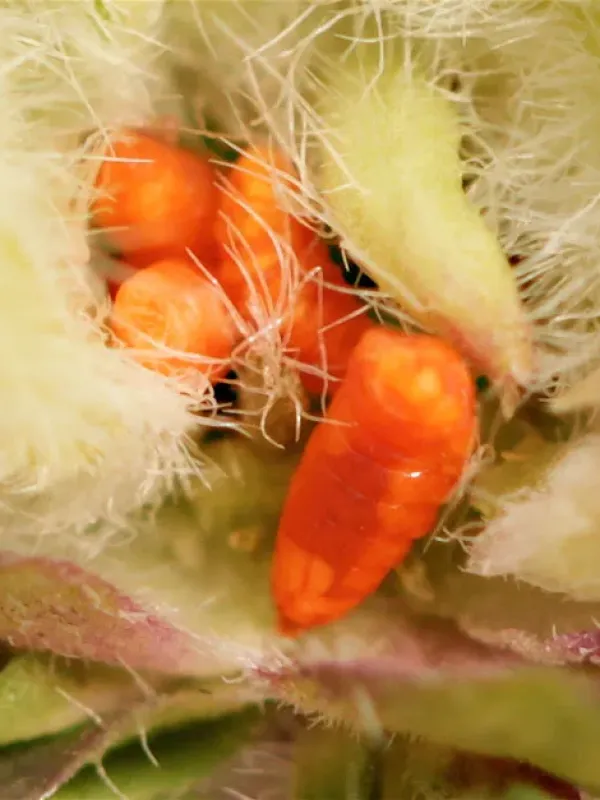
The larvae are the stage responsible for damage; they are legless, usually orange or yellow in color, and dwell within the abnormal tissue growth known as a gall, which provides them with both food and shelter.
Taxonomically, Bayeriola is highly host-specific, primarily targeting species within the Cupressaceae family. This narrow specialization is a key identifier for entomologists monitoring nursery stocks.
Identification is almost exclusively based on the specific morphology of the galls they create, as microscopic examination of larval mouthparts is often required to distinguish them from other Cecidomyiid species.
What it damages
The juniper midge infests various Juniperus species, targeting the soft, newly developing needles and shoot tips. This is where the plant's metabolic activity is highest, making it vulnerable to gall induction.
The feeding activity of the larvae triggers a chemical reaction in the plant tissue, causing the formation of swollen galls. These galls divert nutrients away from the healthy parts of the plant, stunting shoot growth.
In addition to cosmetic damage, the infestation causes the juniper to appear deformed. Affected needles may turn yellow, brown, or drop prematurely, significantly reducing the aesthetic value of the plant.
In nursery settings, heavy infestations can kill young shoots, leading to a loss of vigor and, in severe cases, the death of young saplings that cannot withstand the loss of photosynthetic tissue.
Furthermore, the galls create structural vulnerabilities in the plant's canopy, which can facilitate secondary colonization by fungi or opportunistic pathogens that further degrade the plant’s health.
When it appears
The life cycle of the juniper midge is synchronized with the phenology of its host plant. Adult midges typically emerge in early spring, coinciding with the first flush of new succulent growth.
Females lay their eggs on these new needles. Shortly after hatching, the larvae initiate the formation of the gall, sealing themselves inside the developing tissue to avoid environmental stressors.
During the summer months, the larvae feed continuously, growing inside the gall. The gall expands along with the shoot, ensuring the larvae have a constant supply of nutrients throughout the season.
As autumn approaches, the larvae finish their development. Some species will pupate within the gall, while others may descend into the soil litter at the base of the plant to overwinter.
Depending on local climate conditions, the midge may complete one or more generations per year, leading to overlapping life stages that complicate traditional pest management timing.
Signs of infestation
The most prominent sign of infestation is the presence of abnormal swellings or galls on the tips of the shoots. These galls look like small, fleshy buds or nodules that disrupt the symmetry of the juniper foliage.
Stunted growth or twisting of the branches is a common symptom. When comparing an infested plant to a healthy one, the uneven canopy and deformed shoot tips are immediately apparent.
Chlorosis, or yellowing of the needles near the gall site, serves as a warning sign. Eventually, these needles may turn brown and necrotic as the gall consumes the resources of the local area.
A closer inspection often reveals the larvae inside the gall if cut open. If the gall is empty with a small hole, it indicates the adult has already emerged, confirming the presence of the pest.
Visible decline in the overall health and density of the juniper foliage is a late-stage sign, indicating that the population of midges has reached a high, potentially damaging level.
Control measures
Sanitation is a primary control method. Pruning and destroying infested branches before the adults emerge is essential to prevent the spread of the next generation of pests.
Chemical control using systemic insecticides is most effective when applied during the period of adult emergence, before the galls have fully formed and hardened around the larvae.
When choosing insecticides, prioritize those that are absorbed into the plant's system, as these provide better protection against larvae sheltered inside the plant tissues.
Cultural practices, such as providing optimal irrigation and nutrition, help plants recover from the stress caused by midge infestations and make them more resilient to future attacks.
Integrated Pest Management (IPM) strategies, including the use of sticky traps for monitoring adult flights, allow growers to time their interventions accurately and minimize the unnecessary use of chemical sprays.
Taxonomy
- Latin name
- Bayeriola
- Order
- Diptera (flies)
- Family
- Cecidomyiidae
- EPPO code
- BAYESP
Discussion
No discussions yet — be the first.