
Atherina
Atherina
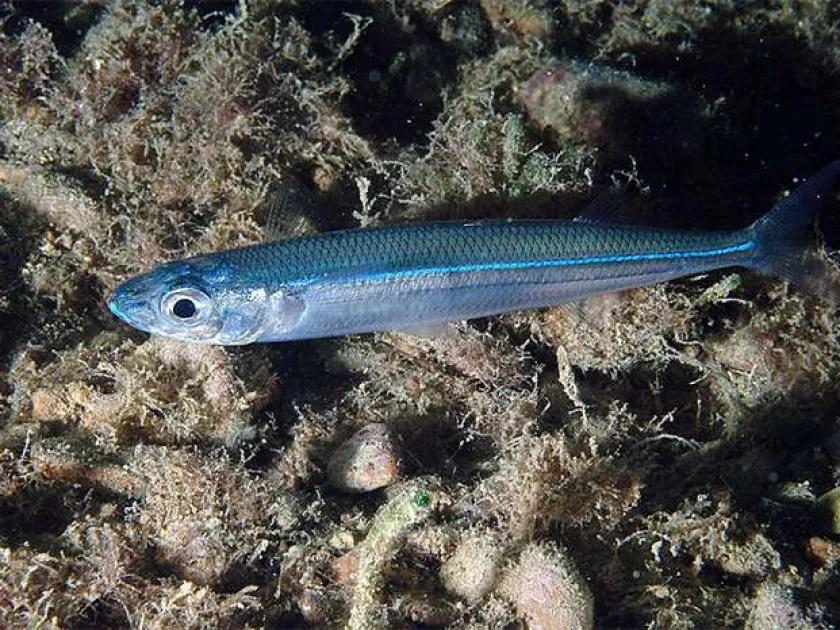
Description
How to identify
The genus Atherina belongs to the class Actinopterygii, order Atheriniformes, and family Atherinidae. These are known as silversides, which are small, schooling fish found in marine and estuarine environments.
Atherina is strictly an aquatic species and does not belong to the group of organisms that pose threats to crops. There is no classification in agricultural science that labels silversides as plant pests.
The physical characteristics include a silvery, streamlined body with a distinct lateral band. Their presence is generally a sign of a healthy aquatic environment rather than a threat to terrestrial agriculture.
Taxonomically, these fish are far removed from insects, nematodes, or fungi, which are the primary agents of plant damage in agricultural systems.
Professional agronomists and plant protection specialists do not include Atherina in their monitoring programs for crop health management.
What it damages
Atherina fish do not feed on crops, vegetables, or field plants. Their diet is limited to zooplankton, small crustaceans, and other microorganisms found in the water column.
There is no mechanism through which this fish could damage plant tissues, including leaves, stems, or root systems, as they possess no adaptations for herbivory on terrestrial plants.
In aquaculture, high populations of Atherina might occasionally be seen as a nuisance due to competition for feed resources with commercial fish species, but this is an issue for fish farmers, not crop farmers.
There are no documented cases of Atherina causing economic loss in agricultural production, rendering the concept of them being a "pest" in this context entirely invalid.
The ecological niche of the silverside is entirely separate from the ecological niche of any agricultural pest, making them harmless to farming operations.
Control measures
Because Atherina is not an agricultural pest, no pest control measures are required. Any application of chemicals intended to manage fish populations in irrigation reservoirs is highly discouraged and often illegal.
Standard plant protection protocols should prioritize the identification and management of insects, mites, and diseases that have been scientifically proven to cause crop damage.
If management of aquatic populations is necessary for aquaculture, it should only be handled by professional aquaculturists using ecologically sound and sustainable practices.
Agronomic planning should focus on actual threats to crop productivity to ensure effective resource allocation and minimal environmental impact.
Maintaining the biodiversity of water bodies near farmlands is encouraged, provided that the organisms present do not interfere with agricultural or irrigation infrastructure.
Taxonomy
- Latin name
- Atherina
- Family
- Atherinidae
- EPPO code
- ATHNSP
Discussion
No discussions yet — be the first.