
Sesame gall midge
Asphondylia sesami
Description
How to identify
The sesame gall midge (Asphondylia sesami) is a small insect belonging to the order Diptera and the family Cecidomyiidae.
The adult insect appears as a tiny midge, often difficult to spot in the field without the use of specialized traps or professional scouting equipment.
The larvae are typically whitish or yellowish, lacking both legs and a distinct head capsule, which is a classic feature of this family.
The biological cycle is tightly synchronized with the development of the sesame plant, as the midge larvae reside within the generative parts.
Given the appropriate thermal conditions, this species is capable of completing several generations during a single growing season.
What it damages
The primary host crop for this pest is sesame (Sesamum indicum), which serves as a major source of oil and seeds globally.
The damage is caused during the larval stage, specifically when they infest developing flower buds and young seed capsules.
Larval feeding habits destroy the internal tissues of the capsules, which directly interferes with the maturation process of the seeds.
As a result, farmers often face reduced seed weight, poor oil quality, and significant overall losses in marketable harvest.
The internal damage caused by the larvae also creates entry points for fungal pathogens, leading to secondary infections and decay.
Signs of infestation
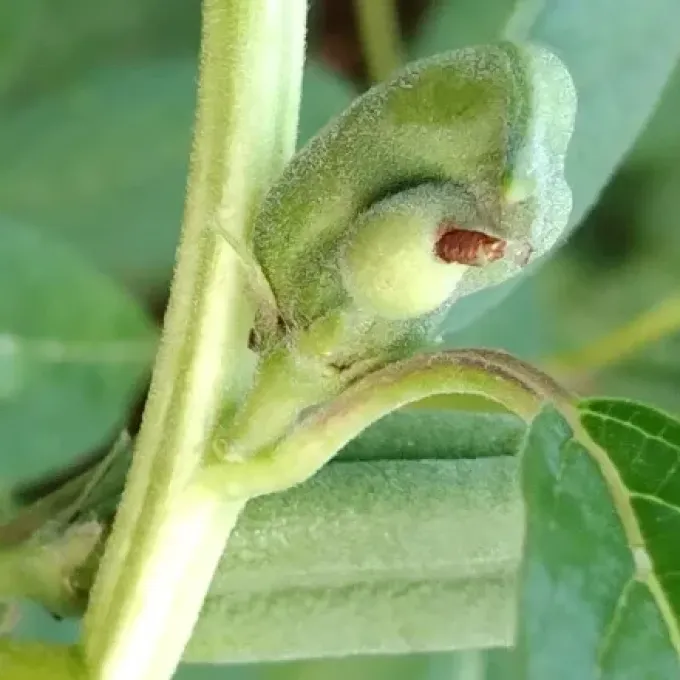
An initial indicator of infestation is the visible deformation and abnormal swelling of the floral buds or young sesame capsules.
Affected capsules often appear shriveled or fail to open correctly, which is a clear diagnostic symptom during field inspections.
By dissecting a suspected capsule, one can often find the larvae or the hollow galleries left behind by their feeding activity.
Heavy infestation levels typically result in premature flower drop and a noticeable reduction in the number of healthy, harvestable pods.
Increased activity of small, fly-like insects in the field during the early morning or evening hours can also signal a potential outbreak.
Control measures
A crucial strategy for management is implementing proper crop rotation to break the midge life cycle within the field environment.
Cultural practices, such as deep plowing after harvest, are effective at destroying pupae overwintering in the soil and crop debris.
It is essential to control weeds in and around the field edges, as these plants can host the midge during the off-season.
Chemical control involving systemic insecticides is recommended during the peak flight period of the adults to prevent egg-laying.
Integrated pest management (IPM) programs should incorporate natural enemies to maintain the pest population below the economic injury level.
Taxonomy
- Latin name
- Asphondylia sesami
- Order
- Diptera (flies)
- Family
- Cecidomyiidae
- EPPO code
- ASPHSE
Discussion
No discussions yet — be the first.