
Thyme gall midge
Asphondylia serpylli
Description
How to identify
The thyme gall midge (Asphondylia serpylli) belongs to the order Diptera and the family Cecidomyiidae. These are very small, delicate flies that are often difficult to spot in the field.
Adults are tiny, mosquito-like insects with long, slender legs and narrow wings. Their activity is usually concentrated during the warmer months when thyme is in active growth.
The larvae, which are the main damaging stage, are small, legless, and typically yellowish-white. They spend their entire developmental period hidden within plant tissues.
Females use a specialized ovipositor to insert eggs into the soft tissues of young thyme shoots or flower buds, ensuring their offspring have immediate access to nutrients.
This species is highly host-specific to plants of the genus Thymus, with a life cycle precisely synchronized with the phenology of its host plant.
What it damages
The primary host of this pest is the common thyme. The midge causes direct damage to commercial herb crops by affecting both plant vitality and the quality of the harvest.
As the larvae feed inside the shoots, they trigger the plant to produce galls—abnormal outgrowths. These galls divert the plant's resources away from normal growth and flowering.
Heavy infestations lead to significant losses in essential oil content, which is a major concern for medicinal and culinary herb producers who rely on oil quality.
Damaged tissues are often susceptible to secondary fungal infections, which can further weaken the plant and lead to patchiness in the crop field.
Economic damage manifests as a reduction in yield, stunted growth of the plants, and the loss of harvestable biomass due to the deformation of stems and flower heads.
Signs of infestation
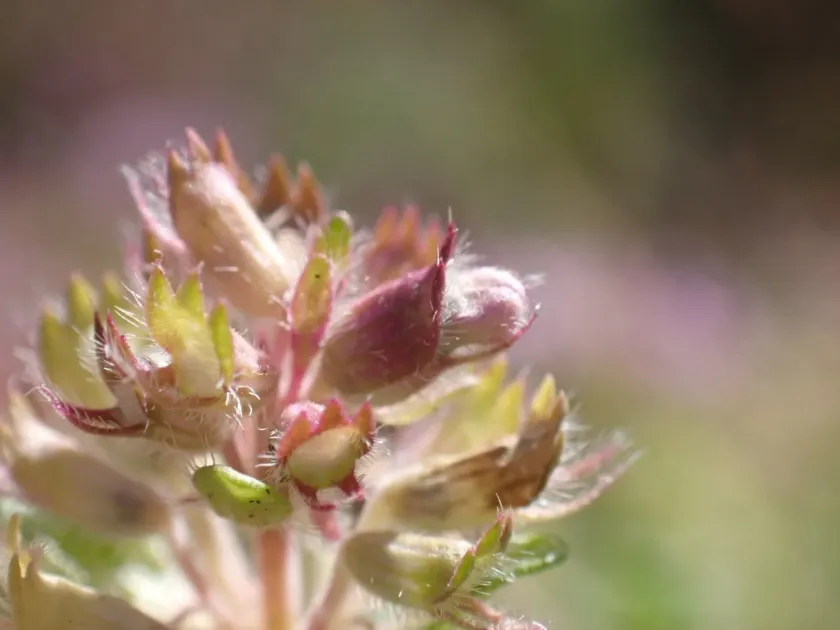
The most visible sign of an infestation is the formation of galls. These are distinct swellings on the tips of shoots or within the flower clusters of the thyme.
Infested shoots often become severely distorted, curled, or stunted compared to healthy ones. This deformation is a clear indicator for field monitoring.
In addition to galls, plants might show signs of yellowing or premature drying. If left unmanaged, these affected areas can spread throughout the thyme bed.
By carefully opening a gall, a grower can find the larva inside. Finding these larvae or the empty pupal casings confirms the presence of the thyme gall midge.
Early detection is crucial. Scouts should look for deformed growing tips in late spring and early summer when the first generation of larvae begins to develop.
Control measures
The most effective strategy is a combination of cultural practices, starting with the manual removal and destruction of infested shoots before the midges emerge.
Ensuring spatial separation between new thyme plantings and wild patches of thyme helps prevent the migration of the pest to clean fields.
Chemical control is generally discouraged in herb production due to safety regulations concerning pesticide residues in the harvested products.
Encouraging natural predators, such as parasitic wasps that attack gall midge larvae, can provide biological control and keep the population at manageable levels.
Good agricultural practices, such as maintaining healthy soil moisture and proper nutrition, help the thyme plants recover more effectively from pest-related stress.
Taxonomy
- Latin name
- Asphondylia serpylli
- Order
- Diptera (flies)
- Family
- Cecidomyiidae
- EPPO code
- ASPHSR
Discussion
No discussions yet — be the first.