
Catmint gall midge
Asphondylia nepetae
Description
How to identify
The Catmint gall midge (Asphondylia nepetae) is an insect belonging to the order Diptera and the family Cecidomyiidae. The adults are tiny, fragile flies, measuring about 2–3 mm in length, often appearing greyish or brownish.
The primary damage is caused by the larvae, which live inside the plant tissues. Their feeding activity triggers the plant to develop abnormal growths known as galls, which serve as protection and a food source for the developing larvae.
Identifying the pest is difficult because the adults are short-lived and inconspicuous. Most gardeners only notice the presence of the midge after the galls have already formed on the buds or stems of the host plant.
The life cycle is closely synchronized with the phenology of the catmint (Nepeta). Females lay eggs in young buds, and the larvae emerge to feed on the internal floral parts, causing the characteristic swelling.
Depending on the climatic zone, the midge may complete one or two generations per year, with the larvae eventually pupating inside the gall before emerging as adults.
What it damages
The primary host plant for this species is catmint (Nepeta), particularly Nepeta cataria. This pest is highly host-specific and is rarely found on other members of the Lamiaceae family.
The larvae specifically attack the generative organs of the plant, such as buds and developing flowers. This often results in a significant reduction in the seed set and overall reproductive success of the plant.
In cases of heavy infestation, a large percentage of the flower spikes may be damaged, which is particularly detrimental for commercial producers of catmint seeds or medicinal herbs.
The formation of galls diverts plant resources, leading to stunted growth and potentially causing the death of the affected parts. This weakens the plant's overall health and vigor.
Beyond the agricultural impact, the presence of these galls ruins the aesthetic value of catmint used in decorative landscapes, causing the plants to look deformed and unkempt.
Signs of infestation
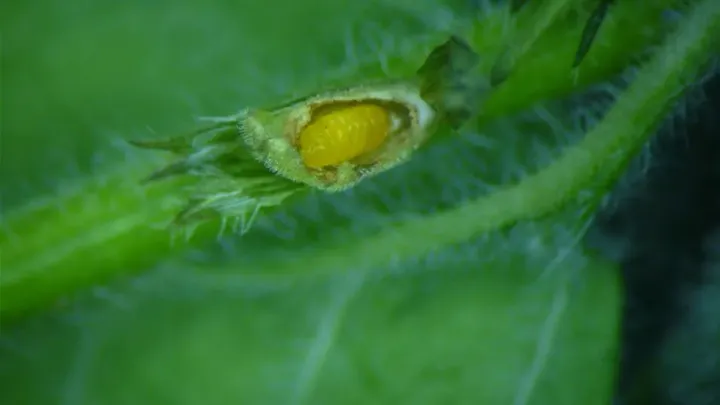
The most prominent sign of an infestation is the presence of galls. On catmint, these appear as swollen, enlarged buds that fail to open properly and develop a distorted, globose shape.
Upon dissecting a suspected gall, one will find small, legless larvae, usually white or yellowish in color, residing within the cavity of the damaged bud.
A lack of blooms on specific stems, combined with unusual thickening of the flower buds, is a strong indicator of midge activity. Over time, these infected buds may turn brown and wither away.
The interior of the gall often contains frass (insect excrement), which is a key diagnostic feature distinguishing this pest from viral or fungal pathogens that might cause similar discoloration.
In infested areas, one may also observe a decrease in pollinator activity around the catmint plants, as the damaged flowers do not provide the nectar and pollen necessary to attract beneficial insects.
Control measures
The most effective cultural control method is the manual removal and destruction of infested plant parts containing galls. This must be done promptly before the adult midges emerge to start a new cycle.
Maintaining proper crop rotation and ensuring sufficient distance between current catmint plantings and previous infested sites can help minimize the local population density of the pest.
Biological control using natural enemies, such as parasitic wasps that prey on gall midge larvae, can be an environmentally friendly strategy for managing populations in garden settings.
Chemical control with insecticides is generally discouraged for catmint, as it is frequently visited by bees and used for medicinal purposes. If necessary, treatments should only be applied if they are safe for pollinators.
Promoting overall plant health through balanced fertilization, appropriate irrigation, and regular weeding helps the catmint withstand pest pressure and recover more effectively from minor infestations.
Taxonomy
- Latin name
- Asphondylia nepetae
- Order
- Diptera (flies)
- Family
- Cecidomyiidae
- EPPO code
- ASPHNE
Discussion
No discussions yet — be the first.