
Rose gall midge
Asphondylia gennadii
Description
How to identify
The rose gall midge (Asphondylia gennadii) is a small dipteran insect belonging to the family Cecidomyiidae. These minute insects are highly specialized, targeting specific host plants within the rose family, which determines their restricted ecological niche.
Adult midges appear as extremely small, delicate flies. Due to their minimal size and fleeting lifespan, they are rarely observed by gardeners, who usually only notice the damage inflicted by the next generation of larvae.
The larvae are legless, pale-colored, and live cryptically within the plant tissues. Their development is closely tied to the host plant's hormonal cycle, which they manipulate to create protective environments.
Taxonomically, this species is noted for its ability to induce complex morphological changes in plant organs, a phenomenon primarily driven by the secretion of specific growth-regulating chemicals during feeding.
Identification in the field is almost entirely based on the presence of characteristic gall formations on flower buds and emerging shoots, which serve as visual markers for the presence of the infestation.
What it damages
The rose gall midge primarily attacks various cultivated and wild rose species. It targets developing flower buds and growing tips, where larvae feed and trigger abnormal cell division, resulting in gall formation.
The presence of these galls prevents the buds from opening correctly, leading to malformed flowers or complete bud abortion. This significantly impacts the aesthetic value of the plant in gardens and landscapes.
Larval feeding depletes the plant of vital resources, which can stunt the overall growth of affected stems. Persistent infestations can lead to a decline in plant vigor over several growing seasons.
Damaged tissues often become necrotic and susceptible to secondary colonizers, including various opportunistic fungi and bacteria that exacerbate the damage initiated by the midge larvae.
For commercial rose growers, the damage is economically significant as it renders the flowers unsuitable for cut flower production and general market sales due to the distorted visual appearance.
When it appears
The lifecycle begins in early spring, synchronized with the resumption of sap flow and the development of the first buds on rose bushes, which provides the necessary oviposition sites for the first generation.
Depending on the climatic conditions, multiple generations can occur throughout the summer. Warm and humid weather typically accelerates the developmental speed of the larvae inside the host plant.
Peak infestation levels are usually observed during mid-summer when the plant is actively producing new shoots and buds, offering an abundance of high-quality tissues for the larvae to colonize.
As autumn approaches and temperatures drop, the rate of new gall formation decreases. The population shifts into a dormant phase, preparing to endure the winter months.
Overwintering occurs primarily within the protective environment of the galls or in the upper soil layer beneath the rose bushes, where the larvae or pupae remain until spring conditions return.
Signs of infestation
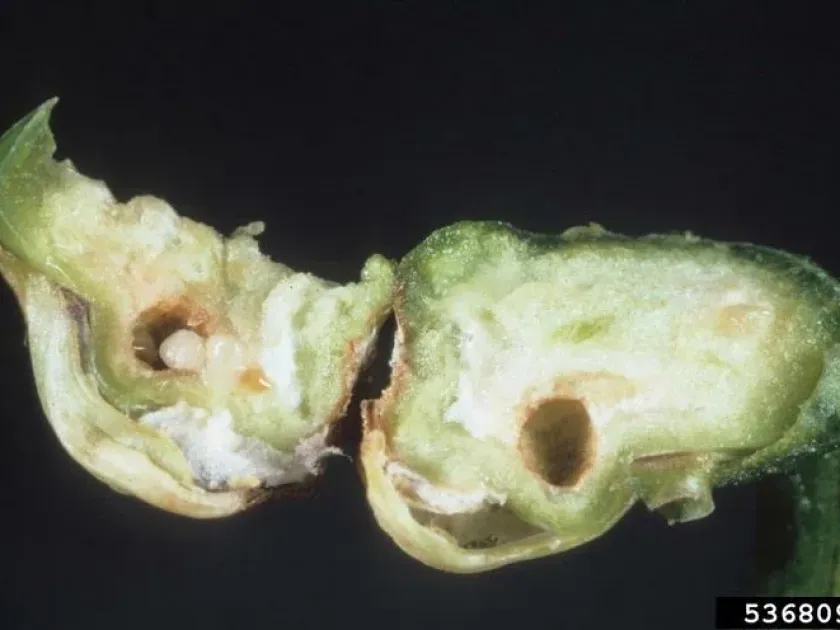
The most distinctive sign of a rose gall midge infestation is the appearance of abnormal swellings, known as galls, on the flower buds or the very tips of new vegetative shoots.
These galls may vary in shape and color, often appearing as distorted, bumpy, or hairy structures that clearly differ from the surrounding healthy green tissue of the plant.
Dissecting a fresh gall often reveals small, yellowish, or white larvae residing within the central cavity, feeding on the specialized nutritious tissues induced by their own secretions.
Premature browning, withering, or dropping of flower buds that never manage to bloom is a common symptom of a severe infestation that should alert the gardener to inspect the area.
Deformed, stunted, or crinkled leaves near the terminal buds can also indicate that larvae have successfully colonized the growing point, disrupting normal hormonal balance in the plant.
Control measures
Effective management begins with rigorous cultural practices, primarily the early detection and manual removal of all galls and infested buds before the larvae can complete their development.
- All removed material must be disposed of by burning or deep burial to prevent the emergence of adult midges.
- Strategic application of systemic insecticides during the peak flight period of adults can interrupt the cycle by preventing successful egg deposition on healthy buds.
- Deep autumn cultivation of the soil around the base of the bushes helps disrupt the overwintering sites, reducing the potential population size for the following spring.
- Maintaining optimal plant health through balanced fertilization and correct pruning practices improves the roses' resilience against pest colonization.
Rotation of insecticide classes is essential in any integrated pest management strategy to prevent the development of resistance and to minimize the impact on beneficial garden insects.
Taxonomy
- Latin name
- Asphondylia gennadii
- Order
- Diptera (flies)
- Family
- Cecidomyiidae
- EPPO code
- EUMAGE
Discussion
No discussions yet — be the first.