
Hornbeam gall midge
Aschistonyx carpinicolus
Description
How to identify
The hornbeam gall midge (Aschistonyx carpinicolus) is a tiny insect belonging to the Cecidomyiidae family, order Diptera. Adult midges are delicate, mosquito-like insects that are rarely observed by casual observers due to their small size.
The larvae are small, legless, and whitish or yellowish in appearance. They spend their larval stage protected within the plant tissue, which they manipulate to create a specialized habitat for their development.
This species is highly host-specific, primarily affecting the European hornbeam (Carpinus betulus). Their life cycle is strictly synchronized with the phenological stages of their host tree.
Reproduction occurs after mating, and females deposit their eggs on young, tender leaves or within developing buds. This ensures the newly hatched larvae have an immediate food source.
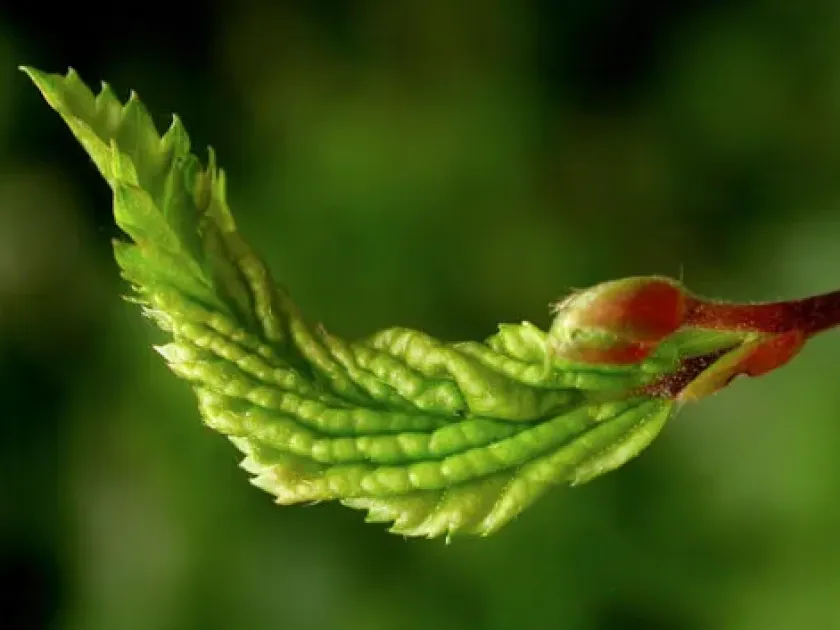
The presence of the midge is typically identified by the distinctive galls, which are abnormal plant growths stimulated by the larvae's feeding and salivary secretions.
What it damages
The primary host for this pest is the European hornbeam. It is generally not considered a threat to other tree species within a typical landscape or forest setting.
As the larvae feed, they trigger the formation of leaf galls. These structures disrupt the normal physiological processes of the leaf, specifically interfering with efficient photosynthesis and nutrient transport.
Young trees and nursery stock are the most vulnerable to damage, as the visual quality of the foliage is highly valued. Heavy infestations can lead to significant aesthetic and physiological stress.
In cases of severe infestation, galls can cover a large percentage of the leaf surface, causing the leaves to yellow prematurely and drop early, which weakens the tree's health.
Weakened trees become more susceptible to secondary issues, such as bark infections or infestations by other wood-boring insects, further compromising the tree's longevity.
When it appears
Adult activity begins in late spring, coinciding with the emergence of young hornbeam foliage, which is the perfect time for egg-laying.
The development of galls occurs throughout the early to mid-summer period. During this time, the larvae grow rapidly while remaining safely encased within the plant tissue.
By late summer or early autumn, the larvae typically finish their development and prepare to exit the galls to pupate in the soil or leaf litter.
The pest spends the winter months as a pupa or larva in the soil directly beneath the host tree's canopy, making it a critical time for certain control measures.
The spring emergence of adults is highly synchronized with the budding of the hornbeam trees, ensuring the survival and continuity of the population each year.
Signs of infestation
The most prominent sign of infestation is the presence of small, rounded, or slightly elongated galls on the leaves of the hornbeam.
The color of these galls can range from pale green to reddish or brownish, depending on the stage of larval development and the level of light exposure.
- Appearance of swellings on leaf surfaces in late spring.
- Distortion or curling of the affected leaves.
- High density of galls covering the leaf blades.
- Premature leaf senescence and early autumn leaf drop.
Trees with significant infestations often lose their natural vigor, appearing stunted and losing their characteristic lush green appearance.
Control measures
Sanitation is a primary control method; collecting and destroying fallen leaves in autumn helps remove a large portion of the overwintering population.
Tilling the soil beneath the tree canopy in late autumn or early spring can disrupt the pupation cycle of the midges and reduce their numbers for the following season.
Systemic insecticides may be used if the infestation is severe, but application timing is critical; they must be applied before the galls become fully hardened and protective.
Maintaining tree health through proper watering and balanced fertilization helps the trees better withstand the stress caused by the midge infestation.
Encouraging natural predators, such as parasitic wasps that target gall midges, is an excellent biological approach to keeping population levels in check.
Taxonomy
- Latin name
- Aschistonyx carpinicolus
- Order
- Diptera (flies)
- Family
- Cecidomyiidae
- EPPO code
- ASCXCA
Discussion
No discussions yet — be the first.