
Argna ferrarii
Argna ferrarii
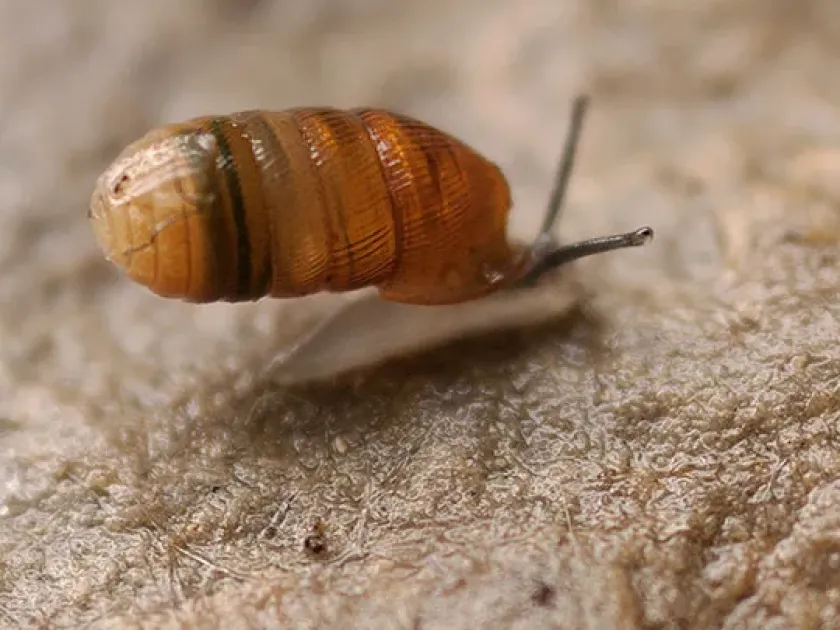
Description
How to identify
Argna ferrarii is a small land snail belonging to the Orculidae family. It is characterized by its small, dextral (right-handed) shell, which typically has a cylindrical or spindle-like shape.
The morphology of the shell, including its specific aperture and surface texture, is the primary diagnostic feature used by entomologists and malacologists to identify this particular species in the field.
These snails typically inhabit moist environments, seeking shelter under plant debris, inside tree bark crevices, or within the surface layers of the soil where humidity remains consistently high.
The biological success of Argna ferrarii is linked to its ability to survive in various microclimates, provided there is enough calcium in the environment to support the growth and maintenance of their shells.
The life cycle involves egg-laying in damp soil or organic litter. Juveniles emerge after several weeks and begin their feeding cycle immediately, growing steadily throughout the favourable seasons of the year.
What it damages
This pest primarily feeds on ornamental plants and vegetable crops in garden settings. It is particularly damaging to seedlings and young, succulent plant tissues that are easy to rasp with their radula.
The consumption of plant epidermis, stems, and flower buds by Argna ferrarii can significantly reduce the aesthetic value of flowering plants and stunt the growth of young vegetable crops.
The damage often appears in localized patches where the snails congregate. These feeding sites can become entry points for secondary fungal or bacterial pathogens, which further compromise the health of the plant.
In cases of high population density, these snails can cause extensive damage to foliage, sometimes resulting in a skeletonized appearance of the leaves where only the harder veins remain.
During extended periods of wet weather, the damage can escalate rapidly. If left unchecked, the population can cause significant economic losses in sensitive crop areas, requiring prompt intervention.
When it appears
The activity period for Argna ferrarii begins in early spring, as temperatures rise and the soil moisture levels become adequate for emergence from their winter dormancy phase.
During the summer, activity is dependent on humidity levels. If the season is dry and hot, these snails will retreat into deeper soil layers or cracks to enter a state of aestivation, becoming inactive until moisture returns.
Autumn is a critical period for both feeding and reproduction. Monitoring during this time is essential to prevent a massive population surge for the upcoming year, as snails prepare their egg-laying sites.
The optimal temperature range for their development is between 15°C and 22°C. Extremes in temperature inhibit their physiological functions, causing them to seek shelter in micro-habitats.
Winter survival is achieved by adults and eggs remaining buried in the soil or under dense organic mulch. Disruption of these overwintering sites through tillage is a key part of long-term population management.
Signs of infestation
The most noticeable sign of an Argna ferrarii infestation is the presence of irregular holes in the leaves. Unlike insect pests that may leave clean cuts, snails often leave ragged, torn edges on the foliage.
A shiny, dried mucus trail on the surface of leaves, stems, or soil is a telltale sign that these molluscs are present in the garden area. This trail becomes more visible after the mucus dries in the sun.
Small, dark, granular excrement pellets found near the base of the plant or on the surface of the soil are definitive evidence of active feeding by this snail species.
If you notice wilting in plants that are otherwise well-watered, check the base of the plant for snail activity. They may be feeding on the stem or roots, which is a common stressor leading to sudden plant collapse.
Setting up simple traps, such as placing damp wooden planks or cloths in the garden overnight, can help verify the presence of the pest. Checking these traps in the morning will likely reveal hiding snails.
Control measures
Cultural control is highly effective: regular soil cultivation (tilling) disrupts snail habitats and destroys their egg clutches. Keeping the garden free of debris and weeds reduces available hiding spots.
Physical barriers such as wood ash, crushed shells, or gravel strips around beds create a hostile environment for snails to cross. These materials irritate the snail's soft body, discouraging them from entering the area.
Biological control methods include encouraging natural predators such as hedgehogs, frogs, and predatory beetles. These animals play a significant role in keeping the population of Argna ferrarii in check naturally.
Chemical control involving molluscicides (e.g., iron phosphate or metaldehyde-based baits) should be used as a last resort. Always follow label directions to ensure safety for pets, wildlife, and the environment.
Manual collection and ecological traps, such as using beer or fermented fruit traps, are effective for small-scale gardens. Collecting and disposing of the trapped snails regularly is a proven way to reduce the overall population.
Taxonomy
- Latin name
- Argna ferrarii
- Order
- Molluscs
- Family
- Argnidae
- EPPO code
- AGNAFE
Discussion
No discussions yet — be the first.