
Ardis sulcata
Ardis sulcata
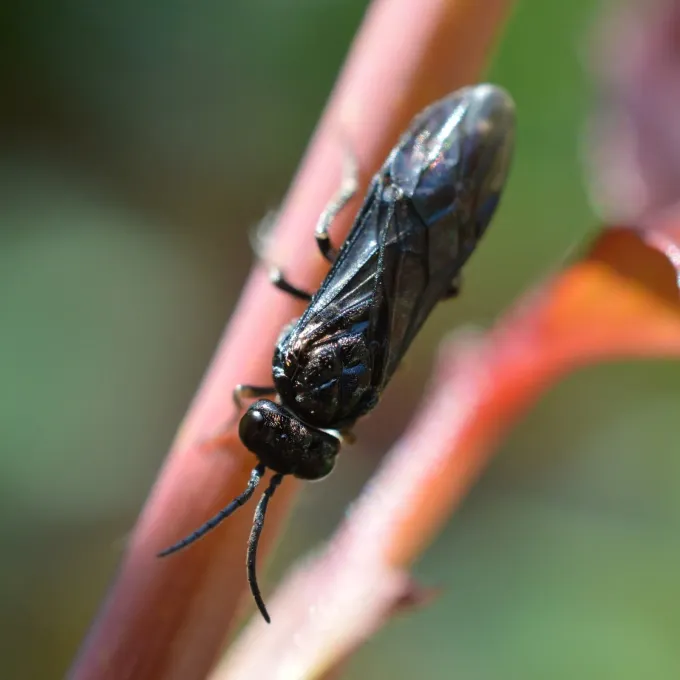
Description
How to identify
Ardis sulcata is a species of sawfly belonging to the family Tenthredinidae within the order Hymenoptera. While often overlooked due to its size, this insect is a specialized pest known for targeting certain flowering shrubs.
The adult sawfly is a small insect that focuses its reproductive efforts on finding suitable host plants during the spring growth flush. Its lifecycle is tightly coupled with the phenological development of its host plants.
The larvae are the primary stage causing damage. They exhibit morphological characteristics typical of sawfly larvae, specifically adapted for mining inside stems rather than feeding externally on foliage.
Due to their cryptic lifestyle inside the plant tissue, detecting the larvae before significant damage occurs can be challenging, even for experienced gardeners or agricultural professionals.
Understanding the developmental cycle is key to management, as the timing of the adult emergence directly informs when protective measures should be implemented to prevent egg-laying.
What it damages
Ardis sulcata primarily affects members of the Rosaceae family, with cultivated roses being the most significant victims. The pest targets the succulent, fast-growing young stems of these plants.
The larvae feed internally, boring through the pith of the stem. This disrupts the plant's vascular system, preventing the upward transport of water and nutrients to the terminal parts of the shoot.
Mechanical damage caused by these tunnels leads to the wilting and eventual death of the shoot tips. This significantly impacts the plant's structural integrity and aesthetic appeal.
Besides immediate physical damage, the weakened stems become vulnerable to secondary infections, including fungal pathogens that easily enter through the holes created by the larvae.
In cases of high infestation, the pest can severely stunt the growth of the rose bushes and reduce the number of blossoms, as the energy reserves of the plant are redirected toward repairing tissue damage.
Signs of infestation
The most prominent sign of an Ardis sulcata infestation is the sudden wilting and drooping of the terminal ends of young rose shoots, often followed by browning or blackening.
Closer examination reveals a small entry or exit hole on the stem, indicating where the larva has been active. This is often accompanied by a slight discoloration of the surrounding tissue.
Dissecting an affected shoot reveals a hollowed-out channel filled with frass, which is a clear indicator of the presence of the internal feeding larvae.
While the lower parts of the stem might initially appear healthy, the entire section above the larval tunnel typically withers as the season progresses.
Failure to produce new, healthy growth from the terminal buds is another hallmark of a chronic infestation that has been left untreated for a period.
Control measures
Sanitation is the primary method of control. Removing and destroying infested stems promptly, ensuring the cut is made below the larval tunnel, is essential to halt the population cycle.
Monitoring the plants during the spring, particularly when new shoots are actively developing, allows for the early detection of adult sawflies and their egg-laying marks.
For severe infestations, the application of systemic insecticides can be effective, as the chemical is absorbed by the plant and reaches the larvae hiding inside the stems.
Cultural practices such as maintaining healthy soil conditions, proper irrigation, and adequate fertilization increase the rose plant's vigor and its ability to recover from pest attacks.
Cultivating the soil around the base of the bushes in late autumn can expose larvae that have moved into the soil for overwintering, significantly reducing the pressure from the next generation.
Taxonomy
- Latin name
- Ardis sulcata
- Order
- Hymenoptera
- Family
- Tenthredinidae
- EPPO code
- ARDSSU
Discussion
No discussions yet — be the first.