
Pear bud gall midge
Apiomyia bergenstammi
Description
How to identify
The pear bud gall midge (Apiomyia bergenstammi) is a small fly belonging to the family Cecidomyiidae. The adult is a tiny, delicate insect that is rarely seen due to its small size and short lifespan.
The larval stage is the primary cause of damage, living inside the plant tissues. The larvae are typically legless and have a pale yellow to orange color, specialized for feeding within the plant structure.
These insects undergo complete metamorphosis. The females are equipped with a specialized ovipositor designed to penetrate bud scales and deposit eggs directly into the developing plant tissues.
The adults are active during the early spring, and their emergence is often linked to the specific phenological stages of the host tree, which is essential for their reproduction.
The larvae induce the plant to form galls, which provide both food and protection from the environment and many predators during their developmental stages.
What it damages
This pest is highly specialized and attacks only pear trees. The pear bud gall midge targets the buds, causing significant stress to the host and reducing its growth potential.
The larvae feed on the internal tissues of the buds, which leads to their deformity and often total necrosis. This directly impacts the tree's ability to produce flowers and fruit.
In cases of high infestation, a large percentage of buds can be destroyed, leading to a substantial decrease in yield and potentially stunting the development of young trees.
The feeding activity disrupts the normal physiological development of the buds, preventing them from opening or forcing them to produce weak, abnormal shoots.
Such injuries also create entry points for secondary pathogens, such as fungi and bacteria, which can further weaken the tree's overall health and vitality.
When it appears
Adult emergence typically begins in early spring, coinciding with the "green cluster" stage of pear development, making this the most critical time for monitoring.
The flight period can last for several weeks, influenced heavily by weather conditions. Warm and humid springs are particularly conducive to higher reproductive success.
Depending on the climatic zone, the pest may complete several generations within a single growing season, extending the risk period throughout the spring and summer.
As autumn approaches, the final generation of larvae will drop to the ground or seek shelter in the soil within the root zone to enter diapause for the winter.
Monitoring for the pest during these specific windows is essential for effective orchard management and minimizing the impact on the year's harvest.
Signs of infestation
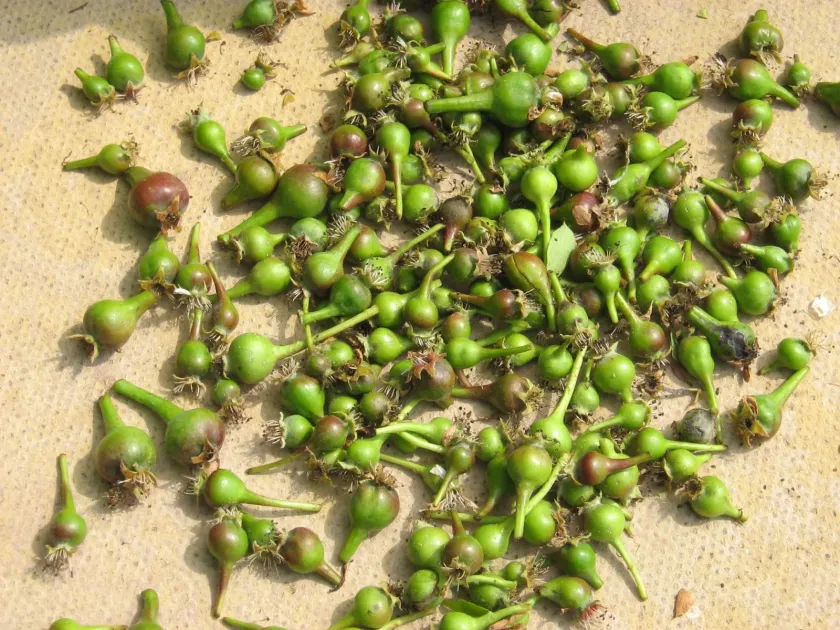
The most visible symptom of an infestation is the appearance of swollen, malformed buds that fail to develop into normal flowers or shoots.
Upon closer inspection, the buds may appear asymmetrical or unusually round. Cutting into an affected bud will often reveal the presence of small orange-colored larvae inside.
In spring, the damaged buds remain closed, look withered, and often turn brown or black as they die off, sometimes followed by premature bud drop.
- Swollen or deformed pear buds.
- Failure of buds to open in spring.
- Premature bud desiccation and drop.
- Presence of small larvae inside damaged buds.
- Weak or twisted shoot development from infested buds.
Early detection is crucial. Observing the orchard during the late dormancy and early growth phases can help identify localized infestations before they spread.
Control measures
Cultural control involves the mechanical removal and destruction of infested buds and pruning of affected twigs before the larvae exit to pupate.
Cultivating the soil beneath the trees in late autumn can help destroy overwintering larvae, reducing the population that emerges the following spring.
Chemical control should be timed to match the peak flight of adults. Applying systemic insecticides during the early stages of bud burst can prevent egg-laying.
Using monitoring tools like pheromone traps helps growers identify the arrival of adults, allowing for precise application of control measures when most needed.
Encouraging natural predators and maintaining healthy orchard conditions will contribute to long-term integrated pest management and lower chemical dependence.
Taxonomy
- Latin name
- Apiomyia bergenstammi
- Order
- Diptera (flies)
- Family
- Cecidomyiidae
- EPPO code
- OLITBR
Discussion
No discussions yet — be the first.