
Grape leaf miner
Antispila oinophylla
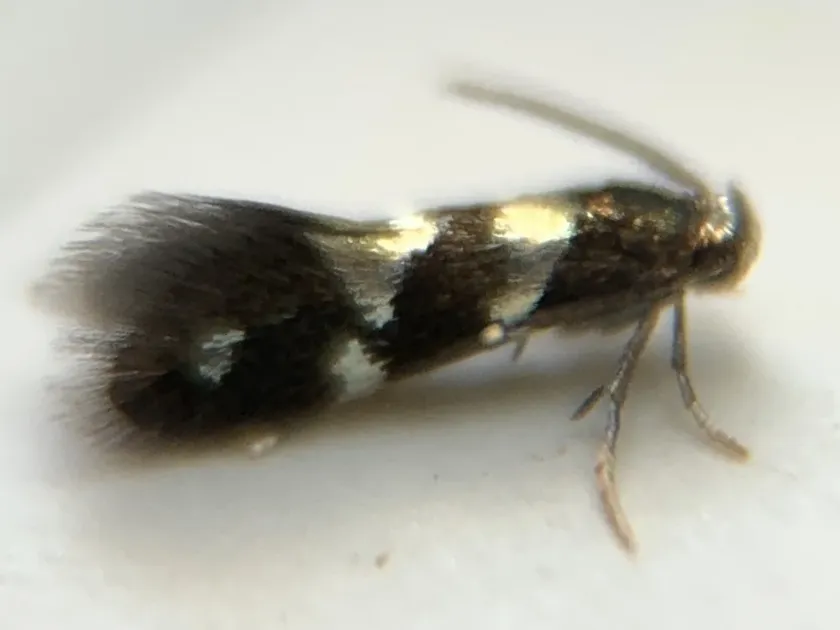
Description
How to identify
The Grape leaf miner (Antispila oinophylla) is a small moth belonging to the family Heliozelidae in the order Lepidoptera. It is a specialized pest that impacts viticulture by targeting vine foliage.
Adult moths are very small and often go unnoticed due to their nocturnal habits and camouflage. The primary stage responsible for damage is the larval stage, which develops inside the leaf.
The life cycle involves multiple generations per year depending on the climatic conditions. The rapid development allows this insect to become a significant problem in affected vineyard areas.
Understanding its biology is crucial for farmers, as the hidden nature of the larvae within the leaf tissue makes traditional contact insecticides less effective.
The species has specific mechanisms for pupation, which often involves cutting a section of the leaf, a trait that leaves behind diagnostic physical evidence on the plant.
What it damages
This pest affects various grapevine species. The larvae feed on the leaf parenchyma, creating tunnels or "mines" that weaken the plant's overall photosynthetic capacity.
By consuming the internal green tissue of the leaf, the larvae restrict the plant's ability to produce sugars. This directly impacts the quality and yield of the grape harvest.
Severe infestations can lead to significant defoliation, which causes physiological stress to the vine. This stress can hinder the vine's ability to harden off properly before the onset of winter.
If the damage is widespread, it can lead to stunted growth and reduced vigor in the subsequent growing season, posing a long-term risk to vineyard productivity.
The presence of mines also provides entry points for secondary pathogens, potentially increasing the prevalence of other diseases within the vineyard canopy.
Signs of infestation
The initial signs of infestation are light-colored patches on the leaves. These patches represent the mines created by the larvae feeding beneath the leaf epidermis.
Tiny dark spots of frass (insect excrement) inside the mines are a clear indicator of the pest's presence, helping to distinguish these mines from abiotic damage.
A distinctive sign of the Grape leaf miner is the presence of small, neat, oval-shaped holes in the leaves. These holes are cut by the larvae as they exit the mines to pupate.
As the infestation progresses, individual mines may merge, causing large brown or dry areas on the foliage. In advanced cases, the entire leaf may wither and drop prematurely.
Regular visual inspections, especially during the spring and summer months, are necessary to detect the characteristic tracks and holes left by the larvae.
Control measures
Effective management requires a combination of chemical control and good vineyard hygiene. Monitoring is the first step toward reducing the population of this pest.
Systemic insecticides are generally the most effective way to reach the larvae living inside the leaf tissue. Timing is critical, as applications should align with the peak emergence of the moths.
Sanitation practices, such as removing and composting or burning fallen leaves in the autumn, are highly recommended to destroy pupae that overwinter in leaf debris.
Pheromone traps can be used to monitor moth activity and determine the optimal windows for treatment, minimizing unnecessary chemical use.
- Monitoring adult flight patterns with pheromone lures.
- Applying systemic insecticides during peak larval development.
- Maintaining clean cultivation areas by removing leaf litter.
Taxonomy
- Latin name
- Antispila oinophylla
- Order
- Lepidoptera (butterflies)
- Family
- Heliozelidae
- EPPO code
- ANTSOI
Discussion
No discussions yet — be the first.