
Anomala obsoleta
Anomala obsoleta
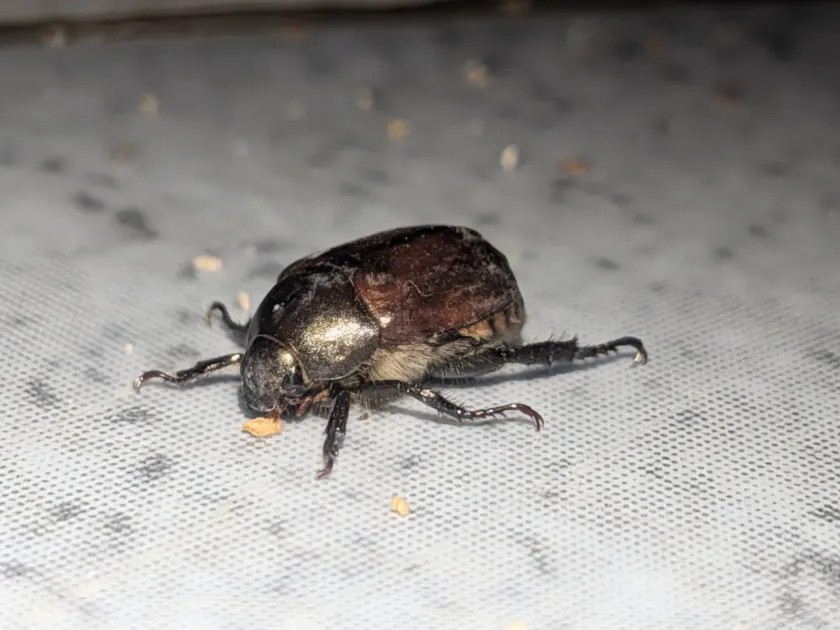
Description
How to identify
Anomala obsoleta, known as a type of scarab beetle, belongs to the order Coleoptera and the family Scarabaeidae. This insect has an oval-shaped body, typically 12–15 mm in length, with a coloration ranging from yellowish-brown to metallic green.
Adult beetles exhibit sexual dimorphism and are primarily active during the day. Their larvae are typical C-shaped grubs, white with a brown head, that develop underground over several years.
The beetle's life cycle is heavily dependent on soil temperature and moisture levels, which significantly influence their population surges in specific climatic years.
The developmental process is protracted because the larvae pass through several instars in the soil, feeding mainly on organic matter and grass roots before maturing.
They overwinter in the larval stage deep within the soil profile, which provides them with high survival rates even during harsh winter conditions in their native regions.
What it damages
The primary crops affected by Anomala obsoleta include cereal crops such as wheat, barley, rye, and corn.
Adult beetles pose the greatest threat during the grain-filling stage, as they feed aggressively on the soft tissues of the plant and consume the developing grain within the ear.
The larvae, which live in the soil, can damage the root systems of agricultural crops, thereby weakening the plants and making them more susceptible to drought and nutrient stress.
When populations reach high densities, this pest can destroy a significant portion of the harvest, leading to substantial losses in grain quality and marketability.
Damage often manifests in localized patches, but under favorable environmental conditions, the beetles can migrate to neighboring fields, spreading the infestation rapidly.
When it appears
The flight period for adult beetles typically begins in early summer and continues through July, coinciding with the heading and grain-filling stages of cereal crops.
Beetles show peak activity on hot, sunny days when they congregate in crops to feed and reproduce.
Larvae become active in the spring as soil temperatures reach 10–12 degrees Celsius, at which point they move toward the root zone to feed.
Pupation occurs in the soil in late spring, and new adult beetles emerge 2–3 weeks later to begin the cycle of mating and egg-laying.
An adult beetle's lifespan is approximately one month, during which time the female deposits eggs into the soil beneath the crop canopy.
Signs of infestation
The most visible sign of infestation is the presence of damaged or empty spikes, which appear partially consumed or frayed after beetle feeding.
During the day, adults can often be found congregated on the tops of ears, making visual inspection a reliable way to assess infestation levels.
Indirect signs of larval presence in the soil include patchy yellowing and wilting of young crops, which is sometimes mistaken for localized moisture deficiency.
The sound of beetles feeding on grain can occasionally be detected in quiet conditions when the insect density on a field is exceptionally high.
Soil sampling revealing the presence of white scarab-type grubs provides a definitive indication of the potential risk to the root system of the current or future crop.
Control measures
Effective management includes implementing crop rotation strategies that avoid planting cereals in succession, which helps break the pest's life cycle.
Deep autumn plowing is a highly effective mechanical control method that exposes larvae and pupae to predators and adverse weather, disrupting their development.
The application of contact insecticides during the peak flight period can significantly reduce adult beetle populations and prevent extensive feeding damage.
Cultivating resistant crop varieties with tighter glumes or husk protection can physically impede the beetles' access to the developing grain.
Controlling weeds and field margins reduces the availability of secondary food sources and refuge areas, helping to lower the overall population pressure in the area.
Taxonomy
- Latin name
- Anomala obsoleta
- Order
- Coleoptera (beetles)
- Family
- Scarabaeidae
- EPPO code
- ANMLOB
Discussion
No discussions yet — be the first.