
Anomala geniculata
Anomala geniculata
Description
How to identify
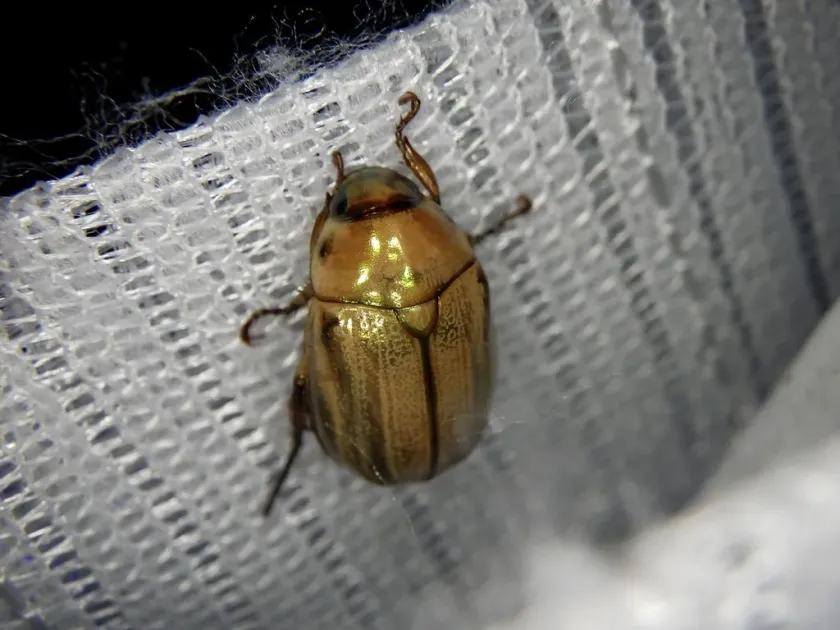
Anomala geniculata belongs to the Scarabaeidae family, part of the Coleoptera order. The adult beetle is characterized by a moderate size and a distinct metallic sheen on its elytra, which often feature yellow-brown or greenish hues.
The body of the imago is oval and robust, equipped with strong legs adapted for digging into the soil. The head and pronotum are typically darker in color, providing a key identification trait to distinguish this species from other members of the Anomala genus.
The larvae are typical scarabs: C-shaped, creamy-white in color, with a well-developed head capsule and three pairs of thoracic legs. They reside in the soil layer, feeding primarily on decomposing organic matter and plant roots.
The lifecycle involves complete metamorphosis: egg, larva, pupa, and imago. Depending on the local climate, the developmental cycle from egg to adult beetle can range from one to two years, which significantly complicates effective population management.
Overwintering occurs primarily in the larval stage deep within the soil, below the frost line, ensuring high survival rates even in harsh winters. In spring, the larvae migrate to the upper soil layers to feed actively before pupation.
What it damages
Adult Anomala geniculata are active phytophages that cause damage to the above-ground parts of various agricultural and ornamental crops. The primary harm occurs during the flowering and fruit-set stages of fruit trees and berry bushes.
The beetles feed on leaves, leaving ragged edges or skeletonizing the leaf blades entirely. High population densities can lead to severe defoliation, which significantly reduces the plant's photosynthetic capacity and overall yield.
Young seedlings and ornamental shrubs are particularly vulnerable, as damage to young foliage weakens the plant's immune system. During peak flight periods, beetles may also destroy buds and flowers, preventing fruit development.
The soil-dwelling larvae cause significant damage to the root system. They gnaw on small roots and sever main conductive vessels, which leads to wilting and the eventual death of affected plants throughout the growing season.
- Orchards and fruit trees
- Vineyards
- Berry bushes
- Cereal and industrial crops
- Ornamental deciduous trees
Signs of infestation
The first sign of pest presence is the appearance of irregular holes in leaves that rapidly increase in size. Early morning inspections often reveal the beetles feeding on the underside of leaves or within plant blossoms.
When roots are damaged by larvae, plants may show sudden wilting despite adequate soil moisture. If an affected plant is dug up, the characteristic white larvae can usually be found within the root ball.
Weakened plants show signs of stress, including chlorosis (yellowing of leaves) and stunted growth of new shoots. These symptoms indicate that the root system has been compromised, preventing proper nutrient and water uptake.
During mass flight, the beetles produce a distinct humming sound in the evening and are highly attracted to artificial light sources, which can serve as an early warning for farmers and gardeners.
Increased bird activity, specifically birds pecking at the soil in between rows, often serves as a natural indicator of a high larval population density in the upper soil layers, requiring immediate investigation.
Control measures
Integrated control strategies combine cultural and chemical practices to minimize damage. Deep autumn tillage is highly effective as it brings larvae to the surface, exposing them to predators and harsh environmental conditions.
For adult beetle control, insecticides with contact and systemic action are applied during the peak flight season. Applications are best timed in the evening when beetles are most active, ensuring maximum exposure to the treated surfaces.
Light traps deployed across the site can significantly reduce the adult population without the need for intensive chemical spraying. In smaller plots, hand-picking beetles during the early morning hours when they are less mobile is a practical solution.
Soil-incorporated insecticides are used to combat the larval stage in the root zone. These granular or liquid treatments must be properly integrated into the soil to ensure effectiveness while protecting plant health.
Biological control, including the application of entomopathogenic nematodes or fungi, provides an eco-friendly approach. These biological agents target the larvae in the soil, effectively suppressing population growth while maintaining the ecological balance of the garden.
Taxonomy
- Latin name
- Anomala geniculata
- Order
- Coleoptera (beetles)
- Family
- Scarabaeidae
- EPPO code
- ANMLGE
Discussion
No discussions yet — be the first.