
Anomala expansa
Anomala expansa
Description
How to identify
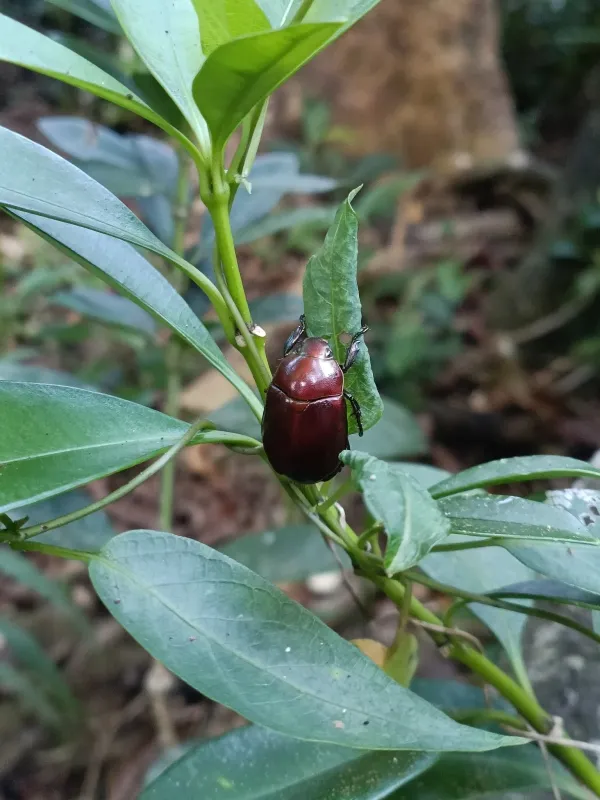
Anomala expansa belongs to the Scarabaeidae family, within the Coleoptera order. Adult beetles are characterized by a medium size and often display a metallic or bronze sheen on their elytra.
The body of the insect is oval and slightly flattened, equipped with strong mandibles adapted for chewing plant tissues. Their antennae are distinctive, ending in a fan-like club.
Larvae are C-shaped, cream-colored, with a darker head capsule and well-developed thoracic legs. They dwell in the soil, primarily consuming organic matter and plant roots.
Distinguishing this species from other related scarabs requires precise morphological analysis, particularly of the male genitalia and pronotal structure.
These beetles are primarily nocturnal or crepuscular, meaning they are most active during dusk and night, often hiding in the soil during the day.
What it damages
Adult beetles are generalist feeders, causing significant damage to a wide range of agricultural crops, including fruit trees, berry bushes, and various vegetable species.
The primary damage occurs during the flowering stage, as beetles consume flower buds, petals, and reproductive organs, directly impacting crop yield.
Soil-dwelling larvae cause hidden damage by feeding on plant roots, which restricts nutrient and water uptake, leading to plant wilting and eventually death.
Heavy infestations can result in extensive skeletonization of leaves, as beetles feed on the tissue between the veins, weakening the overall plant health.
Root damage caused by larval feeding often facilitates secondary infections by soil-borne pathogens, leading to root rots and systemic diseases.
When it appears
Adult emergence typically occurs during the spring and summer months, coinciding with the peak vegetative growth phase of host plants in the region.
The emergence of adults is triggered by specific temperature thresholds in the soil, which marks the start of their active life cycle phase.
The total developmental cycle can last one to two years, depending on local environmental conditions and the depth of the winter freeze.
Adult activity peaks during the evening, when they feed actively on above-ground plant parts before returning to the soil or foliage for shelter.
As summer progresses into autumn, the adult population declines, and the larvae move deeper into the soil profile to overwinter safely.
Signs of infestation
The most visible signs of infestation include ragged leaf margins, missing flower buds, and skeletonized foliage on host plants.
Patches of premature plant wilting without apparent cause are often indicative of larval feeding activity damaging the root systems.
Visual observation during the evening hours often reveals the presence of beetles actively feeding on the foliage and blossoms of trees and shrubs.
Excavating the soil near the base of affected plants usually reveals the presence of white, C-shaped larvae feeding on the root rhizosphere.
Reduced vigor, stunted growth, and thinning of crops in specific field areas are strong indicators of a persistent larval infestation.
Control measures
A primary agronomic control method is deep tillage of the soil, which physically destroys larvae and exposes them to predators or desiccation.
Ferreomone traps or light traps can be used to monitor and manage adult beetle populations, effectively reducing their reproductive success.
When infestation levels exceed economic thresholds, the application of contact or systemic insecticides approved for the target crop is recommended.
Biological control methods, such as the use of entomopathogenic fungi or beneficial nematodes, have proven effective in managing larval populations in the soil.
Crop rotation and field hygiene are crucial strategies to limit the suitability of the environment for the beetles to lay their eggs and complete their cycle.
Taxonomy
- Latin name
- Anomala expansa
- Order
- Coleoptera (beetles)
- Family
- Scarabaeidae
- EPPO code
- ANMLEX
Discussion
No discussions yet — be the first.