
Anomala corpulenta
Anomala corpulenta
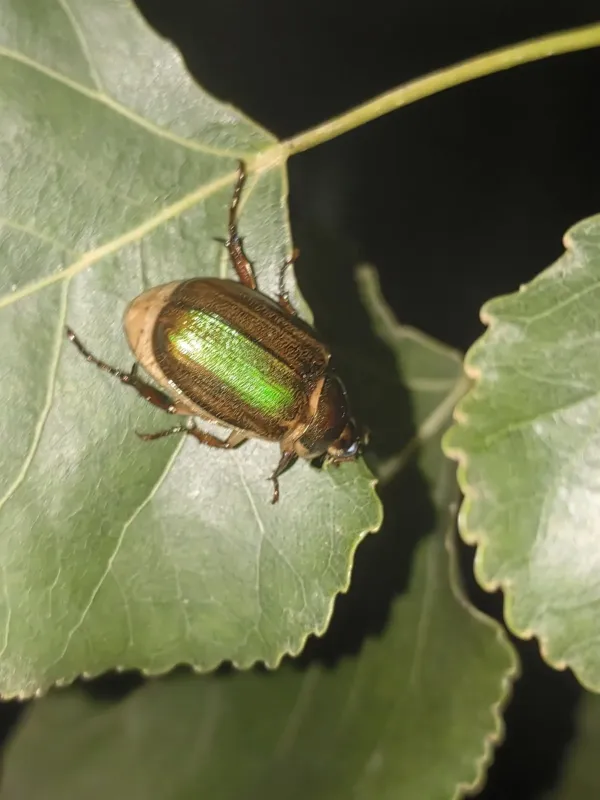
Description
How to identify
Anomala corpulenta is a species of beetle belonging to the order Coleoptera and the family Scarabaeidae. These beetles are typically 15–20 mm long with a rounded, convex body shape characteristic of the subfamily Rutelinae.
The coloration of the adult beetle ranges from yellowish-brown to dark reddish-brown, often displaying a faint metallic luster. The larval stage, known as a grub, features a white C-shaped body and a well-developed, chitinized head capsule.
What it damages
This pest is known as a significant polyphagous insect, causing economic damage to crops such as soybeans, maize, peanuts, and various fruit trees. Adult beetles primarily feed on the foliage of host plants, leading to severe defoliation.
The subterranean larvae, or grubs, are the most destructive stage for crop health. They actively feed on the root systems of young plants, causing reduced vigor, nutrient deficiency, and sometimes complete plant mortality.
When it appears
The life cycle of Anomala corpulenta is generally completed within one year, though it can vary based on local climatic conditions. Adult emergence typically occurs in mid-summer, coinciding with the peak vegetative growth phase of soybeans.
Adults are nocturnal and tend to remain hidden within the soil or under surface debris during daylight hours. This behavior complicates monitoring efforts, as significant damage often goes unnoticed until substantial leaf loss has already occurred.
Signs of infestation
The primary symptom of adult feeding is the skeletonization of leaves, where the soft tissues between the veins are consumed, leaving only the structural framework. Heavy infestation significantly impairs the plant's photosynthetic capacity.
Root damage manifests as sudden wilting or yellowing of the plants. If a plant is easily pulled from the soil, the presence of damaged or absent roots, often accompanied by the C-shaped grubs in the soil, confirms the infestation.
Control measures
Effective management strategies include cultural practices like crop rotation, which is essential to disrupt the beetle's life cycle. Avoiding monoculture reduces the buildup of larval populations in the soil over time.
Deep autumn tillage can help physically damage the overwintering larvae and expose them to predators. In cases of severe infestation, soil-applied insecticides during planting or foliar applications against adults are recommended.
Taxonomy
- Latin name
- Anomala corpulenta
- Order
- Coleoptera (beetles)
- Family
- Scarabaeidae
- EPPO code
- ANMLCP
Discussion
No discussions yet — be the first.