
Grape gall midge
Ampelomyia vitispomum
Description
How to identify
The grape gall midge (Ampelomyia vitispomum) is a tiny insect belonging to the order Diptera and the family Cecidomyiidae. Adult midges are small, delicate flies with long legs and antennae, which are rarely noticed by growers due to their size and cryptic behavior.
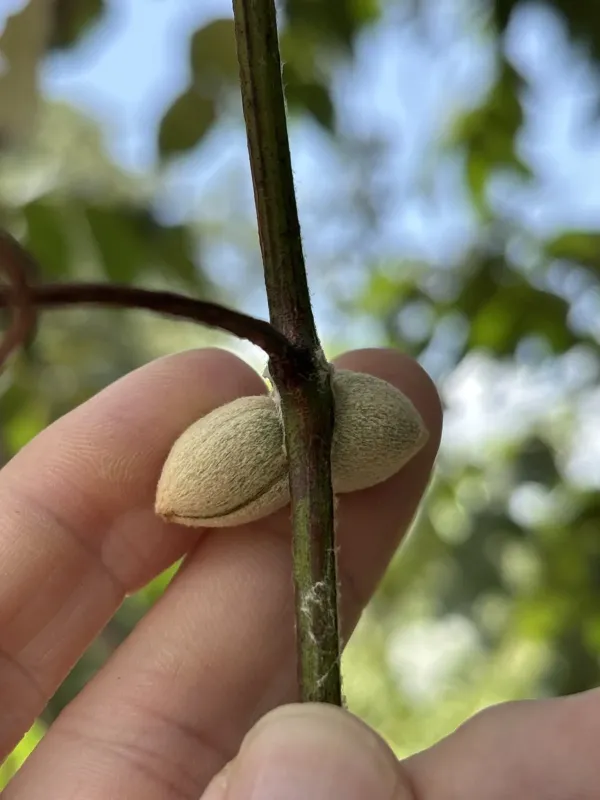
The primary concern for viticulturists is the larval stage, which develops inside specialized plant structures known as galls. These galls are distinct, often spherical or oval growths on the leaves or stems, created by the larvae's interaction with the vine's tissues.
The species is highly specialized, meaning its lifecycle is strictly synchronized with the phenology of the grapevine. Because they are rarely seen outside their protective galls, identification is almost entirely based on the presence of these characteristic plant growths.
As members of the Cecidomyiidae family, these midges are known for their ability to induce abnormal plant growth. Their evolutionary success depends on their ability to hijack the vine's nutrient transport system to feed their developing larvae.
The lifecycle consists of egg, larva, pupa, and adult stages. Depending on the climatic conditions and the region, there may be one or several generations per year, making early detection a critical component of vineyard management.
##damage##The primary hosts for the grape gall midge are both cultivated (Vitis vinifera) and various wild grape species. The larvae prefer the most succulent and active tissues, particularly young leaves and sometimes tendrils, where they can feed easily.
When the larvae hatch and start feeding, they release secretions that trigger the plant to develop a gall. This growth acts as both a source of concentrated nutrients and a protective shelter, shielding the larvae from predators and environmental stress.
The presence of galls disrupts the normal physiological functions of the leaves. Specifically, it impairs photosynthesis and blocks the localized transport of sugars and other nutrients, which can weaken the affected leaves and the plant as a whole.
While an individual gall causes minimal harm, heavy infestations can lead to significant leaf deformation and premature senescence. This reduction in the active photosynthetic area can affect the overall vigor of the vine and the quality of the grape harvest.
In young vineyards or nursery stock, severe gall midge pressure can hinder the development of new shoots, potentially leading to stunted growth if left unmanaged over multiple seasons.
##season##The activity of adult midges usually begins in the spring, coinciding with the bud break and the emergence of new, tender leaves. This timing is essential for the females to find suitable sites for egg-laying.
The peak period for gall development occurs during the summer months, as the larvae feed and grow within their protective structures. It is during this time that the damage becomes most visible to the grower during regular inspections.
As autumn approaches, the larvae finish their feeding phase and prepare for pupation. Depending on the species, they may overwinter inside the dried galls that fall to the ground or within the top layer of the soil beneath the vines.
Environmental factors such as temperature and humidity significantly impact the success of each generation. A warm, humid spring often favors higher survival rates and faster population growth for the early generations.
By understanding these seasonal patterns, growers can focus their monitoring efforts on periods when the adult population is active or when the larvae are most vulnerable before they successfully induce mature galls.
##signs##The most reliable sign of a grape gall midge infestation is the appearance of distinct galls on the leaves. These structures often look like small, bumpy growths and can be green, yellow, or even reddish-purple, depending on the variety.
- Significant curling or puckering of the leaf surface around the gall sites.
- Presence of hollow cavities inside the galls, which may contain tiny, pale-colored larvae upon dissection.
- Yellowing of leaf tissue surrounding the gall as the plant's metabolic processes are disrupted.
- Reduced vigor or delayed growth in heavily infested shoots during the summer.
If you examine the underside of the leaves, you may notice tiny puncture marks or the openings of the galls, which indicate where the larvae or adults have been active.
Early identification of these signs is vital. Differentiating these galls from other pests like phylloxera is important, as the control methods and biological responses differ significantly.
##control##Cultural control is the most effective approach for managing the grape gall midge. This includes the collection and destruction of fallen leaves and debris in the autumn to eliminate overwintering sites for the pupae.
Chemical control can be used, but timing is critical. Systemic insecticides are most effective when applied just before or during the initial larval hatching period, as the larvae are exposed before they are completely encased within the protective gall tissue.
Encouraging biological control agents, such as predatory insects or parasitic wasps that naturally attack the midge larvae, can help stabilize the population in sustainable or organic vineyard systems.
Maintaining strong plant health through proper irrigation and nutrition increases the vine's tolerance to gall midge damage, allowing it to continue growing even when some leaves are affected.
In small gardens or young vineyards, hand-picking and destroying infested leaves at the very first sign of gall development can successfully halt the population's expansion without the need for broad-spectrum chemical interventions.
Taxonomy
- Latin name
- Ampelomyia vitispomum
- Order
- Diptera (flies)
- Family
- Cecidomyiidae
- EPPO code
- SCHMPO
Discussion
No discussions yet — be the first.