
Grape gall midge
Ampelomyia
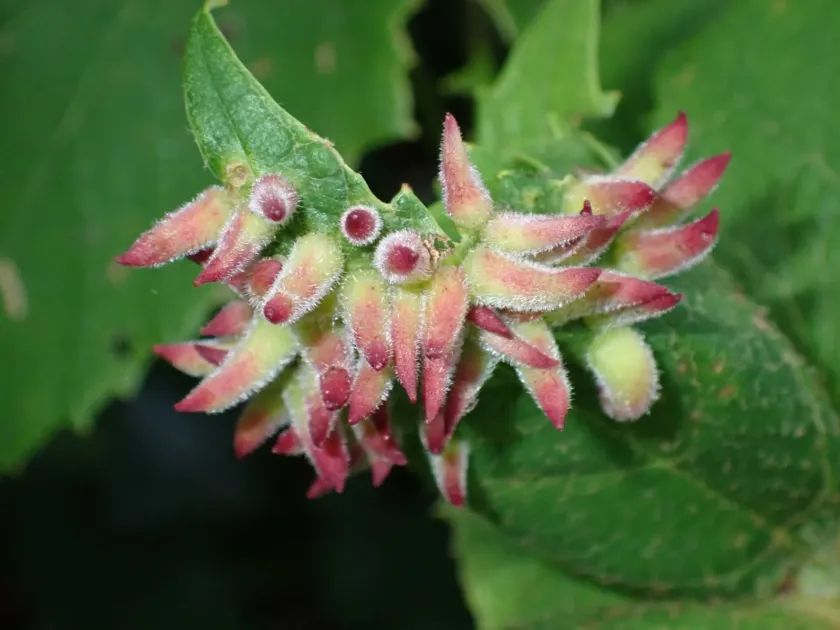
Description
How to identify
The grape gall midge (Ampelomyia viticola) belongs to the Cecidomyiidae family, order Diptera. These are tiny flies, often referred to as gall midges, known for their specific larval development.
Adult midges are extremely small, usually measuring 2–3 mm in length. They are delicate insects with long legs and antennae, making them nearly invisible to the naked eye in a vineyard.
The lifecycle consists of egg, larva, pupa, and adult stages. The larvae are the main destructive stage, residing inside galls on host plants until they pupate.
The species can have multiple generations per year, depending on climatic conditions, which allows the population to increase rapidly if conditions are favorable.
Overwintering occurs as pupae or larvae in the soil or within leaf litter, which makes sanitation practices a critical component of pest suppression.
What it damages
The primary host for this pest is the common grapevine (Vitis vinifera). The midge focuses its attack on the youngest, most succulent tissues of the plant.
Infestations are concentrated on the leaves. The larvae trigger the plant to produce abnormal tissue growth around them, creating protective chambers known as galls.
This biological manipulation diverts nutrients from the plant's normal growth processes, leading to stunted leaf development and reduced photosynthetic capacity.
While a light infestation may not kill the vine, persistent damage over several seasons can lead to weakened plants and lower fruit yields.
Reduced vine vigor also impacts the wood's ability to harden properly before winter, increasing susceptibility to cold-related injuries.
Signs of infestation
The most visible sign of an infestation is the appearance of small, distinct galls on the leaves. These structures vary in shape but often look like tiny cones or protrusions.
The affected leaves show visible distortion, curling, or thickening where the gall tissues have developed compared to the surrounding healthy leaf tissue.
Often, the color of the leaf tissue around the gall changes, appearing reddish, yellow, or pale compared to the rest of the dark green leaf surface.
Inspecting the underside of the leaves usually reveals the presence of these small growths, each containing one or more small, light-colored larvae.
Heavy infestations result in a general reduction of the canopy health, premature leaf yellowing, and potential drop of foliage before the natural end of the season.
Control measures
The primary cultural control method is the physical removal and destruction of infested leaves as soon as galls are identified, preventing further spread of the larvae.
Deep cultivation of the soil around the base of the vines in autumn helps to disturb or bury overwintering pupae, significantly reducing the next season's population.
In commercial vineyards with high pest pressure, systemic insecticides may be necessary to target larvae protected within the gall tissues.
Maintaining strong plant health through proper fertilization and pruning creates an environment where vines are more resilient to minor pest attacks.
- Regular scouting of vineyards during the spring and early summer.
- Removal and burning or disposal of leaf debris during fall cleanup.
- Strategic application of insecticides targeting the larval development stages.
Taxonomy
- Latin name
- Ampelomyia
- Order
- Diptera (flies)
- Family
- Cecidomyiidae
- EPPO code
- AMPMSP
Discussion
No discussions yet — be the first.