
Ametastegia
Ametastegia
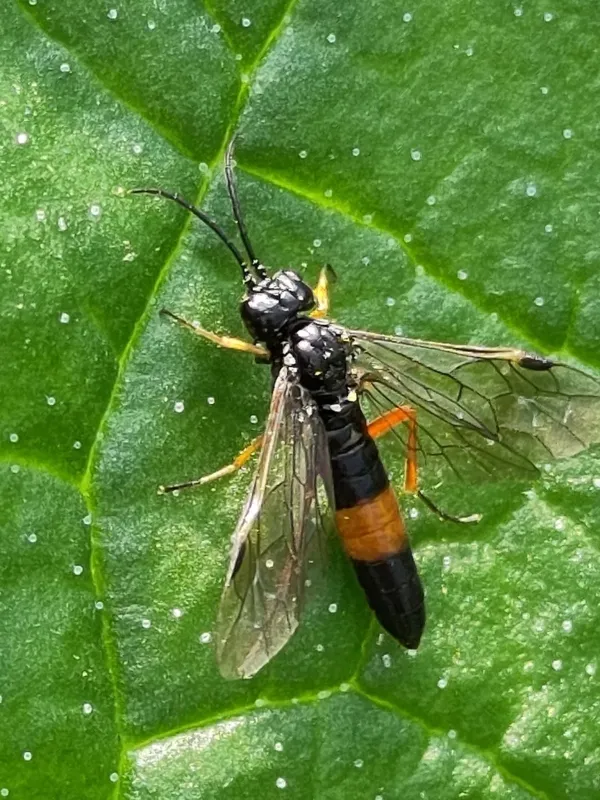
Description
How to identify
Ametastegia is a genus of insects belonging to the Tenthredinidae family within the order Hymenoptera. Known commonly as a type of sawfly, these insects have a specialized morphology that allows them to thrive in various orchard environments.
The adults are small, often inconspicuous insects. Their life cycle consists of complete metamorphosis: egg, larva (often called a false caterpillar or slug-like larva), pupa, and adult. The larval stage is the one responsible for the feeding damage observed on plants.
Distinguishing Ametastegia larvae from other lepidopteran larvae is crucial. Sawfly larvae typically have more pairs of prolegs, and they often exhibit distinct behavior, such as curling into a spiral shape when disturbed, which is a key identification feature.
Their coloration is usually adapted to the foliage they inhabit, featuring various shades of green, which serves as a primary camouflage mechanism against avian predators and parasitic wasps.
Understanding their seasonal appearance is vital for monitoring programs, as the adult activity period is usually short, while the larval feeding window lasts for several weeks during the active growth phase of the trees.
What it damages
Ametastegia primarily targets members of the Rosaceae family, including apple, pear, and plum trees. They are known to cause both cosmetic and structural damage, impacting the overall health and vigor of the tree.
The larvae feed on leaf tissue, creating irregular holes and consuming the leaf blade until only the vascular system remains. This reduction in photosynthetic area weakens the tree and can lead to stunted growth if left unmanaged.
Some species of Ametastegia are notorious for damaging developing fruit. They tunnel into the skin and flesh, creating unsightly blemishes and providing entry points for secondary pathogens like fungi and bacteria, leading to fruit rot.
Young trees in nursery settings are particularly susceptible to severe defoliation. A significant loss of leaf area early in the season can hinder the tree's ability to store energy for winter, reducing its cold hardiness.
While often considered a secondary pest compared to larger fruit-boring insects, population outbreaks can cause substantial economic losses in commercial orchards, necessitating early detection and intervention.
When it appears
Adult emergence typically coincides with the blossoming of host trees in the spring. Mating occurs shortly after, followed by the female laying eggs in incisions made on the undersides of leaves.
The incubation period lasts for approximately one to two weeks, after which the larvae hatch and immediately begin feeding. The peak of larval activity is generally observed during the warmer summer months.
Upon reaching maturity, the larvae seek out protected sites to pupate. These locations often include crevices in the tree bark, plant debris on the orchard floor, or the upper layers of the soil beneath the canopy.
Depending on geographical location and climate, there may be one or two generations per year. The second generation is often responsible for late-season damage on fruit that is nearing maturity.
The overwintering stage is usually a prepupa within a silken cocoon. This life stage is highly resilient to winter conditions, ensuring the survival of the population through the dormant season.
Signs of infestation
The most recognizable sign of Ametastegia infestation is the presence of irregular, notched, or fully skeletonized leaves. If you see leaves that look like lace, it is a strong indication of sawfly activity.
Dark granular droppings, known as frass, found on the foliage or on the ground beneath the branches are definitive evidence of feeding larvae, even if the insects themselves are currently hidden from view.
Visual observation of the larvae themselves is another sign. They are frequently found on the undersides of leaves, and their characteristic defensive behavior of curling up when touched makes them easy to spot.
Damaged fruit may show small, brownish entry holes, often surrounded by necrotic tissue. These areas of infection can expand rapidly, leading to the decay of the affected fruit.
Premature leaf drop during mid-summer, when the trees should be at their most lush, is a significant symptom that warrants further investigation for pests like Ametastegia, especially if other signs of infestation are present.
Control measures
Cultural control is the first line of defense. Keeping the orchard floor free of leaf litter and debris reduces the number of suitable pupation sites, thereby decreasing the next generation's population.
Soil cultivation in the late fall or early spring can help disturb the overwintering pupae, exposing them to predators and harsh weather conditions, which significantly lowers their survival rate.
Biological control options include the use of microbial insecticides such as those based on Bacillus thuringiensis, which are highly effective against sawfly larvae while preserving beneficial insect populations.
Chemical control should be used as a last resort and integrated into a broader pest management plan. Always choose products that have a low impact on pollinators and observe required pre-harvest intervals.
- Regular monitoring of foliage during the bloom and post-bloom periods.
- Installation of sticky traps for detecting adult sawfly presence.
- Encouraging natural predators such as predatory bugs and parasitic wasps.
- Selective pruning of heavily infested branches to reduce local pest density.
Taxonomy
- Latin name
- Ametastegia
- Order
- Hymenoptera
- Family
- Tenthredinidae
- EPPO code
- AMETSP
Discussion
No discussions yet — be the first.