
Alurnus
Alurnus
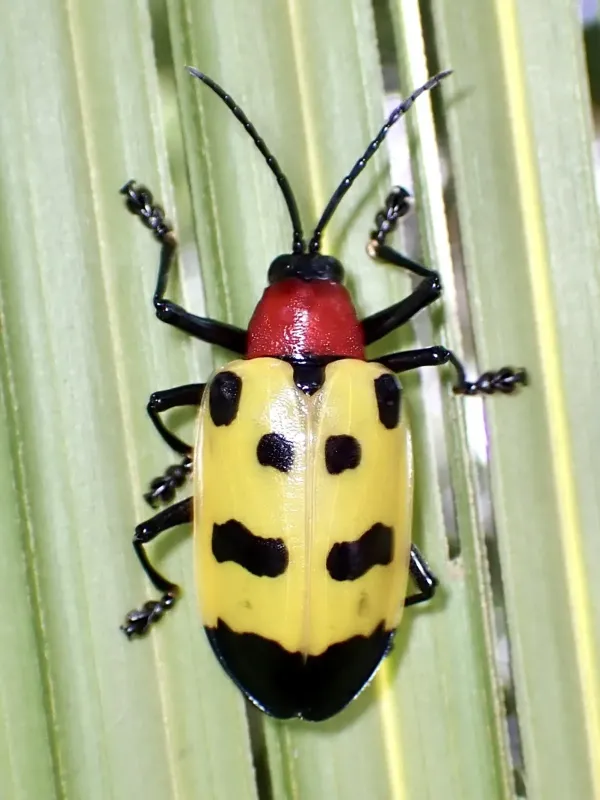
Description
How to identify
Alurnus is a genus of beetles belonging to the family Chrysomelidae, specifically known as leaf beetles. These insects are significant pests for various tropical palm species, characterized by their distinct flattened body shape and often vibrant warning coloration, ranging from black to reddish-orange.
Systematically, they are grouped within the subfamily Hispinae. Their anatomy allows them to thrive in the complex microhabitats of palm crowns, where they utilize tight spaces between folded leaves for protection against predators and harsh environmental conditions.
The life cycle of the Alurnus beetle follows a complete metamorphosis: egg, larva, pupa, and adult. Females typically oviposit on the surface of tender palm fronds, ensuring that larvae have an immediate food source upon hatching.
The larval stage is particularly adapted for concealment, with flattened bodies that facilitate movement within leaf tissues. These larvae are specialized feeders, creating mines as they consume the internal parenchyma, which makes them difficult to target without systematic inspections.
Pupation occurs in close proximity to the feeding site, often within the shelter of damaged leaf structures. The speed of the life cycle is strictly regulated by environmental factors, allowing for multiple generations per year in favorable tropical climates.
What it damages
The primary hosts of Alurnus include economically important palms such as the coconut palm (Cocos nucifera) and oil palm (Elaeis guineensis). Both juvenile and mature trees are susceptible to significant injury from these beetles.
Adult beetles feed primarily on the epidermis and parenchyma of young, unfurled leaves. As these leaves expand, the damage becomes visible as large, irregular perforations, which significantly impair the plant's photosynthetic efficiency.
Larval feeding causes severe structural damage to the foliage. By excavating internal galleries within the leaf blades, they disrupt the transport of nutrients and lead to leaf necrosis, which can cause premature drying and weakening of the entire canopy.
Persistent infestations lead to a marked reduction in fruit production and quality. In severe cases, the constant physiological stress caused by the loss of foliage can stunt growth or lead to the mortality of young plantation seedlings.
Furthermore, the physical wounds inflicted by Alurnus serve as entry points for various pathogens, including fungi and bacteria, which can exacerbate the decline of the host tree and result in systemic plantation losses.
Control measures
Management of Alurnus requires an Integrated Pest Management (IPM) approach, prioritizing regular surveillance of palm plantations. Early detection of larval clusters is crucial for preventing widespread outbreaks.
Biological control remains the most sustainable strategy. Encouraging the population of natural parasitoids and predators, which prey on Alurnus eggs and larvae, is a cornerstone of maintaining ecological balance in palm orchards.
Chemical intervention should be reserved for periods of high pressure where economic thresholds are exceeded. Systemic insecticides applied via trunk injection or crown spraying are effective in reaching the larvae that are protected within the leaf tissues.
Good agricultural practices, such as maintaining optimal soil fertility and hydration, are essential for tree vigor. Stronger trees possess better compensatory growth mechanisms, allowing them to withstand and recover from pest damage more effectively.
Strict quarantine protocols during the trade and transport of palm plant materials are vital to prevent the spread of Alurnus to non-infested areas, safeguarding regional agriculture from this invasive threat.
Taxonomy
- Latin name
- Alurnus
- Order
- Coleoptera (beetles)
- Family
- Chrysomelidae
- EPPO code
- ALURSP
Discussion
No discussions yet — be the first.