
Adoryphorus
Adoryphorus
Description
How to identify
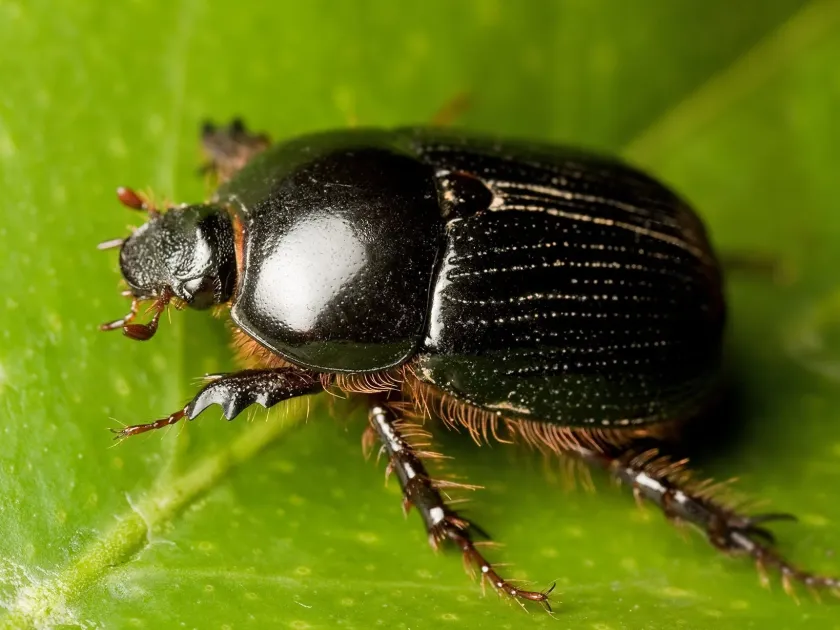
Adoryphorus is a genus of scarab beetles, with Adoryphorus couloni being the most recognized species, commonly known in Australia as the redheaded pasture cockchafer or black beetle.
The adult beetle is approximately 12–15 mm long, characterized by a shiny black or dark-brown exoskeleton and a robust, oval-shaped body typical of the Scarabaeidae family.
The larval stage, which causes the most damage, is a white grub with a soft, C-shaped body and a hardened, brownish head capsule equipped with strong mandibles.
The life cycle involves complete metamorphosis, where the larvae live entirely underground, feeding on decaying organic matter or living plant roots depending on their stage.
Distinguishing Adoryphorus from other soil-dwelling grubs requires examining the specific patterns on the raster (the underside of the last abdominal segment) of the larvae.
What it damages
Adoryphorus larvae are significant pests that cause severe damage to pasture grasses, cereal crops, and various vegetable crops, including potatoes.
The larvae feed on the roots of plants, severing them from the soil, which results in the wilting and eventual death of the affected plant.
In potato cultivation, the grubs can burrow into developing tubers, creating holes and channels that significantly reduce the market value and storage life of the crop.
Cereal crops are particularly vulnerable during the seedling stage, where root damage prevents efficient nutrient and water uptake, leading to patches of stunted growth.
Because the damage occurs below the ground, it often remains undetected until the crop shows signs of severe stress or widespread yellowing across the field.
When it appears
Adult beetles typically emerge during the warmer months, often triggered by rainfall, for mating and egg-laying processes in moist, organic-rich soil.
The larvae are most active during the cooler, wetter periods of the year when they migrate through the upper soil layers to feed on the roots of host plants.
The complete life cycle, from egg to adult, usually takes about 12 months, with larvae overwintering deep in the soil profile to survive temperature extremes.
The timing of root damage often coincides with the germination and early growth phases of various crops, making this period the most critical for monitoring.
Seasonal weather patterns significantly influence the survival rate and population density of the beetle, with prolonged droughts often reducing larval activity.
Signs of infestation
The first visual sign of an Adoryphorus infestation is the presence of brown, dying patches in fields or lawns that do not respond to additional irrigation.
Plants affected by larval feeding can be easily pulled from the ground because their root systems have been pruned or completely consumed by the grubs.
Upon inspecting the soil in the root zone, one can find the characteristic C-shaped larvae, confirming the presence of this specific pest.
Tubers or roots showing circular indentations or hollows provide strong evidence of recent feeding activity by the Adoryphorus larvae.
Large numbers of adult beetles attracted to artificial lights at night often indicate a high local population density, signaling a risk of egg-laying for the next season.
Control measures
Management of Adoryphorus relies heavily on integrated pest management (IPM) practices to maintain populations below the threshold of economic injury.
Crop rotation is one of the most effective cultural controls, as avoiding host crops for several seasons helps break the life cycle of the beetle.
- Deep cultivation of soil to expose larvae to birds and harsh surface environmental conditions.
- Application of biological control agents such as entomopathogenic fungi or specialized nematodes.
- Use of soil-applied insecticides in furrow at the time of planting for immediate protection.
- Frequent field monitoring and soil sampling to determine the necessity of chemical interventions.
Chemical control must be applied strategically, targeting the younger larval stages which are more susceptible to insecticidal treatments before they go deeper into the soil.
Maintaining soil health and promoting vigorous root development can help crops compensate for minor damage caused by light infestations.
Taxonomy
- Latin name
- Adoryphorus
- Order
- Coleoptera (beetles)
- Family
- Scarabaeidae
- EPPO code
- ADOYSP
Discussion
No discussions yet — be the first.