
Acrothinium
Acrothinium
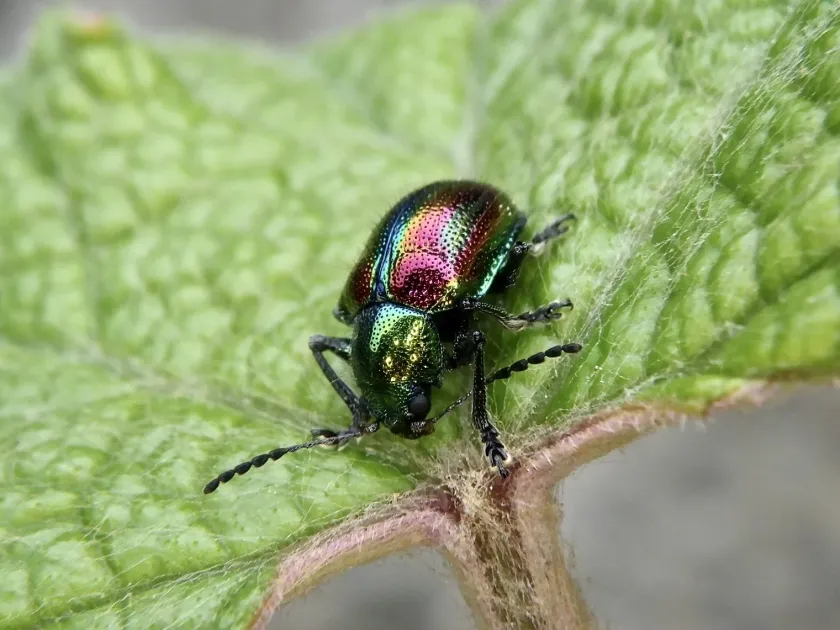
Description
How to identify
Acrothinium is a genus of beetles belonging to the Scarabaeidae family, characterized by a robust body structure typical of chafers and scarab beetles.
Adult beetles are often distinguished by a metallic sheen on their elytra, making them recognizable during field inspections of infested foliage.
The larvae follow the common C-shaped morphology seen in scarabs, featuring a pale, soft body and a hardened, dark head capsule with strong mandibles.
Taxonomically, they are members of the order Coleoptera, known for their specific feeding behaviors during different stages of their life cycle.
Correct species identification usually requires expert examination of genital traits, as external physical characteristics can overlap among related species.
What it damages
This pest primarily attacks the roots of perennial herbs, young shrubs, and saplings in both forested areas and managed horticultural gardens.
Larvae remain hidden within the soil, feeding on root hairs and fine root systems, which leads to stunted growth and reduced vigor of the host plant.
When larval populations reach high density, they can sever main structural roots, which is often fatal for young plants in nursery settings.
Adult beetles contribute to damage by feeding on leaves, creating irregular holes and sometimes skeletonizing the foliage during their active period.
Large-scale nurseries are particularly vulnerable, as the localized concentration of young plant material provides ideal conditions for rapid infestation.
When it appears
The development of Acrothinium is highly dependent on seasonal soil temperatures and moisture availability throughout the year.
Adult emergence typically occurs during the warmer months, often coinciding with the prime growing season of the plants they infest.
Larvae are active throughout the growing season, showing high mobility within the soil profile depending on moisture and temperature fluctuations.
Increased feeding activity is most prominent in the spring after soil warming and again in late summer as larvae prepare for overwintering.
Since the life cycle is multi-annual, larvae of different instars are often present in the soil simultaneously, necessitating continuous monitoring.
Signs of infestation
Sudden wilting of foliage, despite adequate irrigation, is the most common early indicator of severe root damage caused by larval feeding.
Disturbed or loose soil around the base of the plant often reveals the presence of tunnels and activity of soil-dwelling larvae.
Characteristic irregular chewing marks on the leaves provide clear evidence of adult beetle feeding, usually occurring during nocturnal hours.
Lack of vertical growth or general failure to thrive in young saplings is often a sign of underlying subterranean pest pressure.
Plants that can be pulled easily from the soil often indicate that the root system has been severely compromised by larval activity.
Control measures
Deep cultivation or plowing is an effective mechanical method to expose larvae to natural predators like birds and environmental stressors.
Soil-incorporated insecticides are recommended for immediate suppression of high populations in infested areas during the peak activity months.
Effective weed management is essential as it removes secondary food sources for adults and eliminates favorable sites for egg-laying.
Biological control using entomopathogenic nematodes or fungi provides a sustainable way to target larvae in the soil without damaging the crop.
- Use light traps to monitor and reduce adult beetle populations.
- Ensure proper irrigation to help plants recover from root-level damage.
- Apply mulch to create a physical barrier against female egg-laying attempts.
Taxonomy
- Latin name
- Acrothinium
- Order
- Coleoptera (beetles)
- Family
- Chrysomelidae
- EPPO code
- ACRTSP
Discussion
No discussions yet — be the first.