
Soybean cyst nematode
Heterodera glycines
Description
How to identify
The soybean cyst nematode (Heterodera glycines) is a microscopic soil-borne parasite belonging to the family Heteroderidae, responsible for significant economic losses in global soybean production.
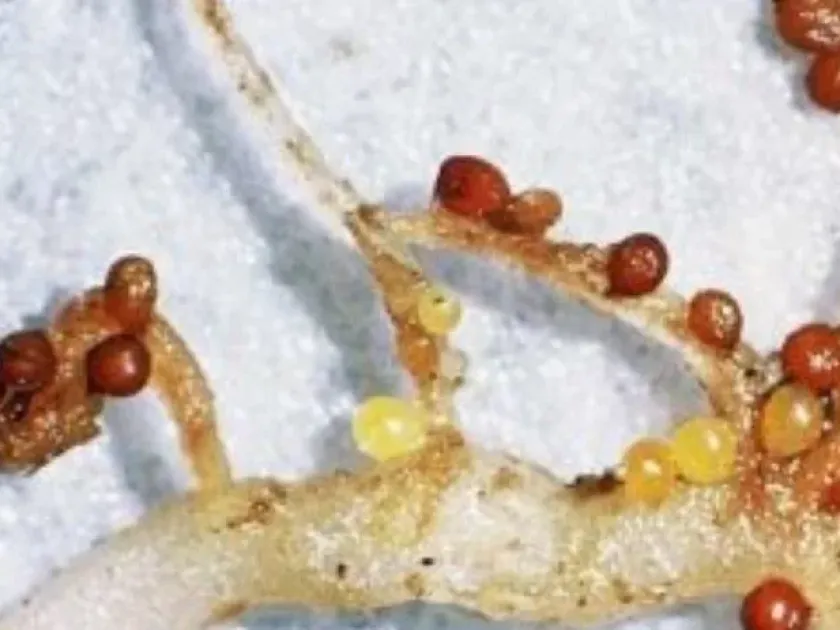
Adult females of this species become swollen, lemon-shaped, and eventually transform into hardened, brown cysts that protect eggs for long periods in the soil.
The J2 stage, or the second-stage juvenile, is the infective form that actively seeks out and penetrates the root tips of soybean plants.
Taxonomically, it is highly specialized, meaning its life cycle is intricately linked to the presence and availability of suitable host plant roots.
The presence of this nematode is often confirmed through laboratory soil sampling, which detects cyst density and confirms the species identity.
What it damages
While soybeans are the primary host, the nematode can also impact other leguminous species, which affects the planning of crop rotations in infested areas.
The nematode feeds by penetrating the vascular tissue of the roots, creating specialized feeding sites called syncytia that divert nutrients away from the plant.
Root damage caused by the nematode leads to chlorosis, stunted plant growth, and a significantly reduced capacity to fix nitrogen from the air.
Plants infested with Heterodera glycines are more susceptible to other soil-borne diseases, such as sudden death syndrome or root rots.
Economic damage is cumulative; if left unmanaged, the nematode population will increase exponentially, eventually making it impossible to produce a profitable soybean crop.
When it appears
The life cycle is triggered by soil temperatures rising to approximately 15°C (59°F), which signals juveniles to emerge from their protective cysts.
Depending on environmental conditions and moisture levels, the nematode can complete a single generation in as little as 24 to 30 days during the growing season.
Multiple generations occur within a single season, leading to massive populations in the root zone by the time the crop reaches reproductive stages.
In mid-summer, when the plants are at their peak demand for water and nutrients, the infestation often results in the most visible field symptoms.
As the season ends and the crop matures, females die and form cysts, which protect their offspring against the harsh winter conditions and seasonal soil variability.
Signs of infestation
The most common sign in the field is the appearance of stunted, yellowing plants in irregular patches, which often grow in size over successive years.
Visual identification requires carefully digging up the roots and washing the soil off to look for small, white to yellow cysts clinging to the root structure.
Severe infestations often result in a poor root system characterized by a lack of lateral branches and a significant decrease in nodule formation.
During the flowering and pod-filling stages, infected fields may show pronounced canopy gaps where plants have failed to develop properly.
Early plant death or severe foliage wilting during mid-season drought conditions is a common indicator of high nematode pressure affecting root functionality.
Control measures
Management is centered on the integration of resistant soybean varieties, which are specifically bred to reduce the reproduction of the nematode.
Long-term rotation with non-host crops like corn or wheat is essential to lower the overall population of cysts in the soil profile.
Strict sanitation measures, such as washing equipment before moving from infested fields to clean ones, are crucial to prevent further dissemination.
The use of seed treatments containing nematicides or biological agents can provide early-season protection to seedlings as they establish their root systems.
Regular soil testing is the most important management tool, as it allows farmers to monitor nematode levels and make informed decisions on variety and rotation selection.
Causes diseases · 1
Discussion
No discussions yet — be the first.