
Hop cyst nematode
Heterodera humuli
Description
How to identify
The hop cyst nematode is caused by the cyst-forming nematode Heterodera humuli. It is a highly specialized plant-parasitic nematode belonging to the phylum Nematoda. This pathogen leads an endoparasitic lifestyle, specifically targeting the root system of hop plants.
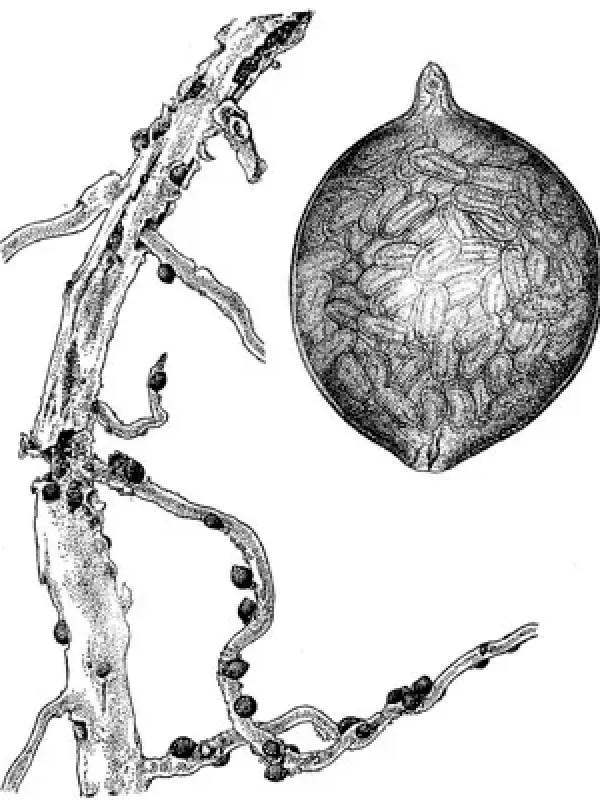
Adult females of the nematode are lemon-shaped and, after death, form tough, protective structures known as cysts. These cysts can persist in the soil for many years, shielding the eggs and larvae from adverse environmental conditions, which makes management extremely difficult.
The nematode life cycle involves metamorphosis. Second-stage juveniles emerge from the cysts, actively penetrate the roots of the host plant, undergo several molts, and eventually develop into sedentary females that protrude from the root surface.
Identification requires microscopic examination of the cyst cuticle structure and morphometric measurements of the larvae. The species is an obligate parasite that relies on specific chemical signals from hop roots to trigger its developmental cycle.
Dissemination primarily occurs through the transport of infested plant materials (rhizomes) or via soil particles carried by agricultural machinery, equipment, or surface water runoff.
What it damages
The primary host for this nematode is the common hop (Humulus lupulus). The parasite can also infect common nettle (Urtica dioica), which serves as a reservoir for the infection in wild habitats surrounding commercial hop yards.
Infestation leads to severe inhibition of the hop plant's vegetative growth. The root system loses its functionality, effectively reducing the plant's ability to uptake water and essential mineral nutrients from the soil.
Under heavy infestation, there is a significant reduction in hop cone yield and a decline in overall quality. Furthermore, the stressed plants become less winter-hardy and more susceptible to secondary environmental stresses.
In the field, infestation sites often manifest as patches of stunted, chlorotic plants that lag significantly in development compared to healthy specimens in the same field.
Root damage caused by feeding nematodes creates pathways for secondary fungal and bacterial pathogens, leading to complex root rot diseases that can accelerate the decline and death of the hop yard.
Signs of infestation
External symptoms of infection include leaf chlorosis and premature yellowing. Due to the disruption of systemic metabolism, the plants appear weak and stunted, especially during critical growth phases like vine elongation and cone development.
The root system appears underdeveloped and stunted. Upon inspection, tiny white or yellowish lemon-shaped bodies — the protruding females of the parasite — may be visible on the surface of the roots.
A typical sign is the restricted growth of vines, which fail to reach their full height, often accompanied by shortened internodes and poor foliage development.
Yield losses in infested areas tend to escalate over successive growing seasons, and if nematode population density becomes high, the plants may suffer complete failure and die off.
Diagnostic confirmation is achieved through laboratory analysis, involving the extraction of cysts from soil samples or root tissues, followed by microscopic identification of the characteristic morphological features.
Control measures
The primary strategy for management is the exclusive use of certified, nematode-free planting material. When establishing new yards, rhizomes must be inspected and sanitized to prevent the introduction of the pathogen.
Crop rotation is critical in managing populations. Allowing a fallow period or planting non-host crops for several years helps deplete the nematode population in the soil naturally.
Improving soil health through organic amendments and balanced fertilization helps the hop plants tolerate the damage caused by the nematodes and supports overall root vitality.
Chemical soil fumigation prior to planting may be an option, but it requires strict adherence to environmental regulations and regional guidelines regarding the use of nematicides.
Ongoing monitoring of root systems and soil testing within the hop yard allows for the early detection of infested patches, enabling targeted management to contain the spread of the pathogen.
Discussion
No discussions yet — be the first.