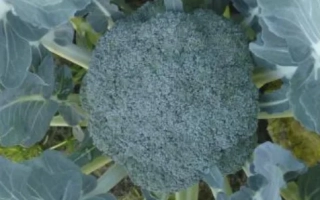
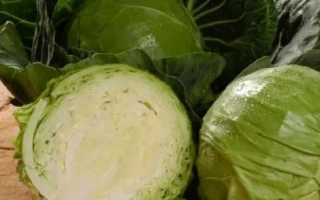
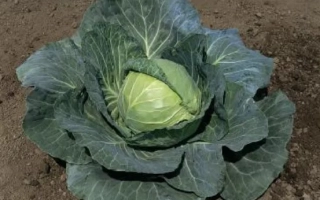
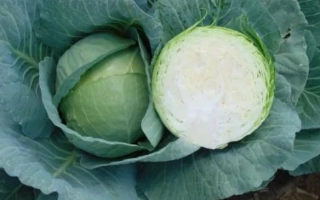
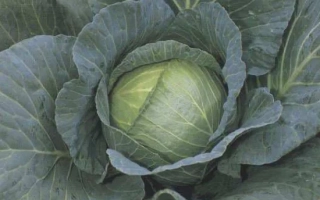
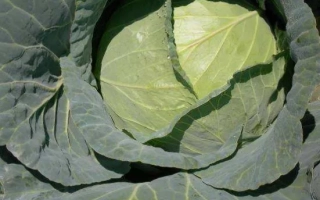
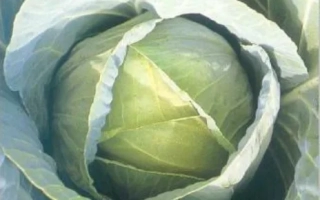
Broccoli Marathon F1 — this is a late hybrid developed by the Japanese company Sakata, characterized by high yield and adaptability to various growing conditions. The plant grows well both in open ground and under cover, preferring moderate climates and is not recommended for areas with high temperatures. The vegetation period is 75 to 85 days, allowing cultivation in spring and autumn seasons. Broccoli heads have a semi-domed or dome-shaped form, green color, and weight from 0.35 to 1 kg, making them suitable for fresh consumption and processing.
The Marathon F1 hybrid has high resistance to diseases, particularly to Perenospora parasitica, ensuring high field health and stable yields. Plantings are characterized by good resilience and maintain head quality even with delayed harvesting, which is important for transportation and storage. Planting density is 36-44 thousand plants per hectare, and fertilization is recommended at a ratio of 120 kg nitrogen, 65 kg phosphorus, and 150 kg potassium per hectare for optimal growth.
Broccoli Marathon F1 is widely used for both fresh market and processing, including freezing and canning. Its average maturation period and high hybrid plasticity allow obtaining high-quality fruits with good marketability. Hybrid seeds weigh approximately 3-4 grams per 1000 seeds, facilitating sowing and harvest planning. Thanks to its characteristics, Marathon F1 is a reliable choice for producers aiming for stable and high-quality broccoli yields.