
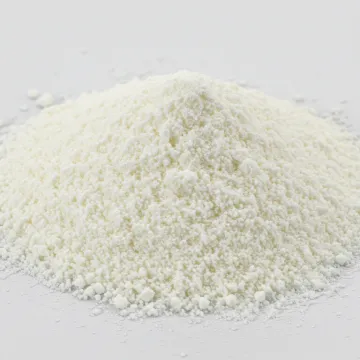
Description
Mode of action
Monopotassium phosphate is a highly effective, water-soluble fertilizer that provides plants with essential phosphorus and potassium, two critical macronutrients for healthy development.
Phosphorus serves as the primary component for energy transfer within plant cells. It is vital for the synthesis of ATP, which powers root growth and the initial stages of vegetative development.
Potassium in this compound regulates metabolic pathways, enhances enzyme activation, and helps manage the osmotic pressure of cell sap to ensure better water retention during dry spells.
The product is highly valued for its lack of chlorine and sodium, making it a safe and versatile choice for sensitive crops, hydroponic systems, and greenhouse production.
By optimizing the ratio of phosphorus and potassium, this fertilizer supports the accumulation of sugars and secondary metabolites, which significantly improves fruit flavor and shelf life.
What it targets
Monopotassium phosphate is primarily used to correct phosphorus deficiencies, which typically manifest as stunted growth and dark, blue-green or purple discoloration on leaves.
It is an excellent tool for managing excessive nitrogen levels, as it helps rebalance the plant's metabolic activity, shifting focus from vegetative overgrowth to flowering and fruit set.
The application is particularly effective for vegetables, berries, and ornamental plants during the critical stages of bud development and fruit maturation.
- Increased resistance to common fungal infections like powdery mildew.
- Better preparation of perennial plants for winter dormancy.
- Development of a strong and extensive root architecture.
Using this fertilizer ensures that the plant has the necessary resources to sustain high-yield performance even under stress conditions like temperature fluctuations or drought.
Rates and timing
For soil application, a concentration of 0.05% to 0.15% (0.5–1.5 grams per liter) is typically recommended to provide adequate nutrients without causing root stress.
Foliar application requires careful dosing, generally kept at 0.1% or lower, to ensure the solution is absorbed effectively without causing damage to the leaf cuticle.
In hydroponics and fertigation systems, the application is strictly monitored based on the plant's life cycle stage to maintain the nutrient balance required for peak performance.
The best timing for application coincides with the flowering and fruit development phases, when the uptake of potassium and phosphorus is at its seasonal maximum.
Late summer applications are recommended for woody perennials to support the hardening of tissues and ensure the plant is well-prepared for colder temperatures.
Restrictions
One of the most important warnings is never to mix monopotassium phosphate with calcium or magnesium-based fertilizers, as they will react to form an insoluble precipitate.
Excessive application may lead to nutrient imbalances, specifically inhibiting the uptake of other essential microelements and potentially causing physiological disorders in sensitive fruits.
Proper storage is essential; the product is hygroscopic and must be kept in a dry, cool environment to prevent moisture absorption and clumping.
It is not recommended for use in highly alkaline soils without pH adjustment, as the availability of phosphorus drops significantly under high pH conditions.
Avoid applying the fertilizer during peak heat or intense sunlight, as the rapid evaporation of the water carrier can lead to concentrated salt accumulation and foliage burn.
Content graph
Connections · Monopotassium phosphate
Most often together:
Marketplace