

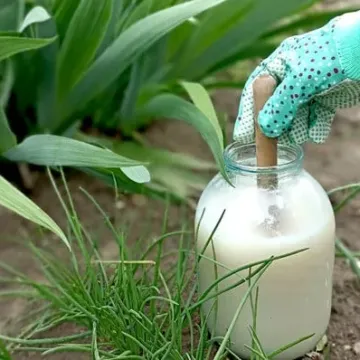
Description
Mode of action
Baker's yeast strain 76 is a specialized group of microbial agents used in agronomy to boost plant vitality and stimulate growth. Composed primarily of Saccharomyces cerevisiae, these yeasts interact with the soil environment to create a symbiotic boost for beneficial microorganisms.
The metabolism of these yeast cells results in the synthesis of vital phytohormones, such as auxins and cytokinins. These substances act directly on the plant's root system, facilitating the development of a strong and extensive root network that absorbs nutrients more efficiently.
These yeasts serve as a source of essential B-group vitamins, amino acids, and enzymes. These organic compounds act as catalysts, accelerating the plant's natural metabolic pathways and increasing its overall resilience to environmental stressors like heat or drought.
By breaking down complex organic molecules, yeast strain 76 promotes the release of phosphorus and potassium trapped in the soil. This transformation into chelated, bioavailable forms ensures that plants receive the nutrition they need for rapid vegetative development.
Application of these yeast cultures significantly improves the aeration and structure of the soil. As the colonies proliferate, they create a more porous soil environment, which is vital for oxygen exchange and water infiltration, leading to healthier crop development.
What it targets
This yeast strain is particularly effective for high-demand vegetable crops such as tomatoes, cucumbers, peppers, and various leafy greens. It is commonly used during the early seedling stage and the intense flowering phase to maximize yield.
It is widely utilized in the cultivation of ornamental plants and flowers to help them overcome the stress of transplanting or pruning. The yeast helps the plants shift their energy towards tissue repair and regeneration.
Small fruit bushes and berries also benefit significantly from the application of this yeast strain. It promotes higher fruit set rates and improves the quality of the berries by ensuring a steady supply of micronutrients throughout the growing season.
The strain is used in soil rehabilitation projects where the ground has become depleted through intensive farming. By revitalizing the soil microbiota, it helps to restore the natural balance and suppress potential pathogenic growth.
In greenhouse settings, where limited space and intensive planting pressure the root environment, strain 76 acts as a vital tool to maintain biological productivity and support consistent plant growth cycles.
Rates and timing
To prepare the solution, the dry yeast must be activated in warm water with a small addition of sugar, which serves as an energy source. The solution should be left to ferment for several hours until a noticeable activity level is achieved before use.
The timing of application must align with warmer weather, specifically when soil temperatures are consistently above +15 degrees Celsius. Applying it to cold soil is ineffective as the yeast cannot maintain active metabolic processes under low-temperature conditions.
Application frequency should be limited to 2-3 times per season to prevent excessive soil acidification and an imbalance in the microbial community. Overuse can cause a rapid decline in the availability of specific minerals like calcium.
The solution is applied directly to the root zone. It is essential to ensure the soil is moist prior to application to avoid any risk of root burn from concentrated solutions, and irrigation should follow the treatment to help distribute the microorganisms.
Integrating yeast treatments with wood ash or calcium-based supplements is a standard agricultural practice. This combination balances the nutrient uptake and prevents the leaching of essential soil minerals caused by the surge in growth.
Restrictions
The primary limiting factor is the ambient and soil temperature. If the temperature falls below +10 degrees Celsius, the metabolic activity of strain 76 drops, and the yeast may instead become an entry point for undesirable fungi.
It is strictly prohibited to mix yeast solutions with chemical fungicides. The chemical agents used to combat fungal diseases will kill the beneficial yeast cultures, rendering the entire agricultural treatment completely ineffective.
It is important to remember that yeast is not a substitute for fertilizer. It optimizes the utilization of existing nutrients in the soil but does not add significant amounts of nitrogen, phosphorus, or potassium on its own.
Excessive use of yeast can lead to a rapid depletion of soil calcium, which is necessary for cell wall integrity. Soil testing or the addition of calcium amendments is recommended for farms relying heavily on microbial stimulants.
Never use expired or improperly stored yeast products. Stale products may harbor opportunistic mold strains that do not provide growth benefits and may introduce diseases or pests into the plant root environment.
Content graph
Connections · Baker's yeast strain 76
Most often together:
Marketplace
Products · 6


Microbiological Fertilizer «Embionik»
Terravita Ukraine
Fertilizers
0
0
·
68
1 offer
5.68 €per 1 kg
Buy


Microbial Fertilizer (EM Series Product, Baikal EM-1)
ТОВ «ЭМ-Корпорація» (Росія
Fertilizers
0
0
·
49
2 offers
1.38 €per 1 kg
Buy
