

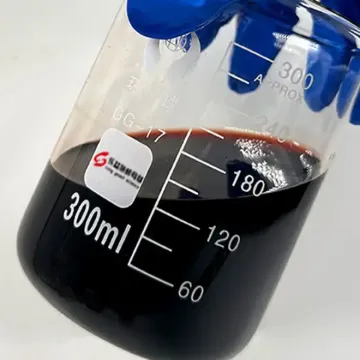
Description
Mode of action
Free amino acids are organic molecules that serve as the fundamental building blocks for protein synthesis in plants. Unlike bound forms, these molecules are immediately available for metabolic processes, sparing the plant from the energy-intensive task of breaking down complex chains.
The primary benefit of free amino acids is their ability to act as high-efficiency biostimulants. By providing pre-synthesized building blocks, they allow plants to focus their metabolic energy on rapid development, blooming, and stress recovery rather than internal synthesis.
These compounds enhance the translocation of micronutrients within the plant. By acting as natural chelating agents, they form stable complexes with essential minerals, ensuring that nutrients pass through the plant's cuticle and cell membranes more effectively.
They regulate various physiological responses, including the production of chlorophyll and phytohormones. This leads to improved photosynthetic rates, stronger cell wall integrity, and better overall crop vitality throughout the growing season.
Free amino acids also contribute to improved quality parameters in harvested goods. They are known to increase sugar content, enhance flavor profiles, and improve the shelf life of fruits and vegetables by maintaining optimal physiological states.
What it targets
Their application is essential during abiotic stress events such as drought, extreme temperature fluctuations, and soil salinity. They help the plant maintain cellular turgor and metabolic stability under adverse environmental conditions.
They are widely used to remediate phytotoxicity caused by herbicide applications. By stimulating the plant’s detoxification mechanisms, they help crops recover from growth inhibition much faster than they would naturally.
Rates and timing
The most effective strategy is to apply amino acids during key developmental stages, such as seedling establishment, rapid vegetative growth, and reproductive phases. Regular applications ensure consistent support during the plant's life cycle.
Foliar application rates typically range from 0.5 to 2.5 liters per hectare. It is crucial to use a high-quality surfactant if necessary to maximize leaf surface absorption and ensure the amino acids reach their targets.
Restrictions
Over-application can lead to imbalances in plant metabolism, potentially causing succulent, weak vegetative growth that may be more susceptible to pests and diseases if the nitrogen content is not properly balanced.
Avoid tank-mixing with products that possess highly reactive chemistry, such as copper-based pesticides, unless specified by the manufacturer, as this may lead to chemical degradation or leaf toxicity.
Content graph
Connections · Free amino acids
Most often together:
Marketplace
Products · 123


FERTEINAGRO BIOTEK
FERTINAGRO BIOTECH S.L., Іспанія
Fertilizers
0
0
·
39
2 offers
0.02 €per 1 kg
Buy


Liquid Chelated Microfertilizers Wonder Leaf
MACOШ MINERAL, LLC
Fertilizers
0
0
·
39
1 offer
3.24 €per 1 kg
Buy

Delfan Plus
TRADE CORPORATION INTERNATIONAL, S.A.U., Inc.
Fertilizers
0
0
·
39
1 offer
89.38 €per pack
Buy

Silver
AGRORESOURCE, SLU (f. Agroresource), Calle Ba
Fertilizers
0
0
·
35
6 offers
19.46 €per 1 kg
Buy


STIMUVAL (brands ALGIVAL, BRESOL, FECUNDONE, PROTIUM 30%, STARTVA
EUROFERTILIZANTES VALENCIANOS S.L.
Fertilizers
0
0
·
87
No offers
—
Details


FERTINAGRO (FERTINAGRO)
FERTINAGRO NUTRIENTES, S.L., Іспанія
Fertilizers
0
0
·
67
No offers
—
Details


Bionutrients-B (Naturamin-B, Naturkel-B, Pleniflor)
DESAARROLO AGRICOLA Y MINERO S.A., SPAIN
Fertilizers
0
0
·
63
No offers
—
Details

Artal Grain
FRANCISKO R. ARTAL, S.L., (Патерна Валенсія Іспанія)
Fertilizers
0
0
·
62
No offers
—
Details


FERTINAGRO (FERTINAGRO)
FERTINAGRO NUTRIENTES, S.L., Іспанія
Fertilizers
0
0
·
59
No offers
—
Details


Organic-mineral fertilizers series AminoKvelant
Компанія "Біоіберіка,S.A.U." (Bioiberica,S.A.U.), Іспанія
Fertilizers
0
0
·
59
No offers
—
Details


Sibus
Фадер Альянс Лтд., Великобританія (Fader Alliance Ltd., England) на заводах Нідерландів, Польщі
Fertilizers
0
0
·
49
No offers
—
Details


Vedjiamino r., fertilizer
FRANCISKO R. ARTAL, S.L., (Патерна Валенсія Іспанія)
Fertilizers
0
0
·
46
No offers
—
Details

JODUO, RK, COMPLEX FERTILIZER
Rotam Agrochemical Company Limited
Fertilizers
0
0
·
44
No offers
—
Details




Terra-Sorb Organic
Компанія "Біоіберіка,S.A.U." (Bioiberica,S.A.U.), Іспанія
Fertilizers
0
0
·
38
No offers
—
Details

