

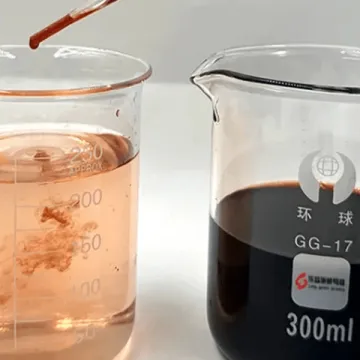
Description
Mode of action
Peptides are short chains of amino acids that serve as highly effective biostimulants for metabolic processes in plant tissues.
Unlike free amino acids, peptides penetrate cells more rapidly and act as signaling molecules that trigger plant defense mechanisms at the genetic level.
These compounds save energy for the plant, as it does not need to synthesize proteins from scratch using inorganic nitrogen sources.
They promote accelerated cell division, root system development, and improved nutrient transport from both soil and leaf surfaces.
Consistent use of peptides optimizes physiological functions, directly impacting fruit quality and the marketability of the final harvest.
What it targets
Peptide application is aimed at mitigating the negative effects of abiotic stresses, such as drought, extreme temperatures, and soil salinity.
They are effectively used to recover crops from chemical stress caused by pesticide exposure or herbicide applications.
Biostimulants help plants overcome physiological dormancy and promote more active seed germination and seedling establishment.
Peptides are used to enhance immunity against infectious diseases by strengthening cell walls and increasing the synthesis of endogenous antioxidants.
Using these formulations helps compensate for energy deficits during periods of intensive fruiting or flowering.
Rates and timing
The optimal application time corresponds to critical growth phases such as tillering, budding, flowering, and grain or fruit filling.
For foliar application, the average rate varies from 0.5 to 2.0 liters per hectare, depending on the concentration of active ingredients and the crop type.
In fertigation systems, rates should be adjusted based on irrigation protocols to ensure even delivery of peptides into the root zone.
The frequency of treatment usually ranges from 2 to 4 times per growing season, with intervals of at least 10–14 days to achieve a prolonged effect.
It is crucial to follow the manufacturer's recommendations for each specific product, as the composition and origin of the peptides affect dosage.
Restrictions
Exceeding recommended doses may lead to excessive vegetative growth at the expense of reproductive development, potentially reducing total yield.
It is not recommended to mix peptide complexes with copper-based fungicides or highly alkaline products, which can cause molecular denaturation.
The efficacy of peptides is significantly reduced in depleted soils suffering from acute deficiencies of essential mineral nutrients (NPK).
Peptides are not a full substitute for complex fertilizers and should be considered strictly as a supplementary tool for intensive crop nutrition.
Under extremely low temperatures, foliar absorption of peptides is slowed down; therefore, applications should be performed within optimal temperature windows.
Content graph
Connections · Peptides
Most often together:
Marketplace
Products · 12


Organomineral Fertilizer «HELPROST»
TOB «БІОТРАНСФЕР», Україна
Fertilizers
0
0
·
51
23 offers
5.32 €per 1 kg
Buy

GRIN HAS (MAROK ALGAREN TWIN, AMINO VJ ANTI-STRESS, NUTRIGRIN
GREEN HAS ITALIA S.p.A., Італія
Fertilizers
0
0
·
50
3 offers
35.05 €per 1 kg
Buy


STIMUVAL (brands ALGIVAL, BRESOL, FECUNDONE, PROTIUM 30%, STARTVA
EUROFERTILIZANTES VALENCIANOS S.L.
Fertilizers
0
0
·
87
No offers
—
Details


