

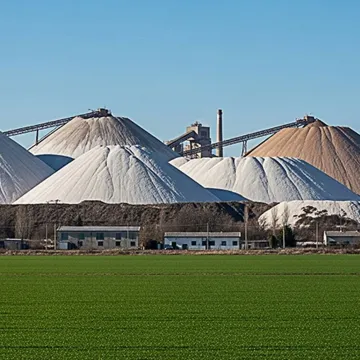
Description
Mode of action
Sodium (Natrium, Na) is not classified as an essential element for all plants; however, for several specific crops, it serves as a functionally beneficial component. In plant biology, it can partially replace potassium in osmotic processes, supporting turgor pressure within cells and assisting in water retention.
One of the key mechanisms of sodium action is its influence on carbohydrate metabolism. It activates enzymes responsible for the transport of sugars from leaves to storage organs like roots or fruits, which is critical for crops such as sugar beets, fodder root crops, and chard.
This element plays an active role in the photosynthetic process by regulating the opening and closing of stomata. As a result, plants adapt better to drought conditions, reducing transpiration rates during high ambient temperatures.
In plant physiology, sodium influences chlorophyll synthesis and helps prevent the premature senescence of leaf tissues. In certain species (e.g., spinach or celery), sodium stimulates more vigorous vegetative growth and enhances the organoleptic properties of the harvest.
It is important to understand that sodium interacts with ion exchange in the soil, affecting the availability of other elements. It can displace potassium from soil colloids, making it more mobile and available to the root system in cases of temporary potassium deficiency.
What it targets
Symptoms of sodium deficiency are not observed in all species but are mainly apparent in halophytes and sodium-responsive crops. A lack of this element results in slowed growth, loss of leaf turgor, especially during daylight hours, and a decrease in total sugar accumulation.
Visually, sodium deficiency resembles potassium starvation signs because the plant's water balance is disrupted. Leaves may take on a dull hue, and in cases of prolonged deficiency, they show a tendency toward marginal necrosis as the plant fails to retain moisture efficiently in its tissues.
Excess sodium poses a significant threat to most agricultural crops, leading to soil salinization. Under conditions of high sodium ion concentration, soil aggregates break down, soil structure deteriorates, and particle agglomeration leads to reduced water permeability and aeration.
Sodium toxicity manifests as marginal leaf burn, curling of the leaf blade, and inhibition of root system development. An excessive content of the element hinders the plant's ability to absorb calcium, magnesium, and potassium, inducing a specific physiological imbalance.
- Sodium stress causes yield reduction.
- Nutrient imbalance at high Na levels.
- Disruption of cell membrane permeability.
- Growth inhibition due to osmotic stress.
Rates and timing
The primary sources of sodium in agronomy include sodium nitrate, sodium chloride (for specific agricultural purposes), and complex mineral fertilizers containing sodium impurities.
The timing of sodium fertilizer application is traditionally linked to the primary soil tillage stage or early spring top-dressing, particularly in soils with low exchangeable potassium content. Sodium nitrate is a fast-acting form often applied during the active growth phase for sodium-loving crops.
Application rates are determined by the results of soil analysis for exchangeable sodium (ESP). Agronomists must strictly ensure that the total sodium content does not exceed the toxicity threshold for the specific crop rotation system.
When applying sodium salts, one must consider their impact on soil acidity. Continuous use of sodium fertilizers without pH monitoring can lead to soil alkalization, requiring periodic application of physiologically acidic fertilizers or gypsum for remediation.
Agrotechnical practices also include leaching irrigation when sodium levels are high to prevent accumulation in the root zone. The use of sodium requires a differentiated approach based on the crop's sensitivity to salinity.
Restrictions
The main limitation of sodium usage is its ability to cause secondary soil salinization. In heavy clay soils, the application of sodium fertilizers is strictly discouraged due to the risk of destroying soil structure and surface crusting after irrigation.
Plants sensitive to chlorides and sodium (such as tobacco, grapes, potatoes, and certain fruit tree species) may experience a sharp decline in produce quality when the element is in excess. Sodium can degrade fruit flavor and decrease shelf life during storage.
It is critical to consider the antagonism between sodium and calcium. High sodium concentrations in the soil solution displace calcium, leading to calcium deficiency in plants, which causes blossom-end rot, fruit drop, and reduced cell wall integrity.
When planning a nutrition program, irrigation water quality must be analyzed. If water contains high concentrations of dissolved sodium salts, the addition of sodium-based fertilizers should be entirely excluded to avoid crop failure.
Sodium is a mobile element that easily leaches from sandy soils; however, it accumulates in dense soils, necessitating periodic gypsum application to neutralize the negative impact on the physicochemical properties of the soil exchange complex.
Reference
Connections · Sodium
Most often together:
Marketplace
Products · 75


Potassium Magnesium-Agro
KIVO-Chepetsk Branch of UCC URALCHEM
Fertilizers
0
0
1 offer
3.59 €per 1 kg
Buy


Organic Fermented Fertilizer (Bio-compost)
Enzym Company
Fertilizers
0
0
3 offers
0.36 €per 1 kg
Buy

Universal Microfertilizer Based on Chelates of Microelements
Scientific-Production Center "Reakom", LLC
Fertilizers
0
0
1 offer
24.45 €per 1 kg
Buy


Kalimag Super TU U 24.2-32377656-001-2004
UkrAgroPromKaliy
Fertilizers
0
0
7 offers
0.4 €per 1 kg
Buy


Alfa-Grou-Ekstra Kukurudza
Production Enterprise – Consulting
Fertilizers
0
0
1 offer
0.14 €за л
Buy

Granulated Superphosphate from Foreign Phosphate Rock
Sumykhimprom
Fertilizers
0
0
5 offers
0.98 €per 1 kg
Buy


Chelated micronutrient fertilizer «Sunny Mix»,
Bionaservice Plus
Fertilizers
0
0
2 offers
4.13 €за л
Buy


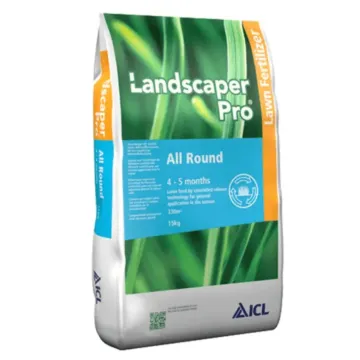
Landscaper Pro (Landscaper Pro)
Everyris International B.V.
Fertilizers
0
0
7 offers
4.48 €per 1 kg
Buy


NANOFEERTI
Interregional Scientific-Production Agribusiness
Fertilizers
0
0
1 offer
6.81 €per 1 kg
Buy


MiniGran DCM Start, MiniGran DCM Vital Green, MiniGran DCM Grass
DCM
Fertilizers
0
0
2 offers
3.32 €per 1 kg
Buy


ABS-P 69 with Boron, granular mineral fertilizer
Компанія «Альвернія» S.A., Польща
Fertilizers
0
0
No offers
—
Details

Dobriva azotno-fosforno-kaliini kompleksni NRK
Gomel Chemical Plant
Fertilizers
0
0
No offers
—
Details


TERRALIT PLUS
ТОВ «ГЕЗЕЛЬШАФТ ФЮР ГНОТОБІОТЕХНИКИ УНД БІОФОРШУНГ» (GESELLSCHAFT FUR GNOTOBIOTECHNIKI UND BIOFORSCHUNG MBH), Німеччина
Plant Growth Regulators
0
0
No offers
—
Details

