

Vitamin B.R.K.
Jiangsu Institute of Ecomones Co., Ltd.
Plant Growth Regulators
0
0
·
52
No offers
—
Details
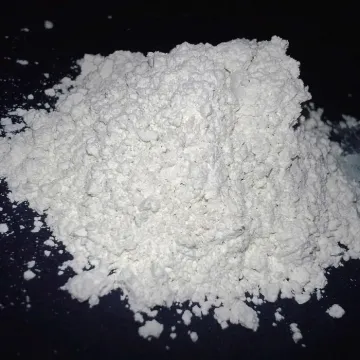
Silicon (Si) is categorized as a beneficial nutrient that plays a crucial role in enhancing the structural integrity of plants. Upon uptake by roots, it is transported to aerial organs and deposited as amorphous silica within cell walls of the epidermis.
The accumulation of silicon creates a physical barrier that strengthens tissues significantly. This not only provides mechanical support, preventing lodging in cereals, but also optimizes water management by reducing transpiration rates.
Silicon acts as a modulator of plant metabolism. It stimulates antioxidant enzyme activity, assisting the plant in effectively managing oxidative stress caused by drought, soil salinity, or extreme temperature fluctuations.
The element also enhances photosynthetic efficiency by promoting a more vertical leaf orientation. This structural adjustment allows plants to intercept more sunlight and optimize carbon metabolism, leading to higher biomass accumulation.
Finally, silicon improves phosphorus availability in the soil by displacing it within soil adsorption complexes. This makes phosphates more mobile and readily accessible to the root system, boosting overall plant nutrient status.
Silicon deposits act as a protective shield against a wide range of pathogens. Fungal infections, such as powdery mildew, rust, and fusarium, face physical challenges when trying to penetrate the dense, silicon-rich cell walls.
This physical barrier also hampers the feeding process of many pests with chewing or piercing-sucking mouthparts. For insects like caterpillars, aphids, and thrips, feeding on silicon-strengthened tissues becomes energy-intensive and often unfeasible.
Silicon application is highly effective against abiotic stressors. It mitigates the phytotoxicity of heavy metals, such as aluminum, cadmium, and lead, by sequestering them into inactive complexes within roots or tissues.
Crops that are active silicon accumulators, including rice, wheat, barley, and sugarcane, exhibit increased resilience to drought and salt stress, maintaining productivity even in adverse environmental conditions.
Silicon fertilizers are applied primarily through soil incorporation before sowing or via foliar spraying. Dosage requirements depend on the level of plant-available silicon in the soil, which should be assessed through laboratory analysis.
For field crops, optimal application rates for silicate fertilizers typically range from 100 to 300 kg per hectare of active ingredient. When using modern liquid silicon fertilizers, rates can be much lower, often between 0.5 and 2 liters per hectare.
Foliar feeding is recommended during critical growth stages, such as tillering and stem elongation in cereals. This allows the plant to rapidly strengthen its tissues before reproductive organ development.
The frequency of application varies based on crop technology. Generally, two to three treatments per season at 14–20 day intervals are sufficient to maintain a protective effect throughout the canopy.
Silicon fertilizers can often be mixed with most pesticides, making the technology economically efficient. However, a compatibility test is recommended before mixing, paying attention to the pH of the final solution.
The primary constraint is the form of silicon. Only monosilicic acid (soluble silicon) is plant-available, meaning that applications of silicate glass or sand provide no immediate agronomic benefit.
Silicon toxicity is extremely rare under standard farming conditions as plants regulate their uptake based on species-specific needs. However, excessive application of highly alkaline forms can negatively impact soil pH.
Application efficiency depends heavily on soil and climatic conditions. The greatest benefits are seen in soils with extremely low levels of available silicon, while the response is often lower in nutrient-rich loams.
Avoid mixing silicon fertilizers with strongly acidic chemicals, as this may cause silicon polymerization, resulting in a loss of biological activity and potential clogging of sprayer nozzles.
It is essential to remember that silicon does not replace macronutrients (NPK). Instead, it complements them, providing an optimal environment for the plant to achieve its full genetic yield potential.