
Why Canadian Beef Prices Are Rising: Experts Explain the Factors
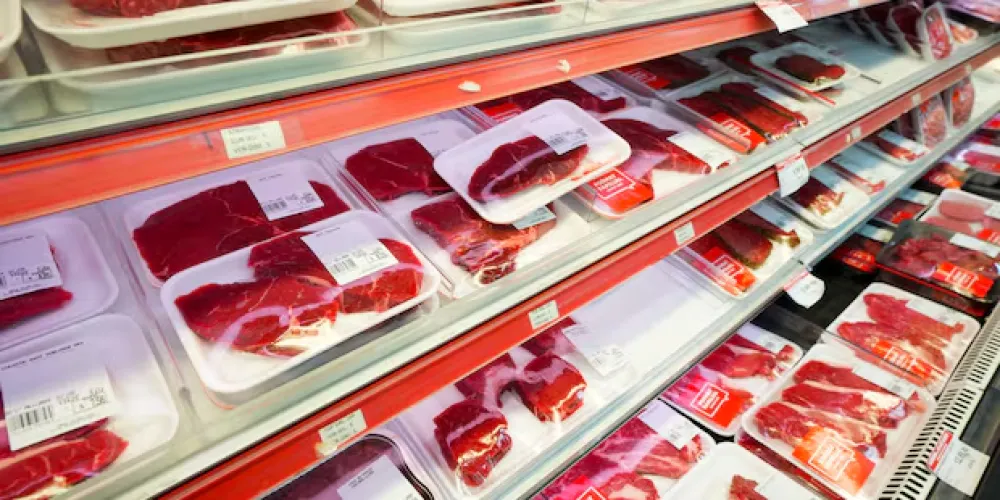
Canadian grocery shoppers have been experiencing sticker shock at the meat counter recently, as beef prices continue their upward trajectory. According to Statistics Canada, the price of fresh or frozen beef has climbed by nearly 13% since May of last year. In contrast, pork and chicken prices have seen much more modest increases of 3% and 1.8%, respectively. Meat and cattle market analyst Kevin Grier notes that the sustained growth in prices defies traditional market expectations, as experts have been anticipating a price ceiling for three years, yet the market remains bullish.
The primary driver of these high costs is the historically low supply of cattle across North America. Tyler Fulton, a Manitoba rancher and president of the Canadian Cattle Association, explains that producers are currently in a long-term 'rebuilding phase' of their herds. Because of the biological time required to raise cattle, the beef from the current rebuilding efforts will not reach consumer plates for at least three years. While there was a slight year-over-year increase in the total cattle herd reported in January 2026, the volume of available market beef remains constrained.
Simultaneously, consumer demand remains exceptionally strong. Calvin Vaags, president of True North Foods, points out that Canadian beef is internationally regarded as a high-quality product, making it desirable in markets worldwide. Buyers from other jurisdictions are often willing to pay premiums that keep prices elevated. Reports from Canada Beef indicate that demand for the product has been at its strongest since the early 1980s, fueled by a general surge in protein consumption patterns across the population.
On the ground, ranchers are struggling with significant production cost pressures. Brenda Rosadiuk, a rancher from Evansburg, Alberta, highlights that the high prices of fuel and fertilizer are major hurdles preventing herd expansion. While weather conditions for raising cattle are currently excellent across much of Canada—with drought impact limited to small areas—the economic reality of rising input costs makes it difficult for individual farmers to scale up their operations, even if they want to.
The federal government is now attempting to address these market challenges through its National Food Security Strategy. This initiative focuses on reducing interprovincial trade barriers and mitigating market concentration issues to support smaller processors. By enabling regional slaughterhouses to operate more efficiently and access broader markets, the government hopes to create a more resilient supply chain. However, industry experts caution that meaningful price relief is likely years away, as the market requires time to rebalance both the biological cattle stocks and the economic structure of the meat industry.
Not yet comments. Be the first!
Comments · 0