
Indian cumin exports drop sharply as Chinese buying slumps
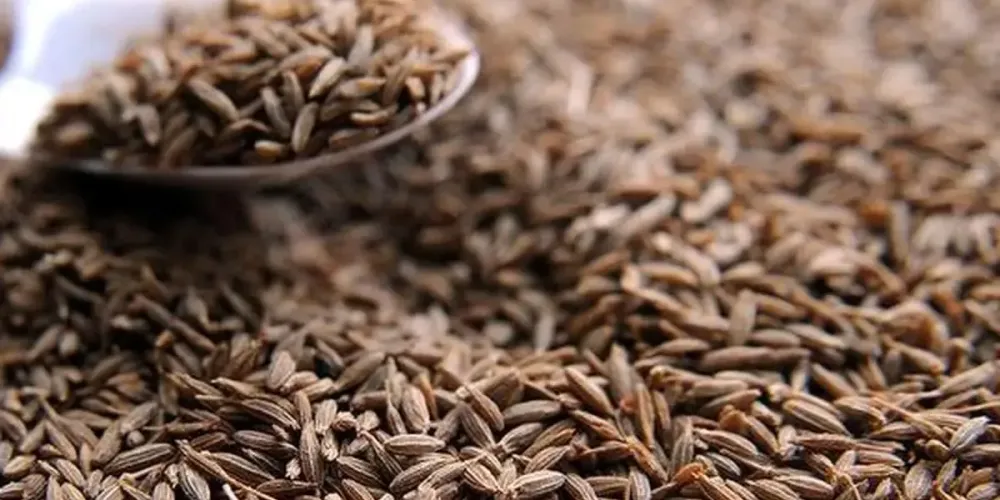
India’s cumin, or jeera, exports fell sharply in the 2025/26 financial year after buying from China weakened dramatically. The Hindu BusinessLine reported that shipment volume declined 14 per cent to 1.96 lakh tonnes from 2.29 lakh tonnes a year earlier, while export value fell 28 per cent in dollar terms to $524 million from $732.35 million.
In rupee terms, export earnings dropped 25 per cent to Rs 4,611.15 crore from Rs 6,178.86 crore. The biggest hit came from China, where export volume plunged 76 per cent to 9,271 tonnes from 38,721 tonnes. The value of those shipments dropped 80 per cent to $22.81 million from $114.51 million.
Yogesh Mehta of SpicExim said one major reason was that China harvested a strong domestic crop of around 85,000 to 90,000 tonnes last year and therefore avoided buying heavily from India. He added that shipments to West Asia and the MENA region were also affected during the year by disruption linked to the Iran-US-Israel conflict.
Other major destinations including the United States, the UAE, Bangladesh and the United Kingdom also recorded weaker buying. Turkey was the exception: shipments there rose more than fivefold to 7,529 tonnes from 967 tonnes, while export value increased to $19.61 million from $3.33 million. Traders said Turkey faced soil-fertility problems and had limited alternatives because the Syrian crop had underperformed earlier.
Market participants warn that pressure may continue into the new season. China is expected to harvest another large crop, and the Syrian crop is also seen as larger and better. Around 60 per cent of the Gujarat crop and about 45 per cent of the Rajasthan crop have already reached the market. If export weakness continues, traders say farmers may shift to other crops and India could be left with higher carryover stocks of cumin.
Not yet comments. Be the first!
Comments · 0