
UK groups press for glyphosate harvest ban as Britain reviews approval
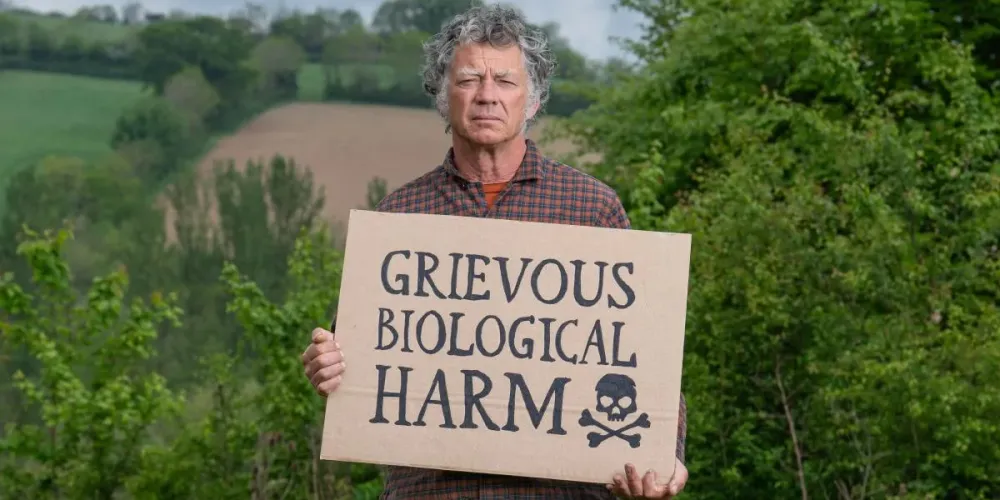
Environmental and farming groups in Britain are pressing the government to ban the use of glyphosate as a pre-harvest desiccant. The Ecologist reports that the dispute centres on spraying the herbicide on cereal and oilseed crops shortly before harvest to dry them down. Critics say the practice leaves residues in food and should be ended as part of the current UK review of glyphosate’s approval.
According to the report, the Soil Association said almost half of crop samples tested in Britain across wheat, barley and oats contained traces of the chemical. The group argues that the UK is now behind the European Union, which banned glyphosate’s use as a pre-harvest drying agent in 2023. Campaigners want London to use the present regulatory review to align with that stricter position.
Glyphosate remains approved in Great Britain until December 15, 2026. The article, citing Farmers Weekly, says the Health and Safety Executive is preparing a major public consultation before a final decision later this year. Farmers, industry bodies and companies in the Glyphosate Renewal Group, including Bayer, Syngenta and Nufarm, are expected to weigh in as they seek renewal of the active ingredient.
A coalition including the Soil Association, Nature Friendly Farming Network, Greenpeace, Riverford and The Wildlife Trusts says a ban on pre-harvest use could stop glyphosate being sprayed each year on as much as 780,000 hectares. The campaign is paired with a petition and calls for urgent support for farmers so they can shift to alternative practices without undermining farm viability. Supporters of the ban acknowledge that some growers depend on the tool, but they argue that more investment is needed in integrated pest management and other substitutes.
The government response cited in the article says glyphosate is subject to strict regulation in Great Britain and that the UK Pesticides National Action Plan supports reducing pesticide use and expanding integrated pest management. Even so, the debate has become a broader farm policy issue, not just a toxicology dispute. It now cuts across harvest logistics, food-system standards, consumer confidence and how closely the UK wants to track EU pesticide policy after Brussels already tightened rules on this practice.
Not yet comments. Be the first!
Comments · 0