
S&P says biofuels can protect US farm profitability and slow farmland decline
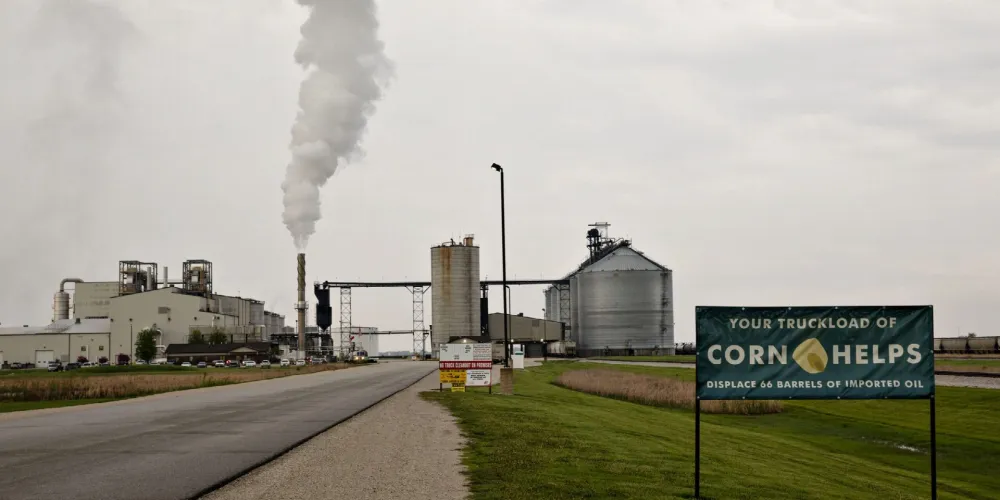
A new S&P Global Energy study argues that rising demand for biofuels could become a decisive buffer against falling farm profitability and a sharp drop in US cropland use. Insurance Journal reports that the analysis comes at a time when American agriculture is dealing with stronger yields, persistent surpluses and an unresolved policy fight over expanding the market for higher-ethanol gasoline blends.
The core problem identified in the report is that supply is growing faster than demand. Better technology is lifting crop yields and creating sustained surpluses, but consumption has not kept pace. S&P warns that without new end markets, those surpluses are likely to push prices lower, erode farm incomes, weaken rural economies and discourage long-term investment and innovation across the farm sector. In that setting, biofuel demand is framed not as a side issue, but as a central demand engine for farm output.
The study says roughly 83% of the net increase in corn demand since 2000 has been driven by ethanol expansion. That makes biofuels a structural outlet for corn and related processing rather than a temporary policy support. S&P’s argument is that stronger biofuel demand would allow agriculture to remain a reliable long-term supplier of corn, ethanol and associated products to both domestic and export markets, helping keep farmland economically productive rather than marginal.
The report lands after the United States finalized its most aggressive biofuel blending mandates so far in March. Yet conventional biofuel volumes, mainly corn ethanol, were left largely unchanged and actual blending levels still remain below those requirements. That is why supporters are again pushing year-round nationwide sales of E15 gasoline, which contains a higher share of ethanol and is widely seen by farm groups as the quickest route to stronger domestic corn demand.
Permanent E15 authorization, however, has been stalled for more than a decade because much of the oil industry argues that blending mandates raise costs for refiners. Senator Chuck Grassley said at a Tuesday event launching the report that every state could benefit from E15 expansion, but added that lawmakers are running short on time if they want movement. Politics have become even more difficult because a bill moving through Congress links E15 expansion to tighter limits on small-refinery exemptions, a combination supported by some large oil companies but strongly opposed by smaller operators.
S&P expects corn ethanol to remain the dominant biofuel pathway through 2050 because it is scalable, works with existing fuel and farm infrastructure and can be produced efficiently. Researchers behind the report also said E15 is only part of the opportunity set, with sustainable aviation fuel and maritime fuel offering additional outlets for agricultural feedstocks. In a statement tied to the report, Maryland farmer Chip Bowling of US Farmers & Ranchers in Action called biofuels not only an energy solution, but an economic engine that could reshape farming’s future.
Not yet comments. Be the first!
Comments · 0