
Bluetongue restriction zone extension a 'positive thing' for farmers, says Scottish government
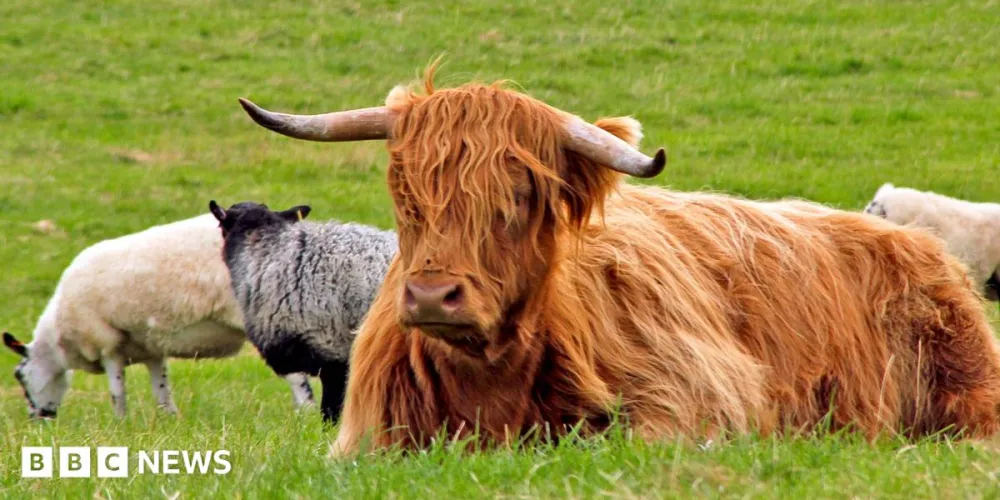
Restrictions aimed at controlling bluetongue, a virus affecting sheep, cattle, and other livestock, are now in force across the entirety of Scotland. The Scottish government stated that the extension should be viewed as a positive development that will simplify the process for farmers to bring uninfected animals to market without requiring an individual licence.
The disease, which is transmitted by insects such as midges, does not affect humans and poses no risk to food safety. Bluetongue was first detected on farms in south-west Scotland in August, and authorities have since recorded more than 100 infected animals across 41 locations, including four outside the original restriction zone. Although harmless to people, bluetongue can cause fever, swelling, lameness, birth defects, and feeding difficulties in cattle and particularly sheep, sometimes resulting in death or the need for euthanasia.
Scientists believe the virus likely spread to Scotland after infected midges were blown across the border from England, though transmission risks are now decreasing as the midge season concludes. Agriculture Minister Jim Fairlie described the extension of the restriction zone as a sensible step that would facilitate trading for the livestock industry. It means that the whole of Scotland, alongside England and Wales, is now covered by a single restriction zone, removing previous movement barriers between high- and low-risk areas since they now share the same disease status.
Fairlie told BBC Scotland News that extending restrictions is counterintuitive but ultimately positive because it grants the ability to move stock freely anywhere in the country. October is traditionally the month when Scottish farmers sell store cattle or lambs to other producers for further fattening. Authorities noted they do not wish to restrict operations given that veterinarians consider further disease transmission unlikely at this time of year.
Farmers are still required to notify authorities immediately if an animal displays symptoms. Infected livestock generally must remain on-farm for a minimum of 60 days, but the majority of healthy animals remain eligible for trade. Fairlie emphasized that vaccination continues to be the most effective protection method, urging producers to start early conversations about next year's vaccination programmes with their vets to ensure manufacturers supply adequate vaccine quantities following sudden demand spikes.
Not yet comments. Be the first!
Comments · 0