
Pollution causes drastic decline in Irish salmon and trout populations
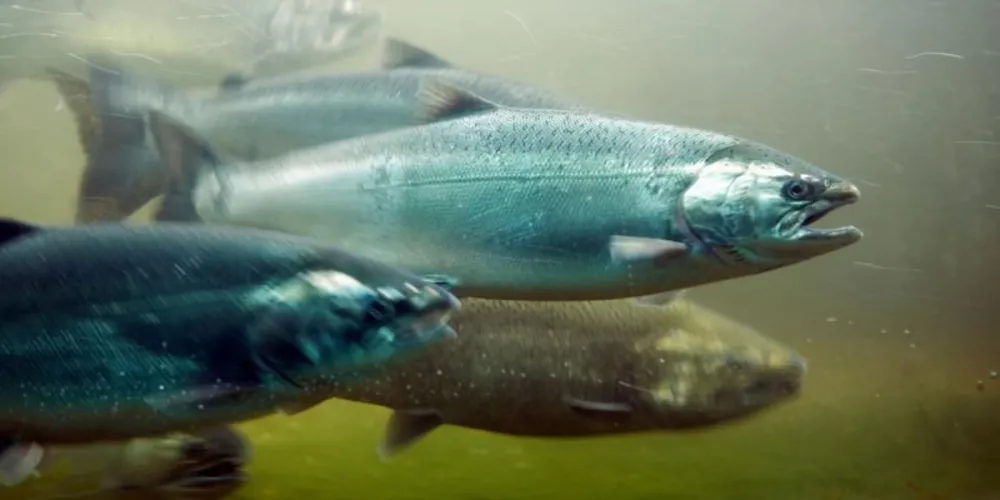
The Oireachtas Joint Committee on Fisheries is currently addressing the critical state of Ireland's freshwater ecosystems. According to the Angling Council of Ireland, the number of Atlantic salmon returning to Irish rivers has plummeted by approximately 90% since the 1970s. In the 1970s, as many as two million adult fish returned to these rivers annually; today, that figure has fallen to fewer than 150,000–250,000 fish.
The council emphasizes that salmonids act as essential indicator species. Their decline serves as a stark warning of the broader ecological deterioration occurring across Irish lakes, rivers, and estuaries. Sea trout populations have suffered similar pressures, and a concurrent decline has been recorded in aquatic invertebrates, such as mayflies and caddisflies, which provide the foundation for freshwater food webs.
The Sustainable Water Network reports that Ireland has lost 25% of its high-status water bodies over the past 15 to 16 years. Elaine McGoff, vice-chair of the network and advocacy lead for An Taisce, identifies agriculture as the primary driver behind these declines. She specifically points to acute nitrogen pollution in the south and southeast of Ireland, alongside phosphorus contamination stemming from urban wastewater.
McGoff is highly critical of the long-standing exemptions from the nitrates directive, which have persisted for over 30 years. She argues that there are no evidence-based measures to mitigate nitrogen pollution, as nitrate runoff bypasses physical riparian buffers by draining directly through the soil. This issue is exacerbated by poor regulatory compliance; the Environmental Protection Agency (EPA) reported a 43% noncompliance rate with “good agricultural practice” regulations last year.
The committee also heard reports regarding infrastructure failings, noting that Uisce Éireann has failed to meet licensing standards for 59% of its active wastewater discharge permits. Experts warn that frequent fish kill incidents remain a severe indicator of failing water quality, driven by the combination of inadequate agricultural runoff management and poorly treated urban wastewater.
Not yet comments. Be the first!
Comments · 0