
Australian lamb prices hit A$500 a head as the flock shrinks
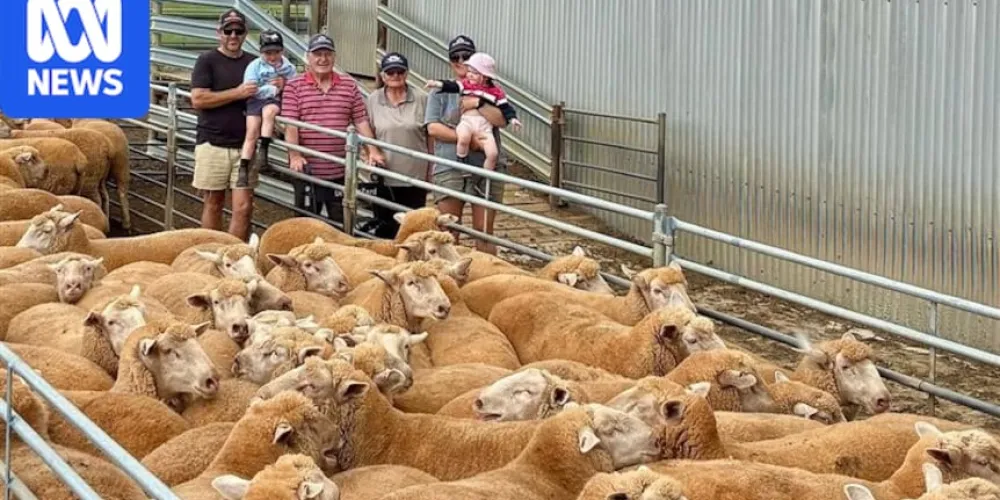
Australia’s sheep and lamb market is continuing to rally despite global uncertainty and higher fuel costs. ABC News reports that the Dean family from Tourello in Victoria sold a pen of heavy lambs at Ballarat this week for a record A$500 each, underscoring how aggressively the market has moved in recent months.
For producers, the record sale is not just symbolic. Darren Dean said the proceeds would go back into paying for fertiliser, diesel and general running costs. That makes the price surge significant beyond the headline figure, because it shows how livestock returns are helping some farms absorb rising input costs that have been squeezing margins across agriculture.
Meat and Livestock Australia senior market analyst Stephen Bignell said the market is being driven by strong demand and low supply. Heavy and trade lamb indicators are rising because those animals feed both the domestic market and export demand from the United States and North Asia. By contrast, the light lamb segment, which is more exposed to the Middle East air-freight trade, weakened during the week because of disruption linked to the conflict.
MLA’s latest sheep projections show Australia’s national flock is shrinking and is expected to reach a record low of 64.6 million head in 2028. At the same time, the restocker lamb indicator has been at record highs this month and is more than A$5 a kilogram ahead of the same period last year. Market reporting cited by ABC says lamb numbers in eastern-state saleyards are about 10% lower than a year ago.
The market is now debating how high prices can go before processors and buyers resist. In its projection, MLA asked three analysts where the national trade lamb indicator could be by June 30, and the answers ranged from 1,075 cents a kilogram to 1,212 cents a kilogram, which would set a fresh record. Those numbers show that expectations remain elevated even after the latest rally.
The pressure is already visible at retail level. ABC cited lamb cutlets selling for more than A$50 a kilogram at a major supermarket in Darwin. That means the current price cycle is doing two things at once: lifting returns for some producers while intensifying concerns about consumer resistance and the long-term affordability of lamb as the national flock continues to contract.
Not yet comments. Be the first!
Comments · 0