
Province to push ahead with vet service cuts, with small extension for equine care
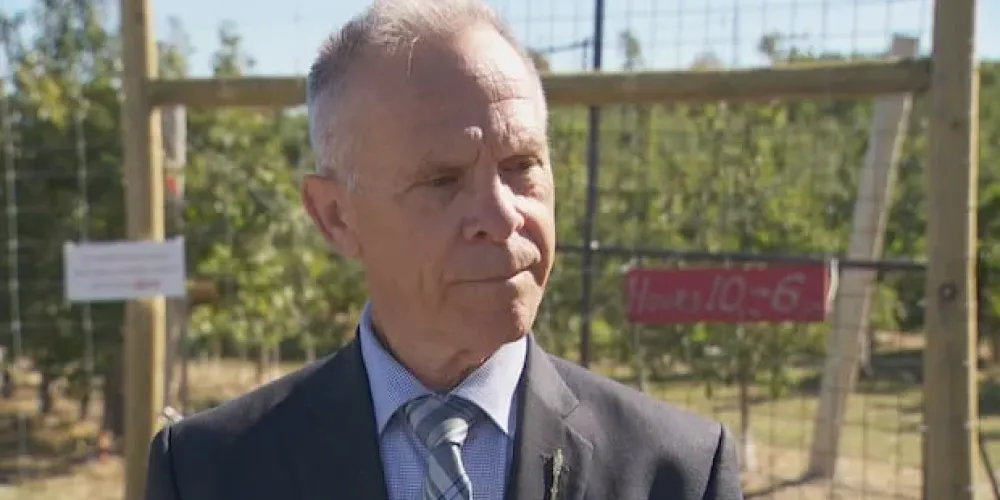
New Brunswick has agreed to extend veterinary services for equine care until March 31, 2027, but the province is still moving ahead with a wider restructuring of agricultural veterinary and laboratory support. CBC says the decision followed a Friday meeting involving the Agricultural Alliance of New Brunswick, Agriculture Minister Pat Finnigan and Premier Susan Holt.
The original cuts were announced in the March budget, where the province cited a 1.4-billion-dollar deficit. Two weeks before the latest meeting, Natural Resources Minister John Herron had said publicly that the changes could potentially be delayed or shelved because 4 million dollars in savings might create too much disruption for the sector.
Under the new understanding, equine services will now remain in place at least until March 31, 2027, bringing them into line with the current timeline for livestock services. The government has also committed to monthly meetings with the Agricultural Alliance of New Brunswick to work on a longer-term model for veterinary and laboratory service delivery across the province.
The larger reform, however, is still on track. Premier Susan Holt said the province’s Research and Productivity Council is studying how laboratory services could be transitioned to an organisation that is better positioned to operate them. The province has already said it intends to move those services to the private sector on or before March 31, 2028.
Farm groups say the concession is not enough. They have opposed the phase-out plan since budget day and have already staged public protests. Alliance president Danielle Connell said the loss of veterinary and laboratory support would have direct consequences for farmers, not only in day-to-day operations but also in their ability to meet legal and animal-care obligations.
Connell said that without access to veterinary and laboratory services, farms cannot meet their legal responsibilities, cannot protect their animals and cannot operate properly. That means the immediate extension for equine care eases one pressure point, but the central issue remains unresolved for producers who depend on a stable public support system for livestock health, diagnostics and compliance.
Not yet comments. Be the first!
Comments · 0