
Paraguay Completes Ratification of the Mercosur-EU Trade Deal
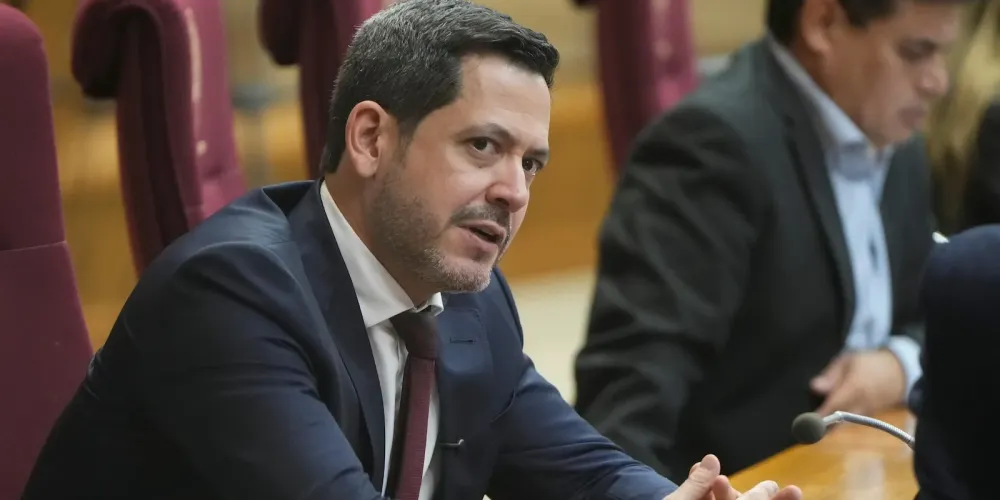
Paraguay has completed the South American ratification track of the Mercosur-European Union free-trade agreement, becoming the final founding Mercosur country to approve the pact. The vote in Asuncion gives new momentum to a deal that directly matters for agri-food flows, farm competitiveness, and long-term market access conditions between the two blocs.
According to the Associated Press report carried by ABC News, Paraguay’s Chamber of Deputies approved the treaty unanimously with 58 lawmakers present. The Senate had already endorsed it nearly two weeks earlier. The agreement now awaits the signature of President Santiago Pena, meaning Paraguay’s domestic approval process is at its final political stage.
The treaty was negotiated over roughly a quarter century and links economies with more than 700 million people, representing about 25% of global GDP. Before Paraguay, Uruguay, Argentina, and Brazil had already ratified it. Bolivia, Mercosur’s newest member, did not participate in the original negotiations but is expected to have a path to join the framework in the coming years.
On the EU side, the process is more complex. The European Commission has indicated it can proceed with provisional ratification, which could allow implementation steps while a legal challenge from European lawmakers is reviewed by the European Court of Justice. The European Parliament is expected to vote again once the court process confirms compatibility with EU treaties.
Agriculture remains one of the most contested elements. France, left-wing political groups, and farmers’ unions have argued that the agreement could destabilize parts of the European agricultural sector. That opposition highlights the core policy tension in the deal: expanding trade opportunities while managing farm-level adjustment risks in sensitive commodity chains.
Supporters frame the accord as a strategic response to global fragmentation and shifting economic alliances. AP’s reporting notes that European Commission President Ursula von der Leyen and Brazilian President Luiz Inacio Lula da Silva were among key political drivers. If the EU legal and parliamentary steps are completed, the Mercosur-EU deal is set to become a major institutional platform shaping agri-trade relations for years.
Not yet comments. Be the first!
Comments · 0