
Elders to move Western Australian wool handling to Melbourne from July 2027
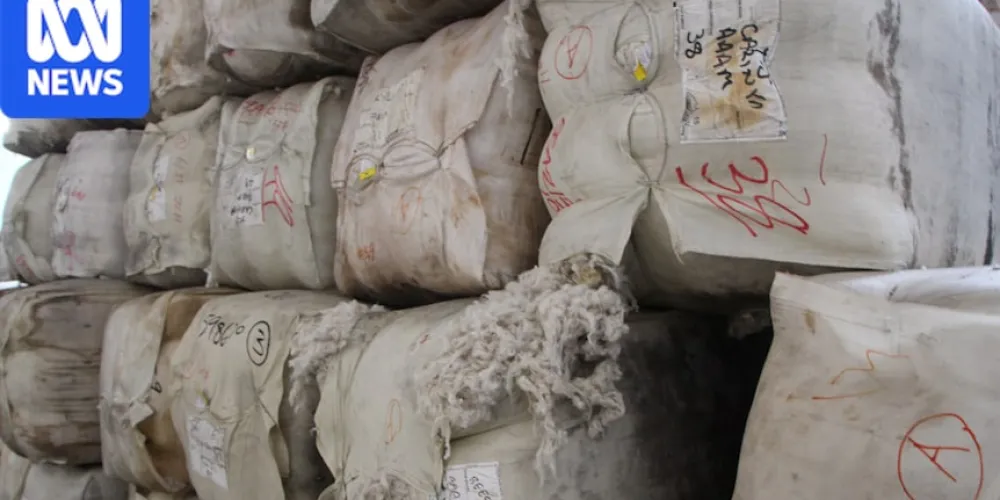
Elders has announced that from July 2027 all Western Australian wool will be handled and sold through its Ravenhall facility in Melbourne. ABC reported that the move effectively ends the company's long-running role in the local wool selling structure in Western Australia after more than 100 years in the trade. In a letter to clients, Elders said the shift is intended to improve buyer competition, increase speed to market and support longer-term business sustainability.
The company argues that the production base in Western Australia has weakened sharply. Elders says wool output in the state has fallen by nearly 40 percent in recent years. General manager of operations Dave Adamson also linked the decision to the federal government's move to end the live sheep trade by sea, saying that policy change had materially affected how farms in the state operate and how important wool remains within their business mix.
Not everyone in the sector agrees with the strategy. Westcoast Wool and Livestock owner Brad Faithfull said a viable western wool selling centre still exists and warned that withdrawals by large brokers could put the future of that centre at risk. Sheep farmer Greg Marsh voiced a similar concern, questioning whether other wool companies might now follow Elders east. For growers, the issue is not only the destination of the wool but also the long-term viability of a local market structure.
Elders says the Melbourne model should still work for producers. The company points to Ravenhall as a 24-hour processing facility that opened in 2024 after a 25 million dollar investment. Adamson said the site has enough capacity to handle all Western Australian wool and that the shift would not impose extra selling or freight costs on growers. He added that wool would still be received at Rockingham and that regional depots are also being considered.
Industry data shows why the company sees the change as unavoidable. Australian Wool Innovations figures for 2025 put Western Australia's wool flock at 10.1 million head, down from earlier levels. Elders says Rockingham will continue to operate under the current model until July 2027 and could then become a general warehouse if that proves workable. The company also plans to give Western Australian clips a dedicated catalogue and a clearly marked section on the Ravenhall show floor so buyers can identify them easily.
The move is therefore bigger than a simple logistics change. It shows how lower flock numbers and policy shifts are beginning to alter not only on-farm production choices but also the market infrastructure built around the wool sector. For Western Australian growers, the coming year will be about testing whether access to a larger eastern selling centre really improves competition and price discovery enough to offset the symbolic and practical loss of a more local marketing base.
Not yet comments. Be the first!
Comments · 0