
NSW poultry industry faces nervous wait after suspected H5 bird flu case
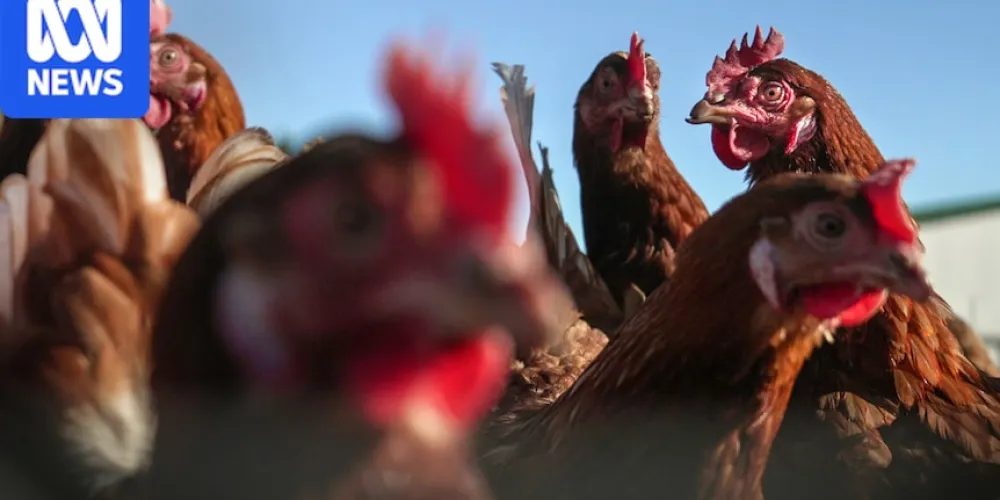
The poultry industry in New South Wales (NSW) is facing a period of intense uncertainty following the identification of a suspected H5 avian influenza case. The virus was detected near Hawks Nest on the Mid North Coast. Samples collected from a giant petrel have been sent to the CSIRO to confirm if it is the highly pathogenic H5 strain. Australia had remained the last continent free from this strain until recent detections in Western and South Australia.
The situation has caused widespread concern, as NSW accounts for over a third of the nation’s total egg and chicken production. Australian Eggs managing director, Rowan McMonnies, stated that the industry remains "both optimistic and realistic." He noted that current indicators are positive, with detections limited to migratory seabirds and no evidence of the virus in resident wildlife or commercial flocks. However, industry experts caution that several weeks of surveillance are required before confidence can grow.
Farmers like David Mason, who runs a poultry operation in Bowraville with around 1,000 birds, are preparing for the worst. Mason believes it is only a matter of time before the virus impacts commercial operations. As a precaution, he has decided to sell his ducks and geese, which are kept on free-range, to protect his barn-housed poultry. He emphasized that an infection would lead to the culling of his entire flock, effectively ending his business operations.
NSW Agriculture Minister Tara Moriarty has urged producers not to panic. She confirmed that there is currently no evidence of spread within the commercial poultry sector or large-scale deaths in local wildlife. The Department of Primary Industries and Regional Development (DPIRD) has established an incident response team in Orange. Deputy chief veterinary officer Rhys Powell reported that they are handling roughly 100 calls per day regarding sick birds, ensuring that comprehensive surveillance and response plans are in place.
Veterinarian Tiffany Sullivan from the Coffs Coast Wildlife Sanctuary highlighted the extreme risk, noting that the H5 strain could easily wipe out entire species. Consequently, the sanctuary has stopped accepting migratory seabirds to prevent potential exposure. As the industry awaits further laboratory results, the focus remains on strict biosecurity measures. Authorities are continuing their monitoring efforts, hoping that this initial detection remains isolated and that the commercial poultry sector stays protected from a major outbreak.
Not yet comments. Be the first!
Comments · 0